


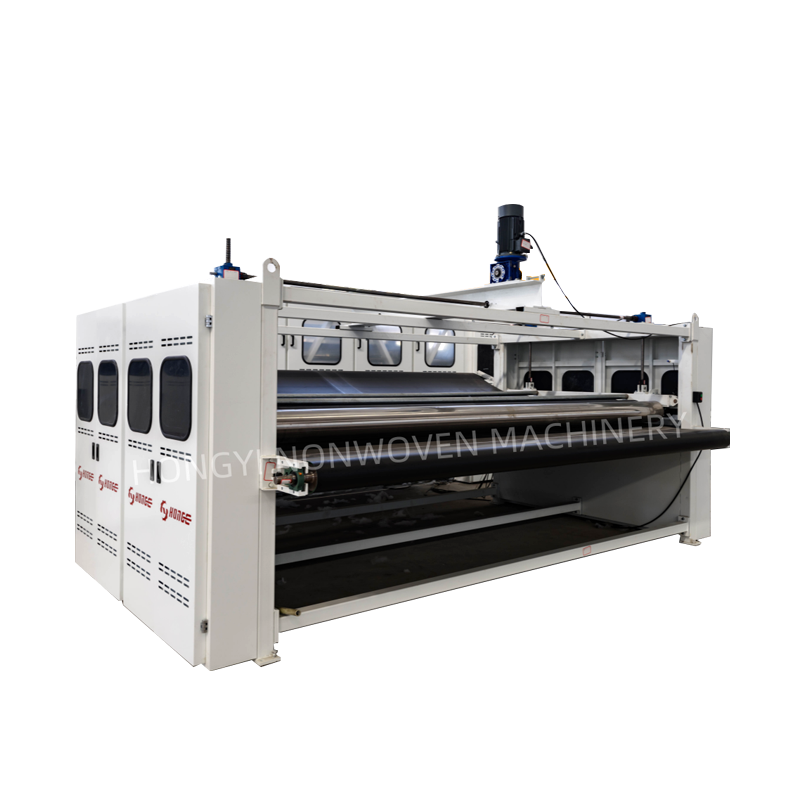
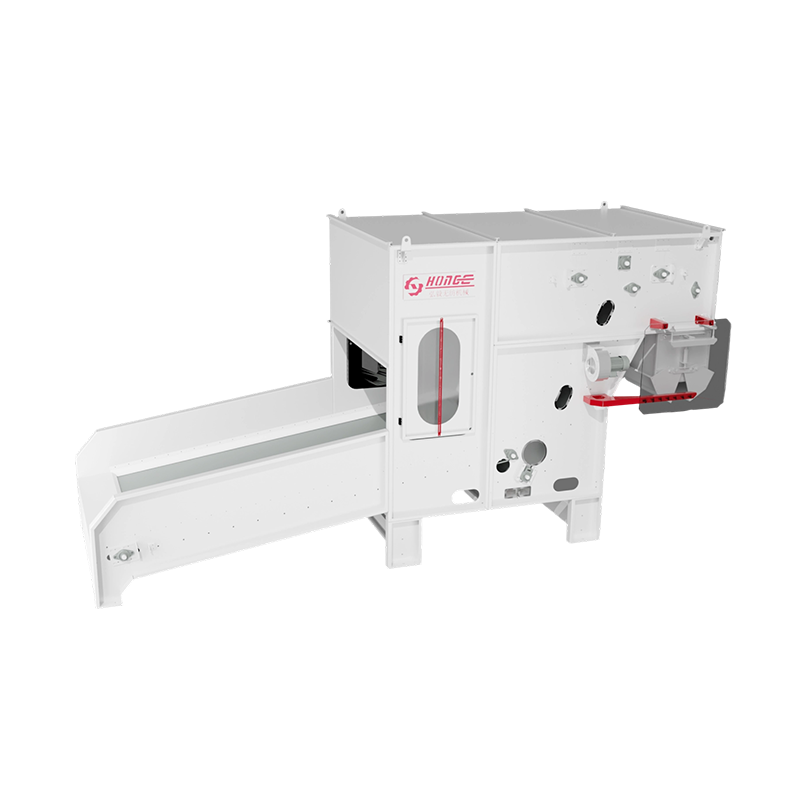
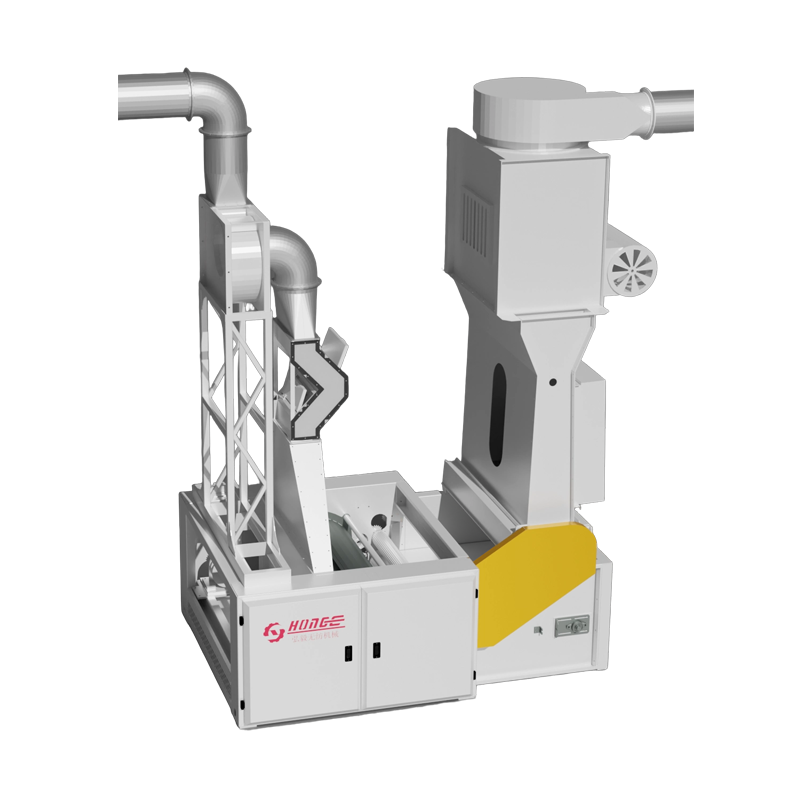
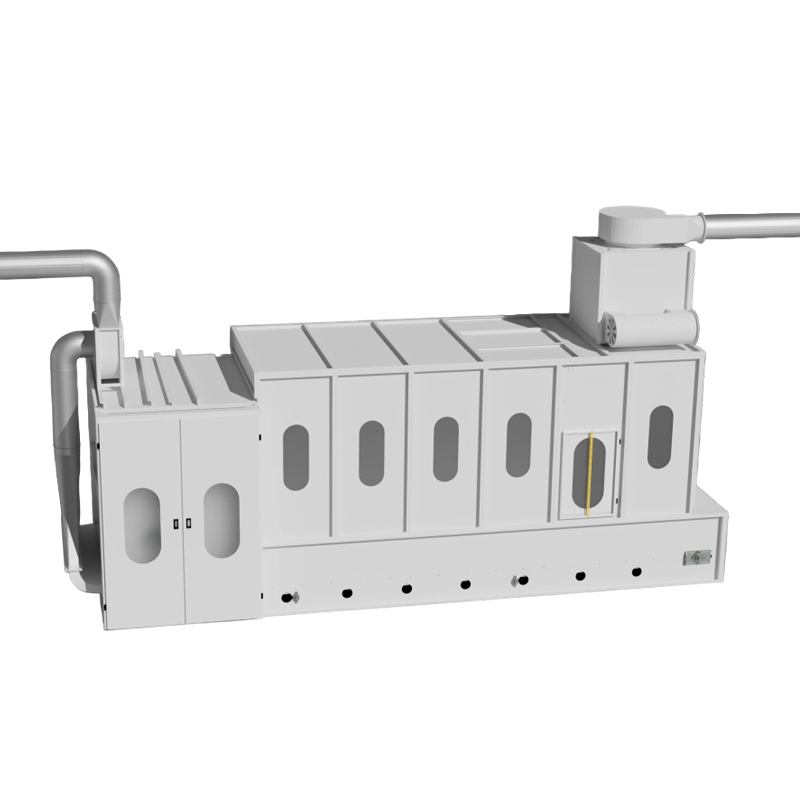
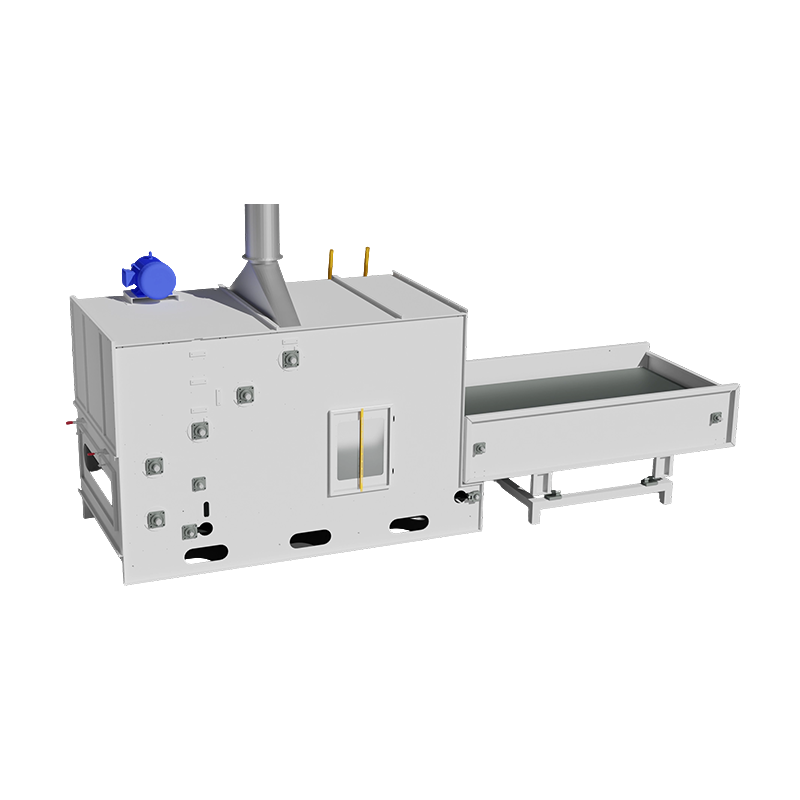
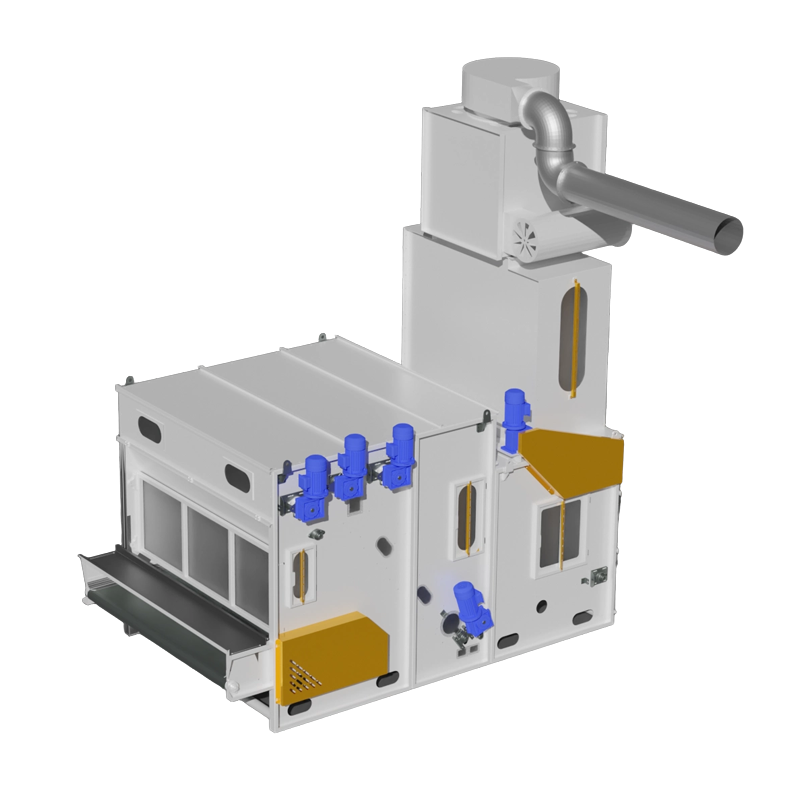
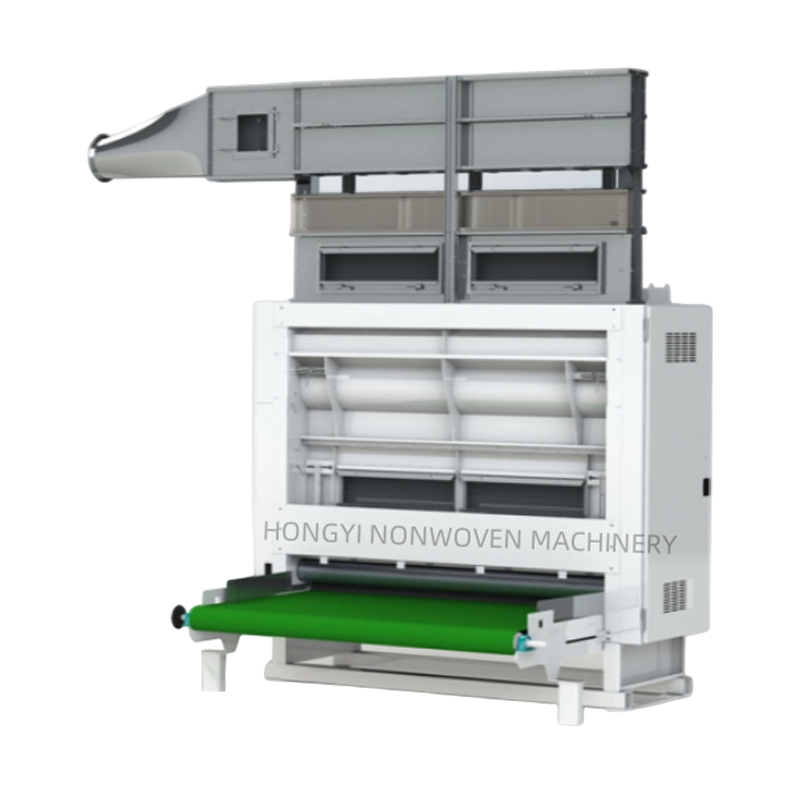
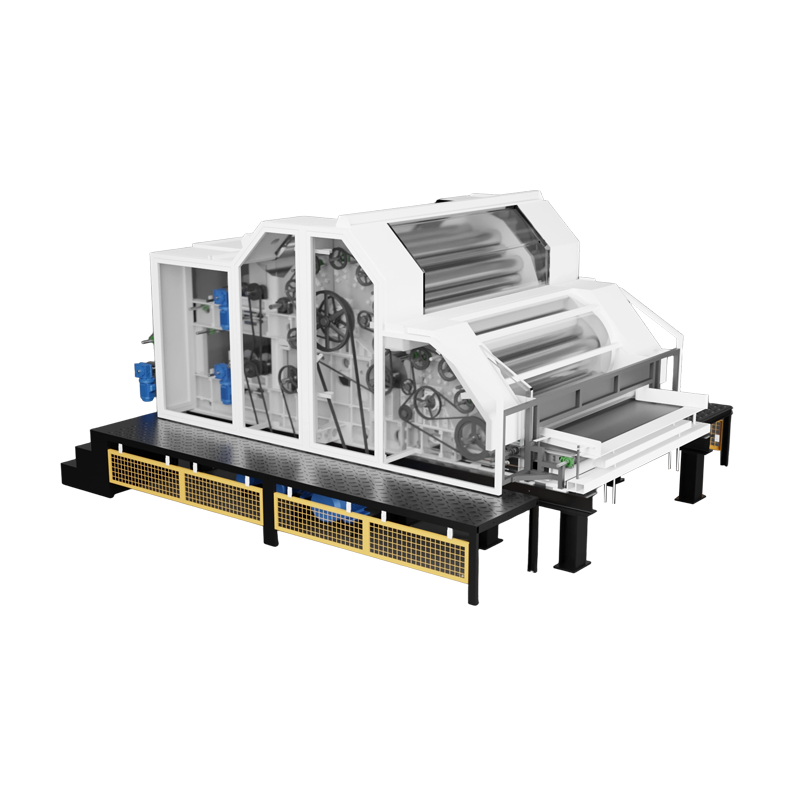
These assist equipments are common in the configuration of nonwoven fabric production lines, and they serve different purposes. Customers can choose to configure them according to their own needs.
Assistant Equipment for Nonwoven Fabric Production Manufacturer
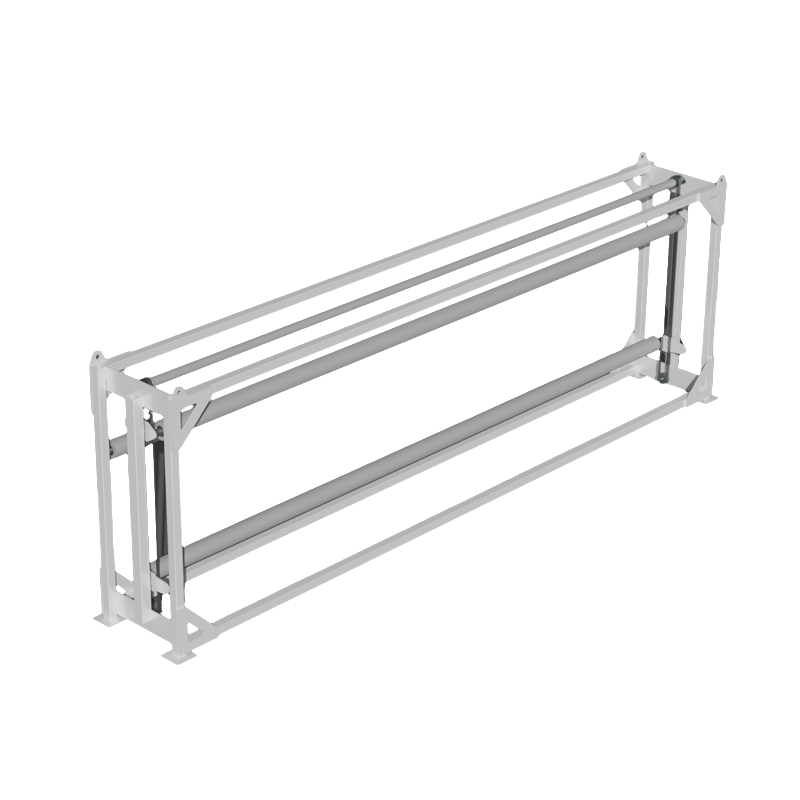
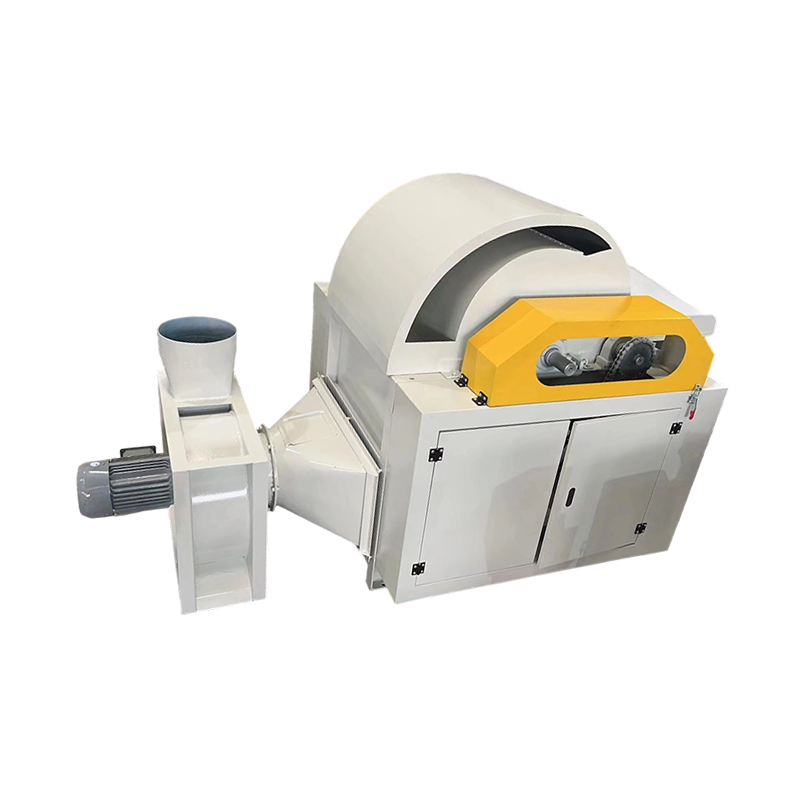
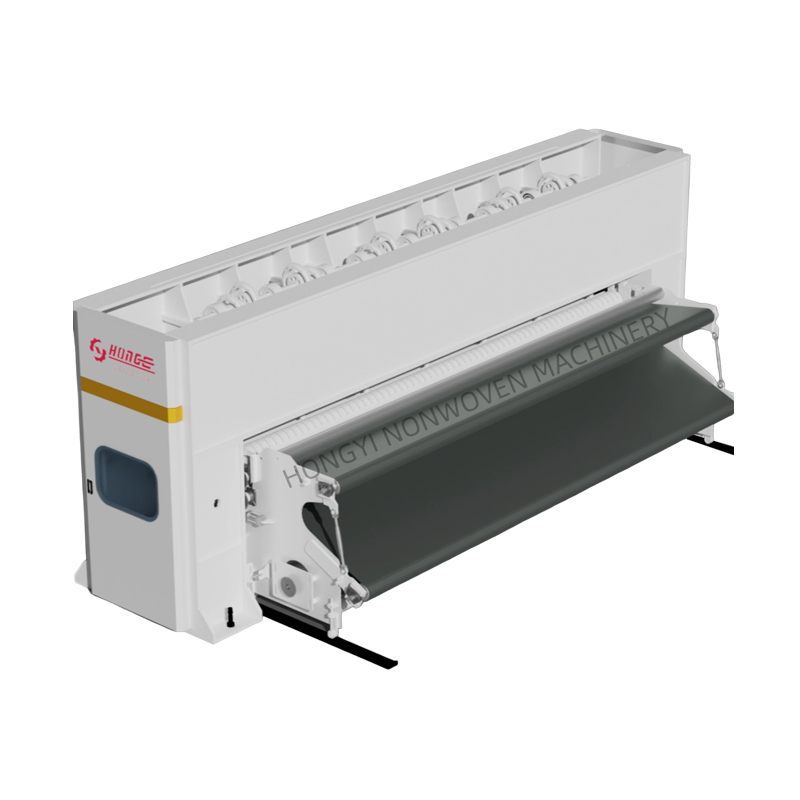
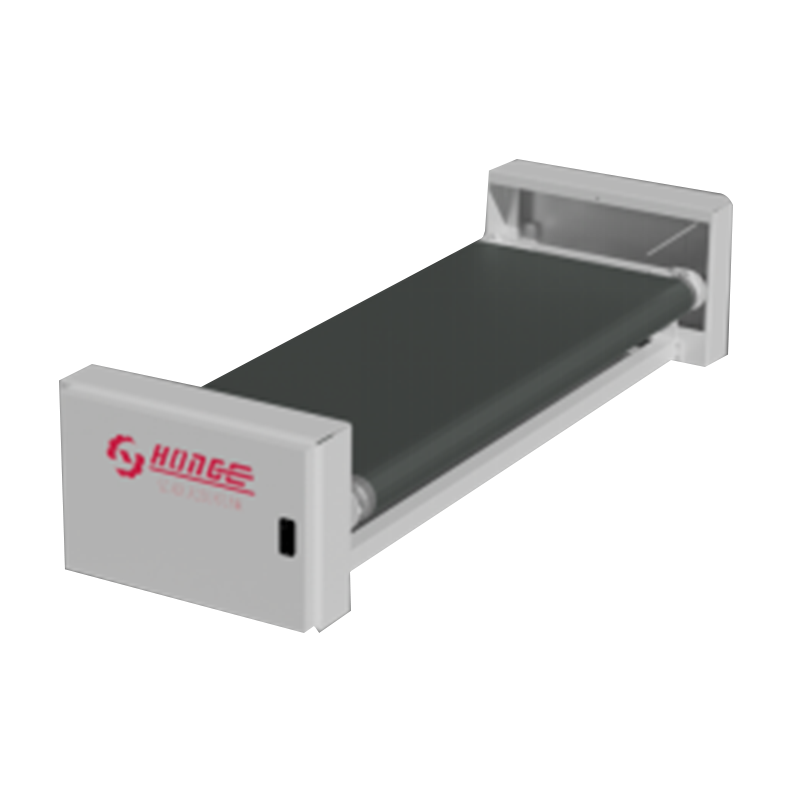
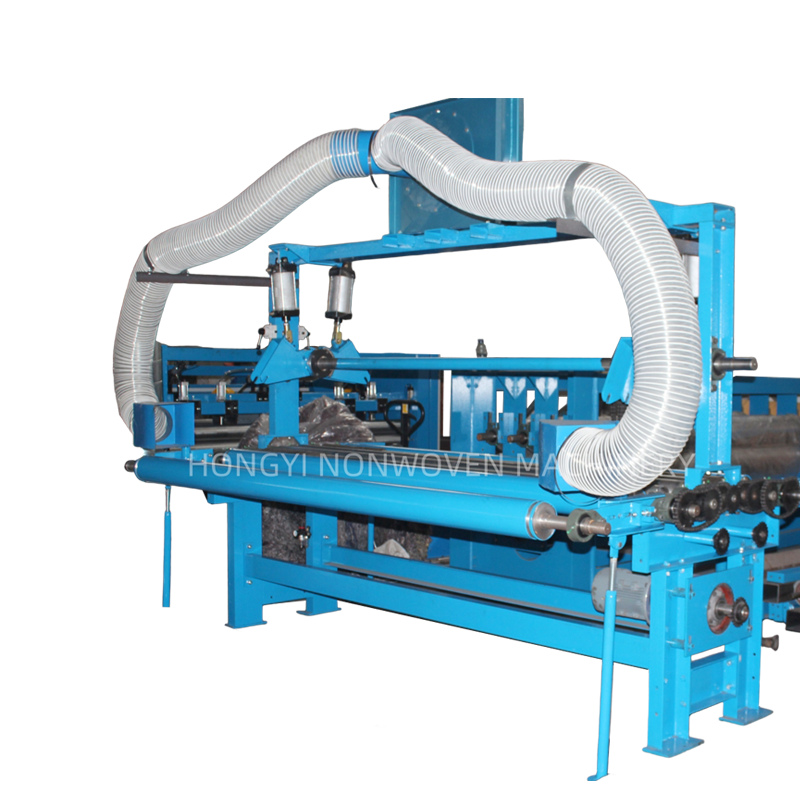
These assist equipments are common in the configuration of nonwoven fabric production lines, and they serve different purposes. Customers can choose to configure them according to their own needs.
Guarantee High Quality With Our Expertise
We are Changshu Hongyi Nonwoven Machinery Co., Ltd., a China Assistant Equipment for Nonwoven Fabric Production Manufacturer and
Custom Assistant Equipment for Nonwoven Fabric Production Factory, with more than 20 years of experience in the nonwoven machinery field in CHINA.
 factory show
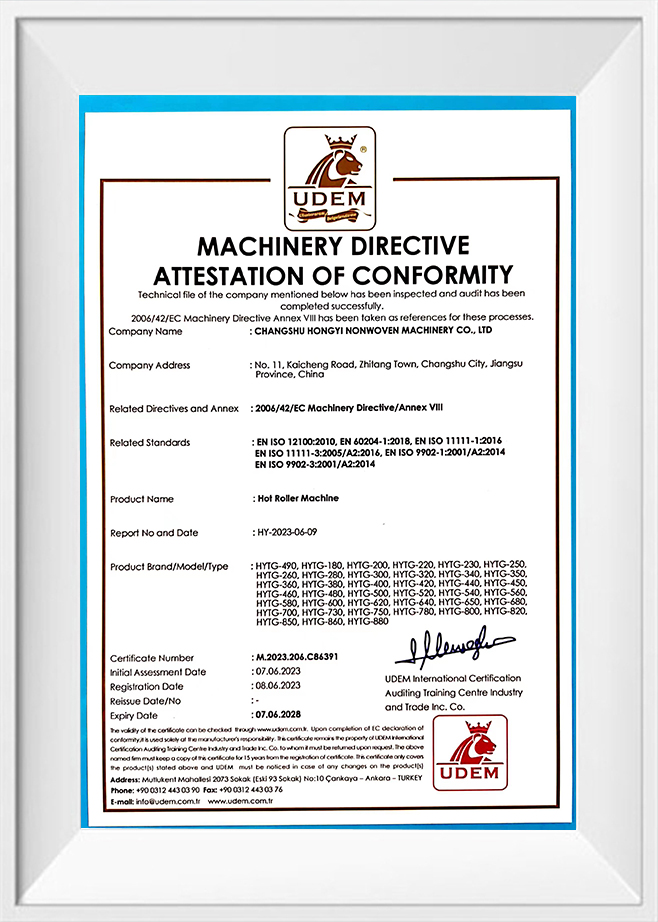
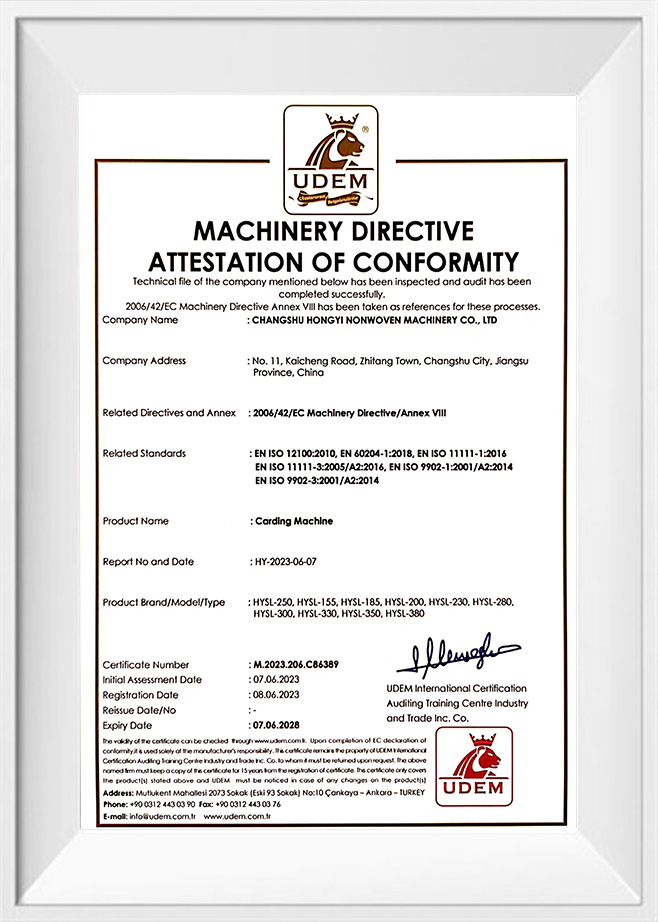
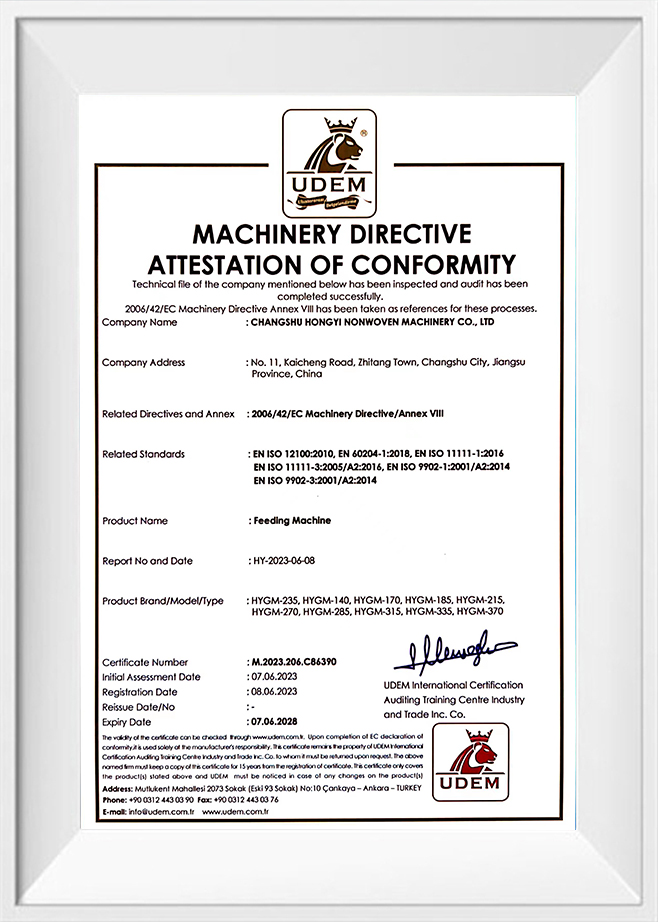
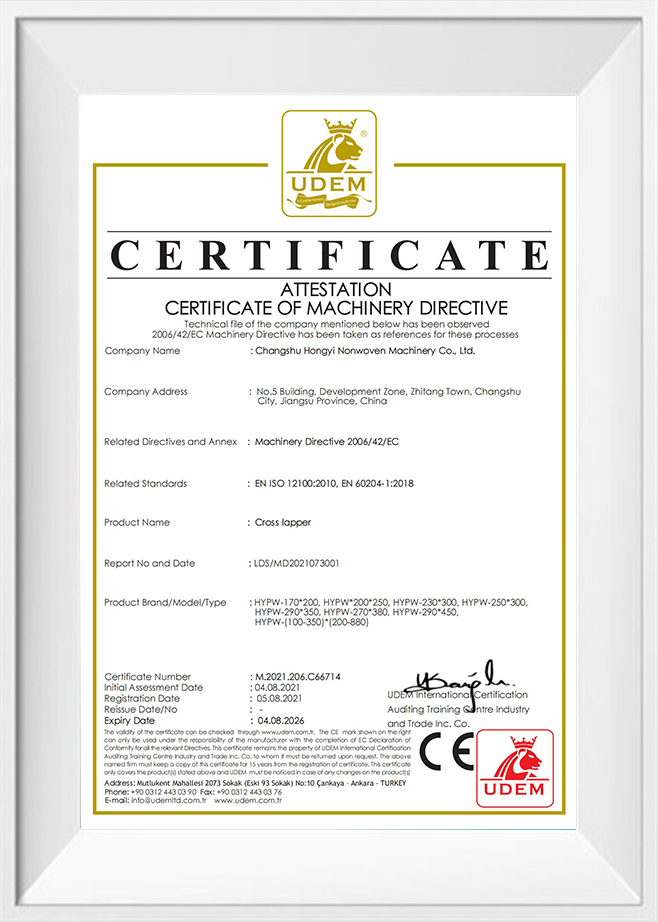
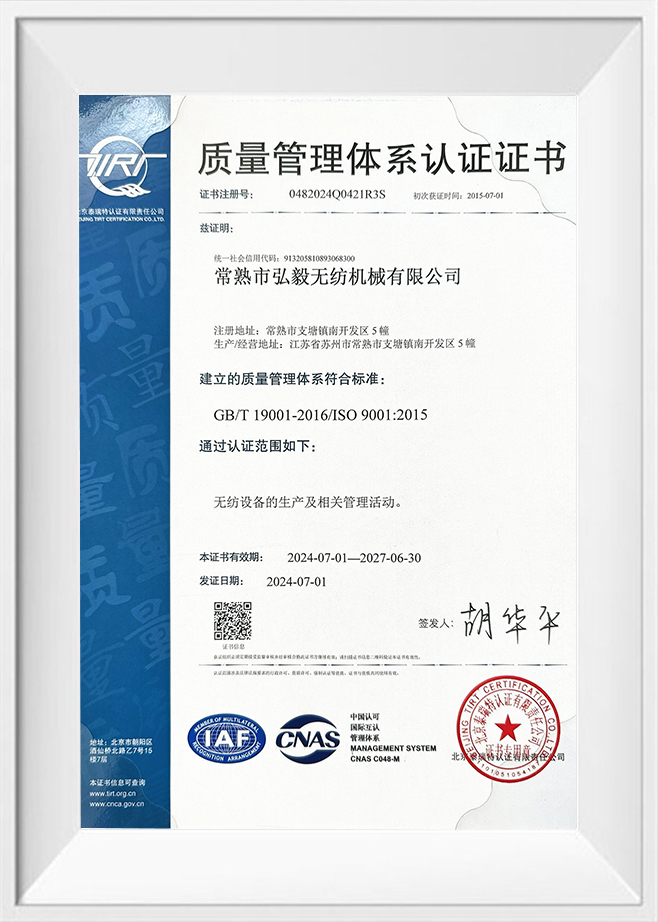
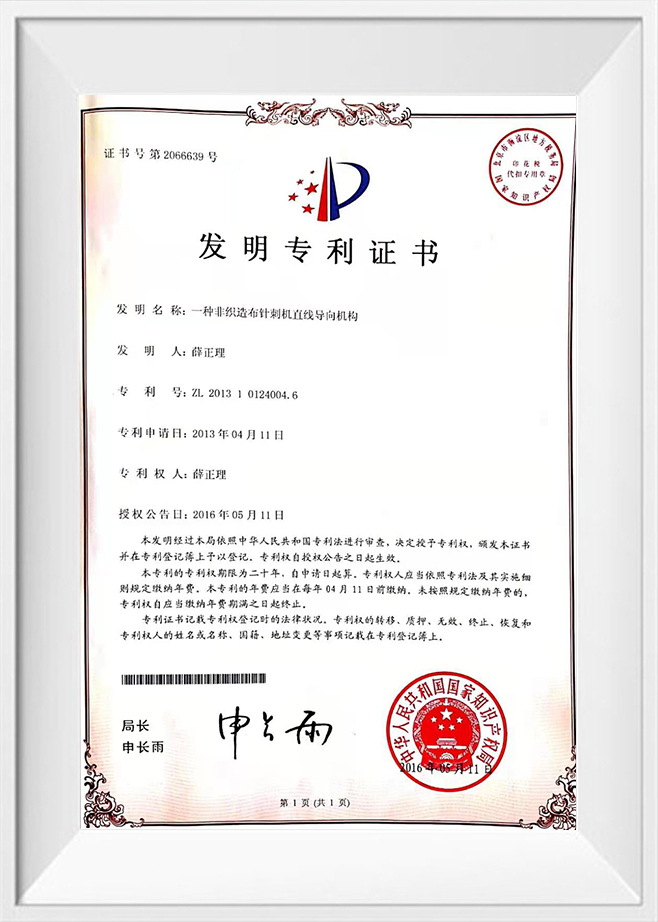
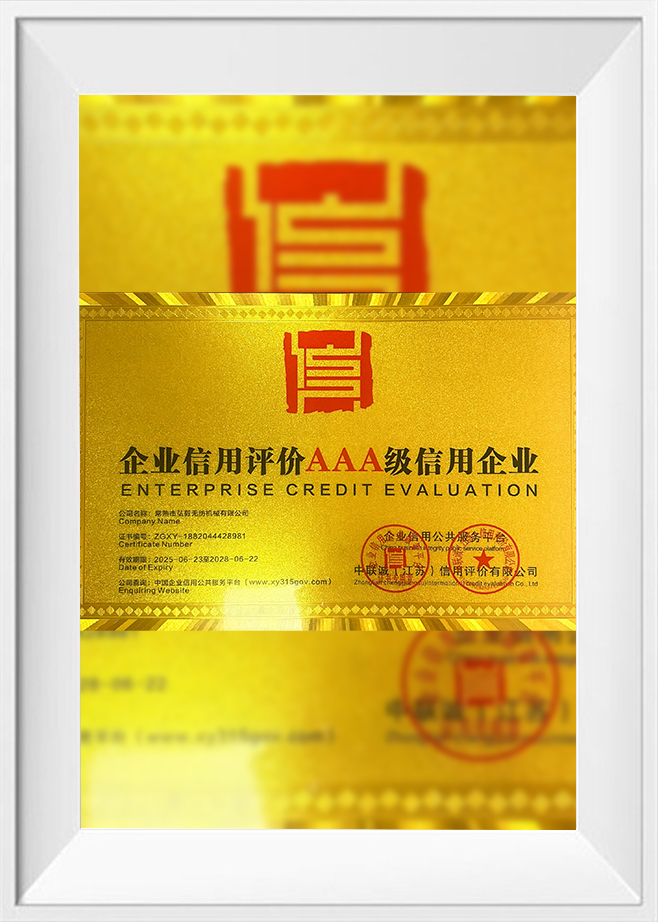
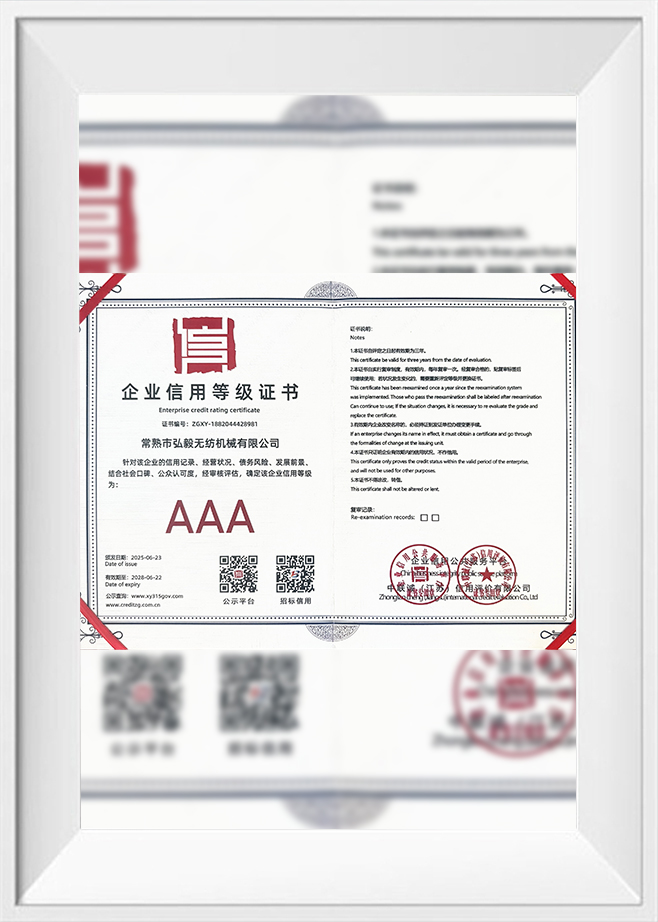
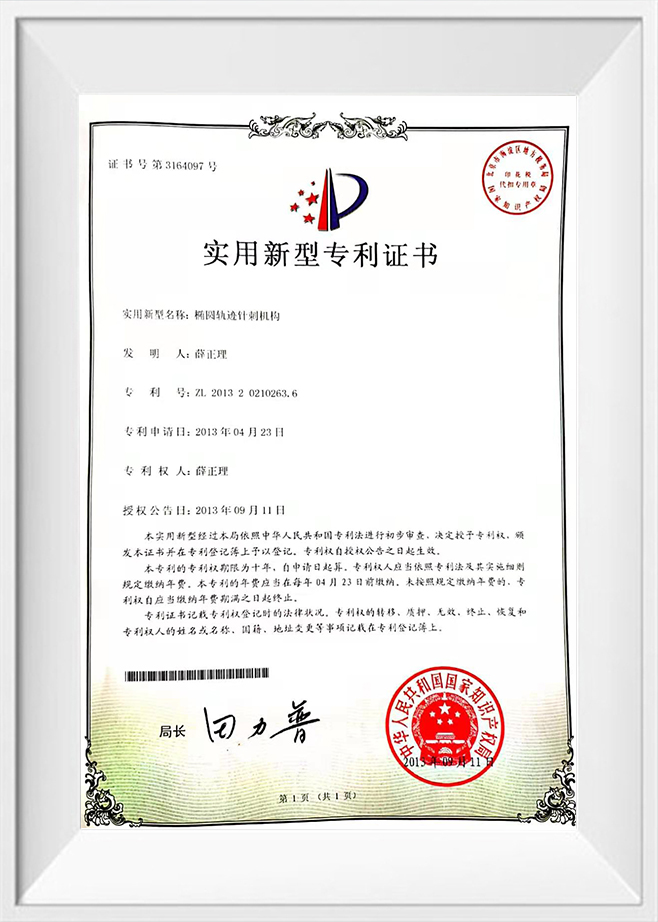
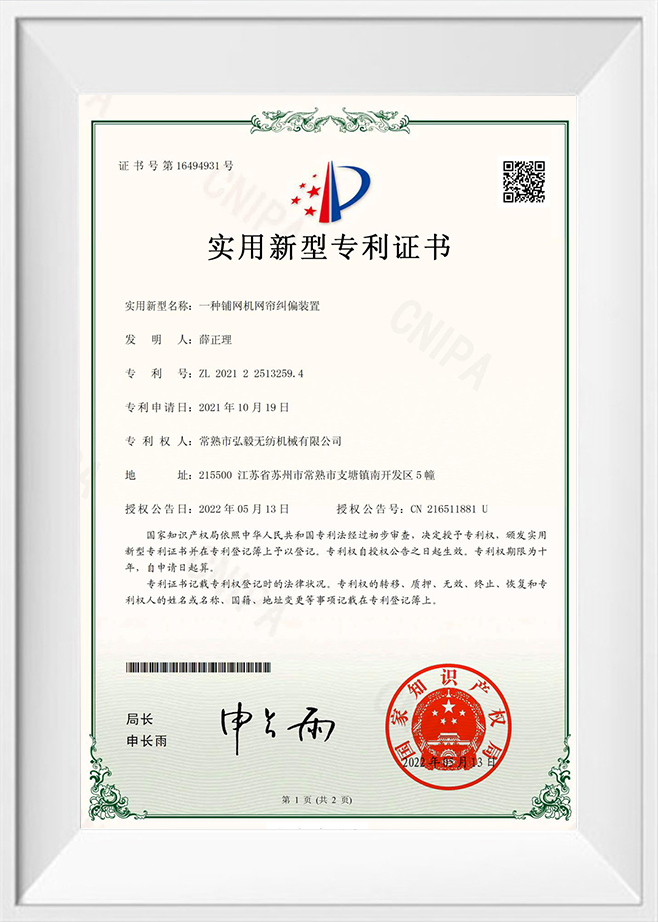
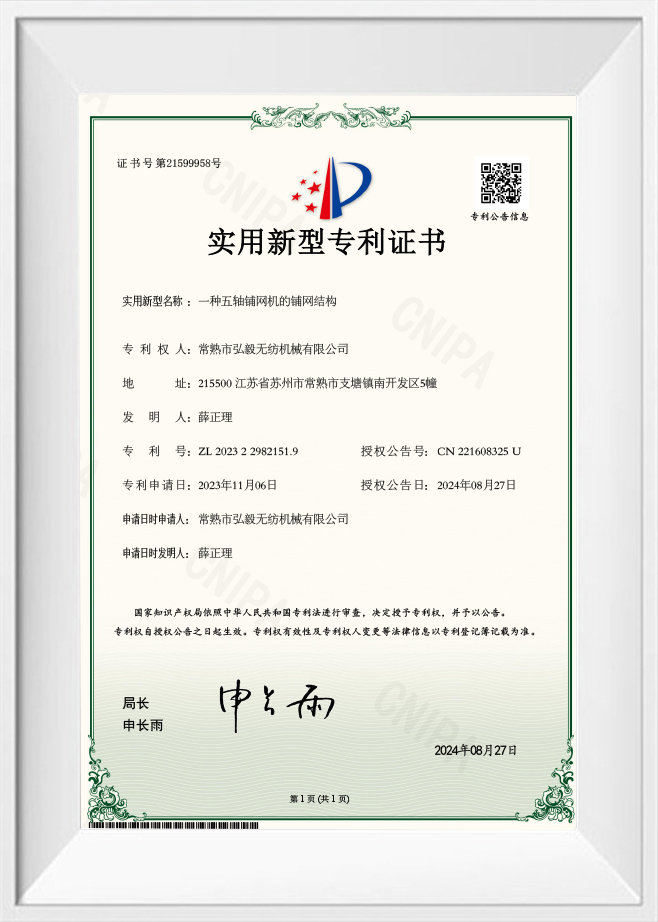
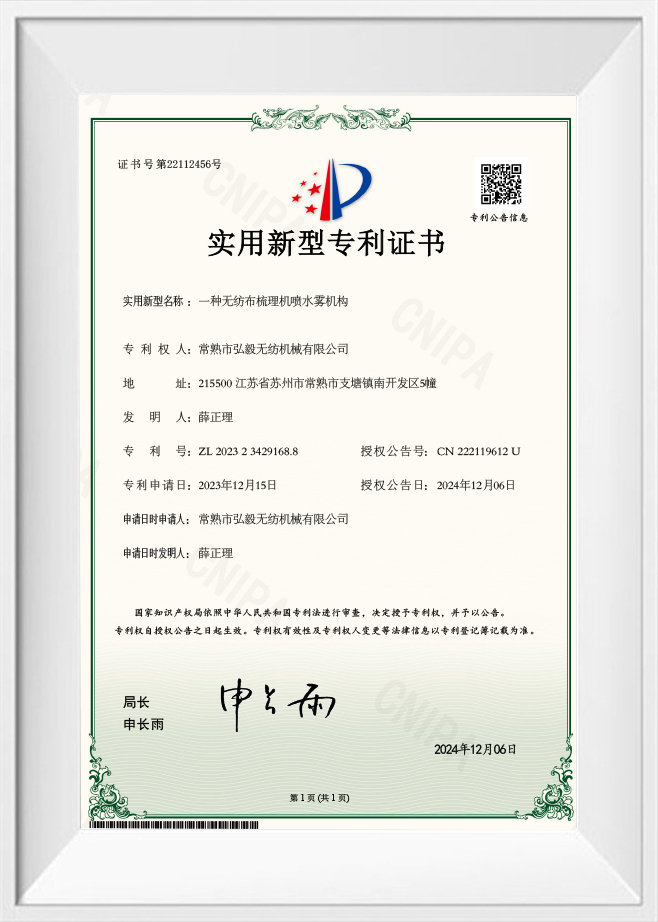
  Our Certifications
 Certificate Of Honor


Assistant Equipment For Nonwoven Fabric Production Industry knowledge
Assistant Equipment For Nonwoven Fabric Production serves as the critical functional infrastructure required to stabilize, refine, and optimize the output of primary nonwoven manufacturing lines. These auxiliary systems are designed to bridge the gap between raw fiber processing and finished product standardization, focusing on core functions such as surface finishing, thermal regulation, and precise material handling. By integrating high-performance Assistant Equipment For Nonwoven Fabric Production, manufacturers can ensure consistency in fabric density, tensile strength, and surface smoothness. Assistant Equipment For Nonwoven Fabric Production provided by Changshu Hongyi Nonwoven Machinery Co., Ltd. is engineered to enhance operational reliability across diverse industrial applications, including geotextiles, automotive interiors, and filtration media, through automated control and energy-efficient thermal management.
Core Assistant Equipment: Principles and Applications
1. Ironing and Calendering Machines
Operating Principle: These machines utilize heated rollers—often chrome-plated or Teflon-coated—to apply controlled pressure and temperature to the nonwoven web. As the fabric passes through the "nip" point of the rollers, the surface fibers are flattened or fused, resulting in a specific thickness and enhanced luster.
Application Case: In the production of needle punched cleaning cloths, ironing machines are used to eliminate surface fuzzing, ensuring the cloth remains lint-free and durable during industrial wiping tasks.
2. Thermal Bonding Wadding Ovens
Operating Principle: The oven employs a high-velocity air circulation system (top-down or through-air) to melt low-melt fibers within the web. This process creates physical bonds at the fiber intersection points without the need for chemical adhesives, forming a stable three-dimensional structure.
Application Case: Widely used in automotive interior materials production to create lightweight, sound-insulating pads that must maintain structural integrity under varying cabin temperatures.
Detailed Equipment Comparison
Choosing the right auxiliary system depends on the specific physical properties required by the end product. Below is a technical comparison of standard units provided by Changshu Hongyi Nonwoven Machinery Co., Ltd.
| Equipment Type | Primary Function | Heating Method | Key Metric |
|---|---|---|---|
| Ironing Machine | Surface smoothing & thickness control | Oil/Electric rollers | Surface gloss |
| Thermal Bonding Oven | Internal fiber structural bonding | Gas/Oil/Steam air | Tensile strength |
| Slitting & Winding Unit | Edge trimming & packaging | Mechanical/Ultrasonic | Cutting precision |
Advanced Features and Maintenance
At Changshu Hongyi Nonwoven Machinery Co., Ltd., we leverage over 20 years of expertise in the nonwoven field in China to refine our assistant equipment. Our machines offer unique features such as automatic control systems and energy-saving capabilities.
Maintenance Guidance
- Thermal Calibration: Inspect sensors weekly to prevent ±5°C deviations.
- Roller Care: Maintain chrome finishes with non-abrasive agents to prevent fabric sticking.
- Precision Alignment: Align cutting blades within 0.1mm for jute felt or wool felt processing.
FAQ: Assistant Equipment Solutions
Q: Can assistant equipment be retrofitted into existing production lines?
A: Yes. Most units from Changshu Hongyi are designed with modular interfaces, allowing them to be integrated into existing needle punching or airlaid lines to upgrade product quality.
Q: What is the service life of a Hongyi thermal bonding oven?
A: With proper maintenance, our industrial-grade ovens are designed for a service life exceeding 15 years, ensuring long-term performance for our customers in more than 20 countries.

Be the First to Know
Contact Info
-
 No. 52, Jinxiu Avenue, Zhitang Town, Changshu City, Suzhou City, Jiangsu Province, China
-
 Landline: +86-0512-52860355
-
General Manager: +86 139 0157 3644
-
Sales Manager: +86-152 6251 3303
-
Sales: +86-189 6235 9051
-
 [email protected]

