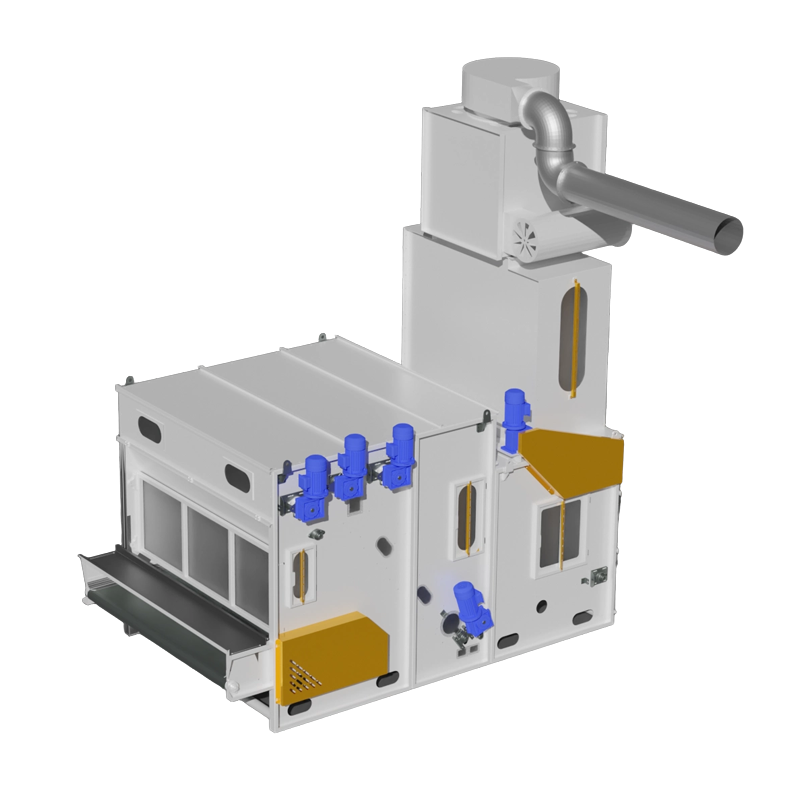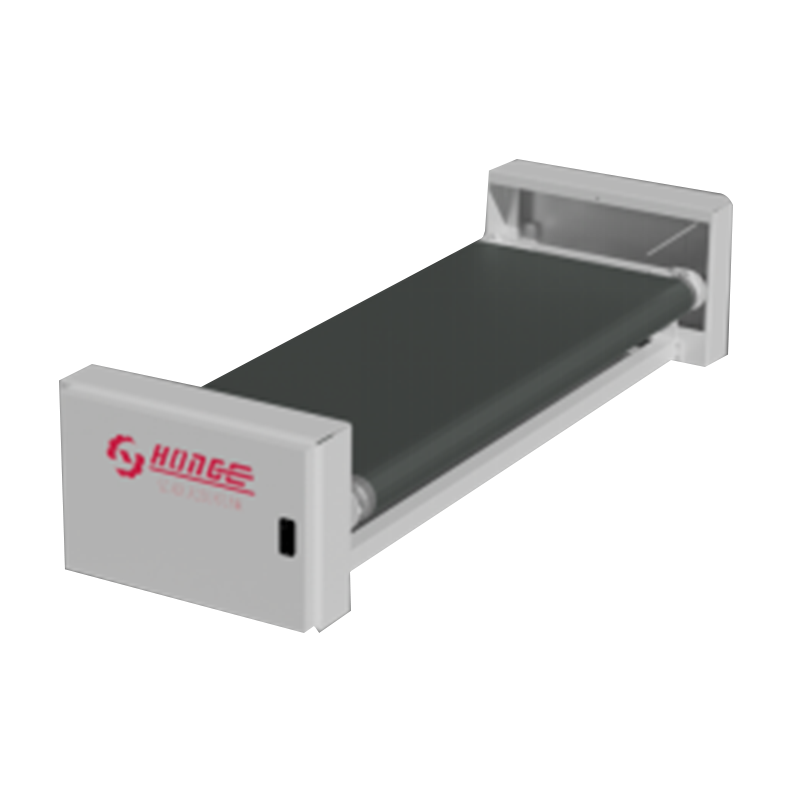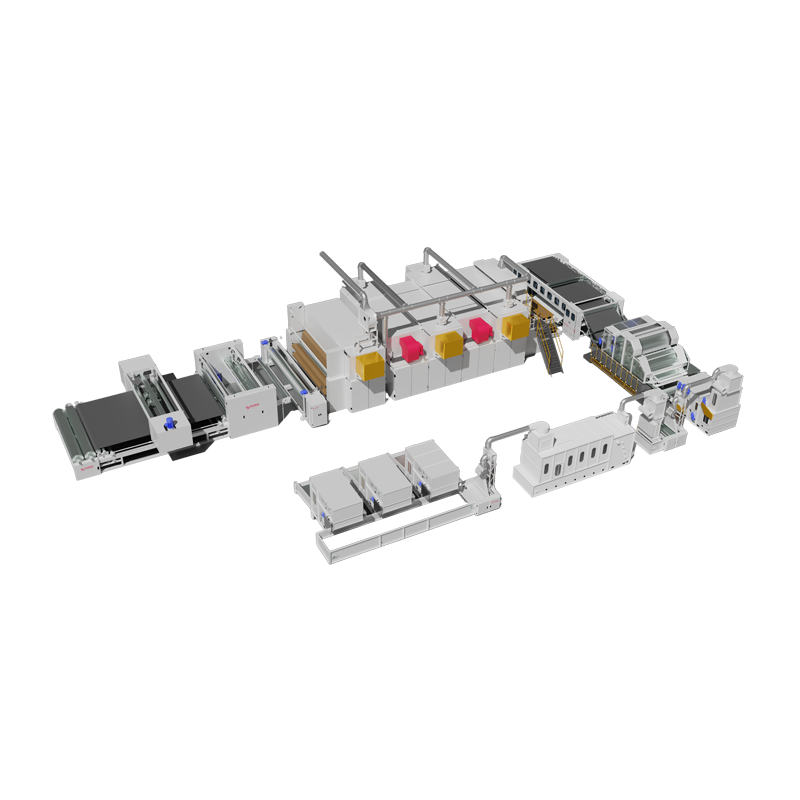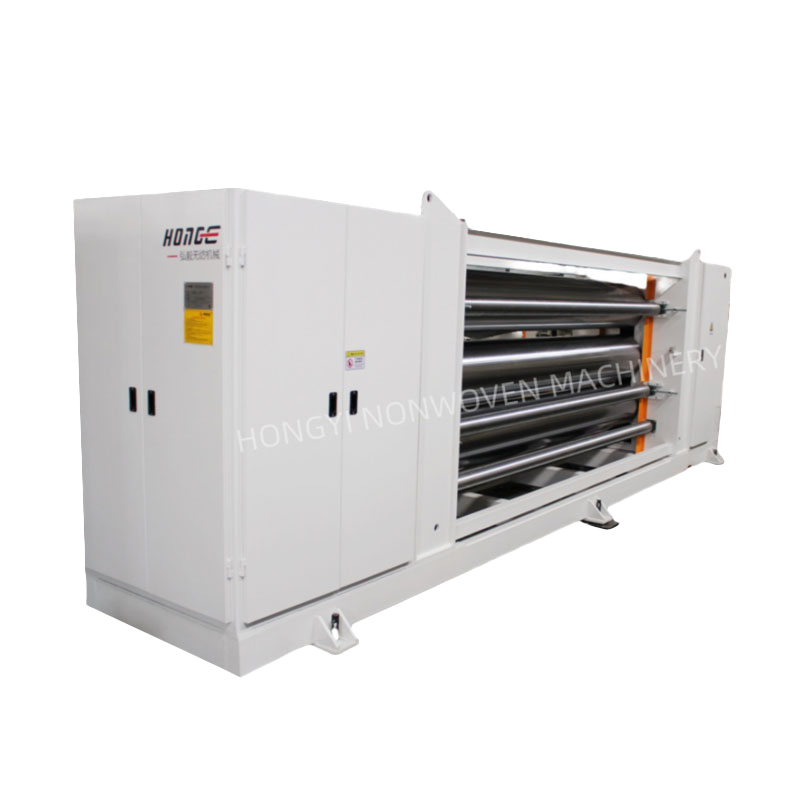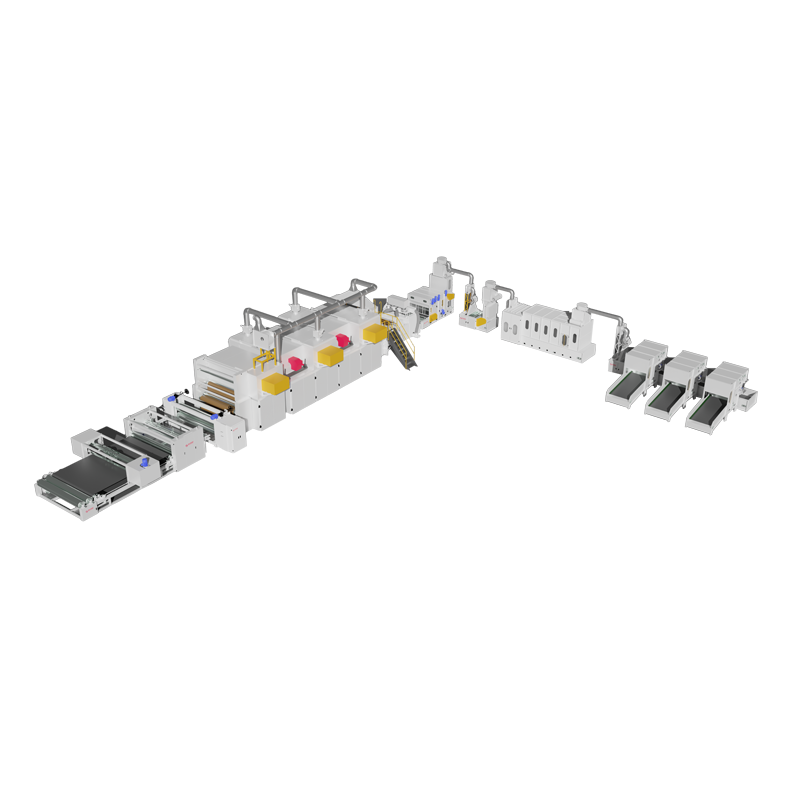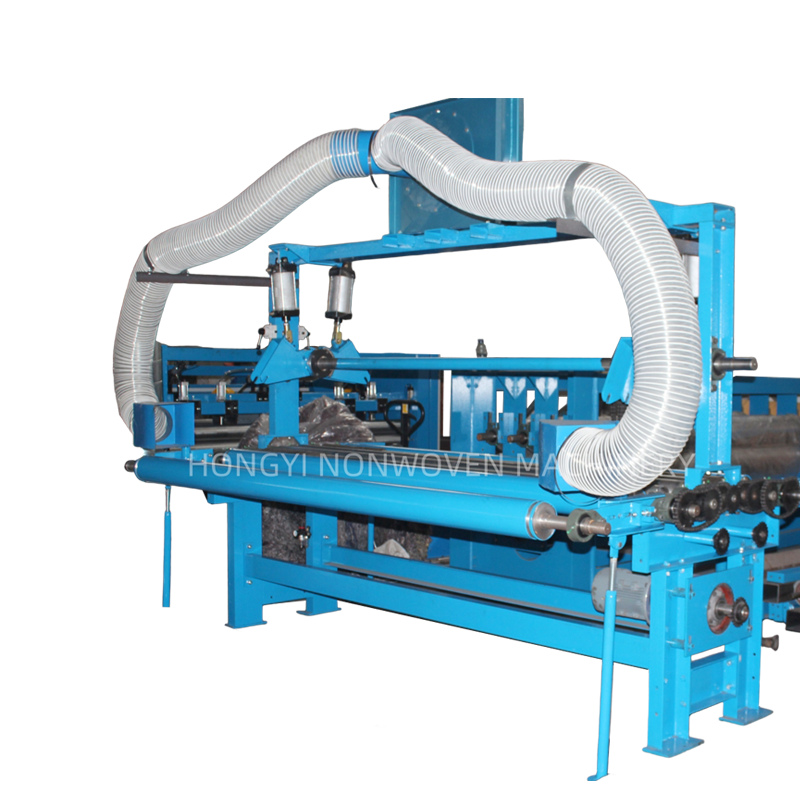


A nonwoven vibrating feeder is a precision material-handling device that uses controlled mechanical vibration to uniformly transport raw fibers, granules, or nonwoven web into downstream processing equipment. It is a cornerstone component in nonwoven fabric production, ensuring consistent feed rates, minimizing material waste, and protecting sensitive downstream machinery from overload.
Understanding the Role of Nonwoven Vibrating Feeders in Fabric Manufacturing
The production of nonwoven fabrics—used in medical textiles, hygiene products, geotextiles, automotive interiors, and filtration—depends on maintaining a steady, homogeneous flow of raw materials. Any inconsistency in feed volume or fiber distribution directly translates into defects in the finished web, rejected product, and costly machine stoppages.
This is exactly where the nonwoven vibrating feeder proves indispensable. By oscillating a trough or conveying surface at a precisely controlled frequency and amplitude, it moves bulk materials forward in a controlled, metered flow. The result is a self-regulating stream of input material that feeds carding machines, airlaid units, spunbond lines, and needlepunch systems with remarkable reliability.
Unlike belt conveyors or screw feeders, vibrating feeders handle delicate natural fibers such as cotton, viscose, and polyester staple without damaging fiber morphology—an essential requirement for high-quality nonwoven output.
How Does a Nonwoven Vibrating Feeder Work?
The operating principle is elegant in its simplicity. An electromagnetic or electromechanical drive generates oscillation in a trough or pan. This vibration moves material forward through a series of micro-throws—tiny, rapid projections of material particles in the direction of flow. By tuning frequency (typically 25–60 Hz) and amplitude (1–6 mm), operators control feed rate with great precision.
Core Operating Components
- Vibrating Trough / Pan: The material-contact surface, typically made from stainless steel or carbon steel with surface treatments suited to fiber type.
- Drive Unit: Either an electromagnetic coil-and-armature system or a motorized eccentric mass. The electromagnetic type offers instantaneous response to feed-rate commands.
- Spring Assembly: Leaf springs or coil springs couple the drive to the trough, storing and releasing energy to amplify motion efficiency.
- Control Unit: A variable-frequency drive (VFD) or thyristor controller allows real-time adjustment of feed rate to match downstream production speed.
- Frame and Isolation Mounts: Anti-vibration mounts decouple the feeder from the plant floor, protecting structural elements and reducing noise transmission.
Electromagnetic vs. Electromechanical Drive: A Direct Comparison
| Feature | Electromagnetic Drive | Electromechanical (Motor + Eccentric) Drive |
| Response Speed | Instantaneous | Moderate (ramp-up time) |
| Feed Rate Control | Very fine (stepless) | Good (VFD-controlled) |
| Maintenance | Low (no rotating parts) | Moderate (bearings, eccentric weights) |
| Noise Level | Low | Medium–High |
| Suitable Capacity | Small to medium | Medium to large |
| Energy Efficiency | High | Good |
| Best For | Delicate fibers, precision dosing | High-tonnage, coarser materials |
Key Benefits of Using a Nonwoven Vibrating Feeder
Manufacturers who integrate a vibrating feeder for nonwoven production report measurable gains across multiple performance indicators. Below are the primary advantages documented in industrial applications:
1. Consistent Material Dosing
The vibrating feeder delivers a steady, metered flow of fiber or granule material to the process line. This consistency is critical for maintaining uniform fabric weight (gsm—grams per square meter), which directly affects product quality and compliance with customer specifications.
2. Gentle Material Handling
Vibration-based transport avoids the crushing and shearing forces associated with screw conveyors. For applications using fragile natural fibers—wool, cotton linters, hemp—this preservation of fiber length and crimp directly improves carding performance and final fabric tensile strength.
3. Reduced Downtime and Maintenance Costs
Electromagnetic vibrating feeders have no rotating mechanical components in contact with material. This significantly reduces wear, lowers spare-parts inventory, and extends service intervals compared with belt or chain conveyors. In high-utilization environments running 24/7, this translates to tens of thousands of dollars in annual maintenance savings.
4. Real-Time Feed Rate Adjustment
Modern nonwoven vibrating feeders integrate directly with production-line PLC and SCADA systems. Feedback signals from downstream thickness gauges or weight sensors automatically modulate the feeder's output, creating a closed-loop system that self-corrects without human intervention.
5. Hygienic Design Options
For medical and hygiene nonwoven applications, stainless-steel trough construction with smooth, crevice-free welds enables thorough cleaning and meets ISO Class requirements. Enclosed designs prevent fiber contamination from airborne particulates or adjacent processes.
Where Are Nonwoven Vibrating Feeders Used? Key Applications
The versatility of the nonwoven vibrating feeder spans numerous industry segments. Its adoption continues to grow as nonwoven fabric demand expands globally—a market projected to exceed USD 70 billion by 2030.
| Industry | Application | Material Handled |
| Medical Textiles | Surgical gown and mask web production | PP staple fiber, meltblown granules |
| Hygiene Products | Diaper top-sheet and absorbent core lines | SAP powder, fluff pulp, bico fiber |
| Automotive | Interior sound-dampening felt production | Recycled PET fiber, natural fiber blends |
| Filtration | Air and liquid filter media manufacturing | Glass fiber, activated carbon granules |
| Geotextiles | Needlepunched geofabric lines | PP and polyester staple, recycled fiber |
| Insulation | Thermal and acoustic batt production | Mineral wool, recycled denim fiber |
How to Select the Right Nonwoven Vibrating Feeder for Your Production Line
Choosing the wrong feeder specification is one of the most common—and costly—mistakes in nonwoven plant design. The following parameters must be evaluated in detail before procurement:
Material Properties
- Bulk density (kg/m³): Determines trough width and drive power requirements.
- Fiber length and denier: Long, fine fibers require shallow trough profiles and low-amplitude vibration to prevent tangling or bridging.
- Flowability: Cohesive or sticky materials (e.g., viscose at high humidity) may require liners, coatings, or ultrasonic agitation assistance.
- Abrasiveness: Glass fiber and mineral-based materials demand hardened trough surfaces or ceramic coatings.
Required Feed Rate and Accuracy
Feed rates for nonwoven vibrating feeders typically range from 50 kg/h for laboratory or pilot-scale units to over 5,000 kg/h for industrial carding lines. Gravimetric loss-in-weight systems that mount the feeder on load cells can achieve dosing accuracies of ±0.5% or better.
Integration Requirements
Consider whether the feeder must interface with a SCADA system, ERP production scheduling software, or vision-based quality control. Feeders with Profibus, EtherNet/IP, or Modbus TCP communication interfaces integrate seamlessly with modern Industry 4.0 plant architectures.
Nonwoven Vibrating Feeder vs. Alternative Feeding Technologies
Multiple conveying technologies compete for material-handling roles in nonwoven plants. Understanding their trade-offs clarifies why the vibrating feeder is often the preferred solution for fiber input stages.
| Technology | Fiber Gentleness | Feed Accuracy | Maintenance | Cost |
|---|---|---|---|---|
| Nonwoven Vibrating Feeder | Excellent | Excellent | Excellent | Medium |
| Belt Conveyor | Good | Moderate | Moderate | Low–Medium |
| Screw / Auger Feeder | Poor | High | Poor | Low |
| Pneumatic Conveyor | Moderate | Low | Moderate | High |
| Rotary Valve Feeder | Moderate | High | Moderate | Medium |
Maintenance Best Practices for Nonwoven Vibrating Feeders
A well-maintained vibrating feeder for nonwoven applications can deliver a service life exceeding 15 years. Achieving this requires a structured preventive maintenance program:
Daily Checks
- Inspect trough surface for fiber buildup or unusual wear patterns.
- Verify drive unit is operating at correct frequency and without anomalous heat.
- Confirm isolation mount integrity—no cracking or flattening of rubber elements.
Monthly Inspections
- Check all fasteners and spring leaf assemblies for fatigue cracks using dye-penetrant or visual inspection.
- Measure vibration amplitude with a calibrated accelerometer—deviation exceeding ±10% from set point indicates drive or spring wear.
- Clean electromagnetic coils with compressed air to remove fiber dust accumulation, which reduces magnetic efficiency.
Annual Overhaul
- Replace leaf springs as a complete set (not individually) to maintain balanced oscillation.
- Re-torque all structural bolts to OEM specification.
- Calibrate the control unit feed-rate output against a reference scale measurement.
Emerging Trends in Nonwoven Vibrating Feeder Technology
As Industry 4.0 reshapes manufacturing, the nonwoven vibrating feeder is evolving rapidly. Several technological directions are shaping next-generation equipment:
- Gravimetric Loss-in-Weight Integration: Feeders mounted on high-precision load cells with automatic tare correction deliver dosing accuracies below ±0.3%, enabling tighter gsm control and less raw-material waste per ton of fabric produced.
- Smart Condition Monitoring: Embedded IoT sensors continuously stream vibration signatures, temperature, and coil current to cloud analytics platforms. Predictive algorithms flag degrading springs or bearings weeks before failure.
- Multi-Component Blending Feeders: Twin-trough and multi-lane vibrating feeders simultaneously meter two or more fiber types—for example, a 70/30 PET/cotton blend—at pre-set ratios, replacing manual batch mixing.
- Sustainability-Driven Design: Lower-power-consumption electromagnetic drives and lightweight composite trough materials reduce the carbon footprint of nonwoven plants targeting net-zero production goals.
- Hygienic Design Certification: EHEDG-certified feeders are gaining traction in nonwoven plants producing medical and food-contact materials, where cross-contamination risk must be demonstrably eliminated.
Frequently Asked Questions About Nonwoven Vibrating Feeders
Conclusion: Why the Nonwoven Vibrating Feeder Is a Production-Critical Investment
The nonwoven vibrating feeder is far more than a simple conveyor. It is a precision dosing instrument that anchors product quality, production efficiency, and machinery protection across every major nonwoven technology—spunbond, meltblown, needlepunch, airlaid, wetlaid, and hydroentanglement.
As global demand for nonwoven fabrics intensifies—driven by sustainability requirements, medical supply chain resilience, and advanced filtration needs—the pressure on production lines to deliver consistent quality at higher speeds only increases. Investing in the right nonwoven vibrating feeder specification, whether gravimetric or volumetric, electromagnetic or electromechanical, is one of the highest-return capital decisions a nonwoven plant manager can make.
For manufacturers evaluating or upgrading their material-handling systems, engaging with an experienced vibrating feeder supplier—one with proven installations in nonwoven environments and a comprehensive service network—will ensure that the selected feeder delivers consistent, accurate, and reliable performance across decades of industrial operation.