

Content
- 1 Why Does Fiber Blending Matter in Textile Manufacturing?
- 2 How Does a Fiber Blending Machine Work? The Core Process
- 3 Types of Fiber Blending Machines: A Detailed Comparison
- 4 Key Technical Features to Evaluate in a Fiber Blending Machine
- 5 Industry Applications of Fiber Blending Machines
- 6 Volumetric vs. Gravimetric Fiber Blending: Which Is Right for You?
- 7 How to Choose the Right Fiber Blending Machine for Your Mill
- 8 Maintenance Best Practices for Fiber Blending Machines
- 9 Frequently Asked Questions About Fiber Blending Machines
- 10 Conclusion: The Fiber Blending Machine as a Production Cornerstone
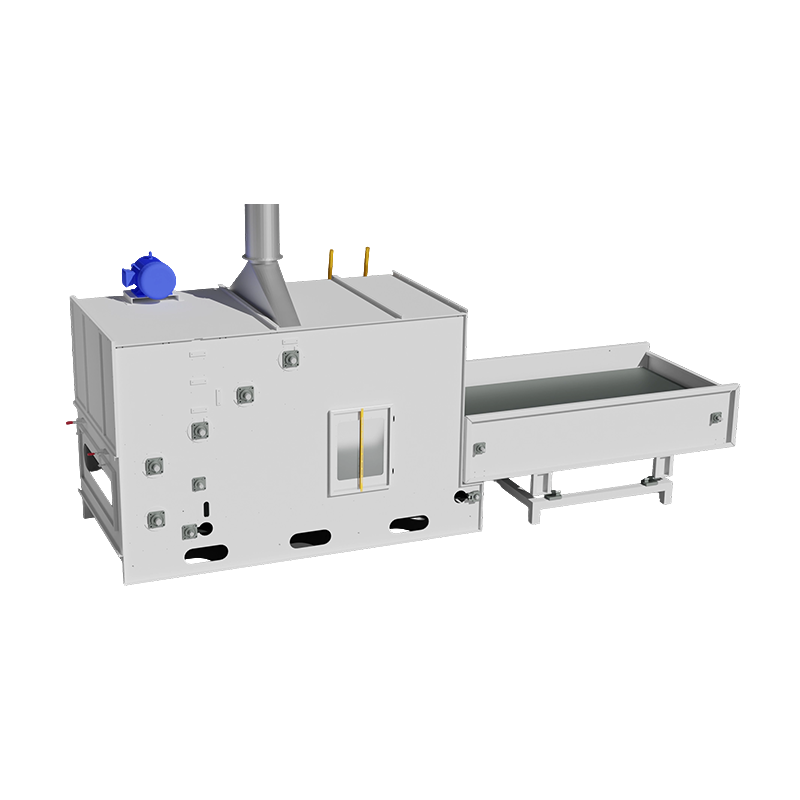
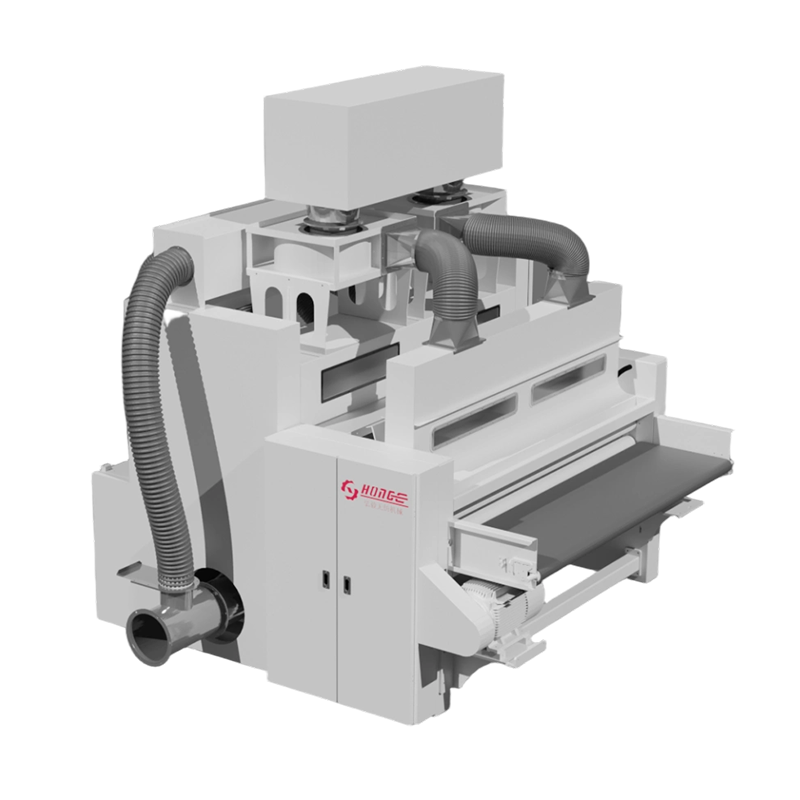
A fiber blending machine is industrial equipment designed to uniformly mix two or more types of textile fibers — such as cotton, polyester, wool, viscose, or recycled fibers — to produce a consistent, homogeneous blend that meets specific quality, performance, and cost targets. It sits at the heart of modern spinning and nonwoven production lines, directly influencing yarn evenness, fabric strength, and overall textile quality.
Why Does Fiber Blending Matter in Textile Manufacturing?
In any textile operation, raw fiber rarely arrives in a perfectly uniform state. Variations in fiber length, fineness, moisture content, and color are inevitable — especially when sourcing from multiple suppliers or working with recycled inputs. A fiber blending machine addresses these inconsistencies by mechanically opening, mixing, and homogenizing fibers at high throughput rates.
Poor blending leads to streaky yarn, uneven dyeing, reduced fabric strength, and elevated waste rates. Conversely, precise fiber blending unlocks significant commercial advantages:
- Cost optimization — blending lower-cost fibers with premium ones to hit price targets without sacrificing performance.
- Enhanced properties — combining moisture-wicking synthetics with natural softness of cotton to create functional fabrics.
- Consistent quality — maintaining stable blend ratios batch after batch for downstream spinning consistency.
- Sustainability gains — integrating recycled or bio-based fibers into mainstream production streams.
How Does a Fiber Blending Machine Work? The Core Process
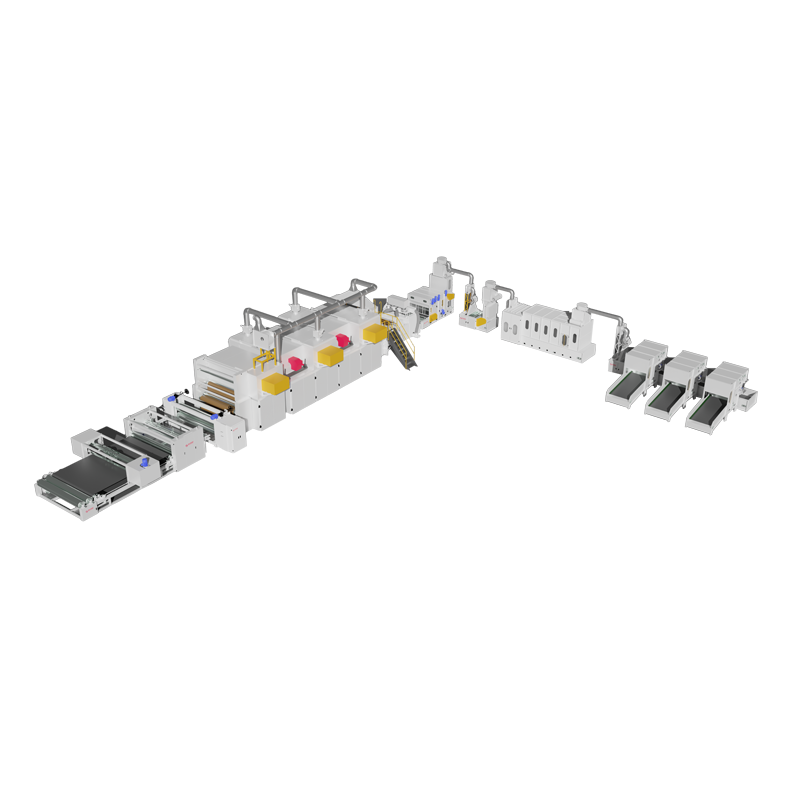
Modern fiber blending machines operate through a combination of mechanical opening, airflow mixing, and volumetric or gravimetric dosing. While designs vary, the fundamental workflow follows these stages:
Stage 1 — Fiber Opening
Bales of raw fiber are fed into opening units equipped with spiked rollers or beater elements. These components break apart compressed fiber tufts, reducing them to small, loose clumps that can be more easily mixed. Proper opening is the prerequisite for effective fiber blending.
Stage 2 — Proportional Dosing
Different fiber types are dosed into the blending chamber in precise ratios. High-performance machines use gravimetric dosing systems with load cells that weigh each component in real time, ensuring blend ratios remain within ±0.5% of target — a critical factor for quality certification in technical and apparel textiles.
Stage 3 — Multi-Layer Mixing
Opened fibers are layered horizontally (cross-blending) or mixed within a rotating drum or vertical chute. The most effective fiber blending machines use a combination of both approaches — first layering and then cross-cutting through the layers — to achieve thorough, intimate mixing throughout the fiber mass.
Stage 4 — Transport and Delivery
Blended fiber tufts are carried by pneumatic airflow to downstream processing — typically a carding machine or a nonwoven web-forming unit. Consistent airflow pressure is managed by variable-frequency drives to prevent blend separation during transport.
Types of Fiber Blending Machines: A Detailed Comparison
Different production requirements call for different fiber blending machine configurations. The table below compares the main types currently used across the textile industry:
| Machine Type | Mixing Method | Best Fiber Types | Capacity (kg/h) | Blend Accuracy | Typical Application |
|---|---|---|---|---|---|
| Bale Plucker + Hopper Blender | Horizontal layer mixing | Cotton, polyester staple | 200–1200 | ±1–2% | Ring spinning, rotor spinning |
| Multi-Mixer (Vertical Chute) | Vertical column blending | Synthetic, recycled fiber | 100–600 | ±1% | Nonwovens, wadding |
| Gravimetric Blending Unit | Weigh-dosing + air mixing | All staple fiber types | 50–500 | ±0.3–0.5% | Technical textiles, premium yarns |
| Drum / Tumble Blender | Rotary tumbling | Short staple, wool, specialty | 20–200 | ±1–3% | Small batch, specialty blends |
| Inline Airflow Blender | Pneumatic turbulence mixing | Fine synthetic, microfiber | 80–400 | ±1% | High-speed nonwoven lines |
Key Technical Features to Evaluate in a Fiber Blending Machine
When selecting a fiber blending machine for your facility, these technical parameters should drive the decision:
1. Blending Ratio Control System
Volumetric systems measure fiber flow by volume, while gravimetric systems use real-time weighing. For applications where blend consistency is a quality-critical factor — such as producing certified recycled-content yarns or medical-grade nonwovens — gravimetric fiber blending offers superior accuracy and data traceability.
2. Number of Blend Components
Basic machines handle two fiber types. Advanced multi-component fiber blending machines can simultaneously mix four, six, or even eight different fiber species — essential for functional yarns that combine natural, synthetic, and recycled inputs in a single process step.
3. Fiber Length Compatibility
Not every fiber blending machine handles all staple lengths equally well. Cotton with a staple of 25–32 mm behaves very differently from long-staple wool (60–100 mm) or short recycled polyester (12–20 mm). Ensure the machine's opening roller speed, grid spacing, and airflow are adjustable for your target fiber range.
4. Automation and Connectivity (Industry 4.0)
Leading fiber blending machine manufacturers now equip their systems with PLC-based control panels, touchscreen HMIs, and OPC-UA or MQTT connectivity for integration into mill-wide MES and ERP platforms. This enables remote monitoring, predictive maintenance alerts, and automatic blend-ratio adjustment based on upstream quality sensor data.
5. Dust and Waste Management
Fiber blending generates fine dust and short fiber waste. Modern machines integrate enclosed chambers, suction hoods, and central filter units to meet environmental and occupational health standards. Efficient waste recovery systems can also reclaim short-fiber output for reintroduction into lower-grade blends, improving overall material yield.
Industry Applications of Fiber Blending Machines
The fiber blending machine finds application across a remarkably broad spectrum of industries:
| Industry Sector | Typical Blend | Purpose |
|---|---|---|
| Apparel & Fashion | Cotton/Polyester, Cotton/Modal | Comfort, durability, color retention |
| Technical & Industrial Textiles | Aramid/Carbon, Glass/Polyester | High-strength, heat resistance |
| Nonwoven Manufacturing | Recycled PET / Virgin PP | Cost reduction with performance |
| Medical & Hygiene | Cotton/Viscose, PET/Bico | Absorption, sterility, softness |
| Automotive Interiors | Recycled PET / Natural fiber | Weight reduction, acoustics |
| Sustainable Textiles | Recycled Cotton / Tencel | GRS-certified eco products |
Volumetric vs. Gravimetric Fiber Blending: Which Is Right for You?
One of the most consequential decisions when specifying a fiber blending machine is choosing between volumetric and gravimetric dosing. Here is a structured comparison:
| Criteria | Volumetric Blending | Gravimetric Blending |
|---|---|---|
| Blend Accuracy | ±1–2% | ±0.3–0.5% |
| Capital Cost | Lower | Higher |
| Traceability | Limited | Full digital records |
| Fiber Density Variation Impact | High sensitivity | Self-compensating |
| Maintenance Complexity | Simple | Moderate (calibration required) |
| Best Suited For | Standard commodity blends | Premium yarns, technical textiles, certifications |
How to Choose the Right Fiber Blending Machine for Your Mill
Selecting the optimal fiber blending machine requires a structured evaluation framework. Consider the following decision points:
- Production volume: Calculate your required throughput in kg/hour including a 20–30% buffer for peak demand and future growth.
- Fiber range: List all fiber types, staple lengths, and fineness values you currently process or plan to run. Verify compatibility with the machine's opening and transport system.
- Blend count: Determine the maximum number of fiber components in your most complex recipe and specify a machine with at least that many independent dosing channels.
- Quality targets: If supplying to brands with strict recycled-content or fiber-composition audits, gravimetric fiber blending with data-logging is essentially non-negotiable.
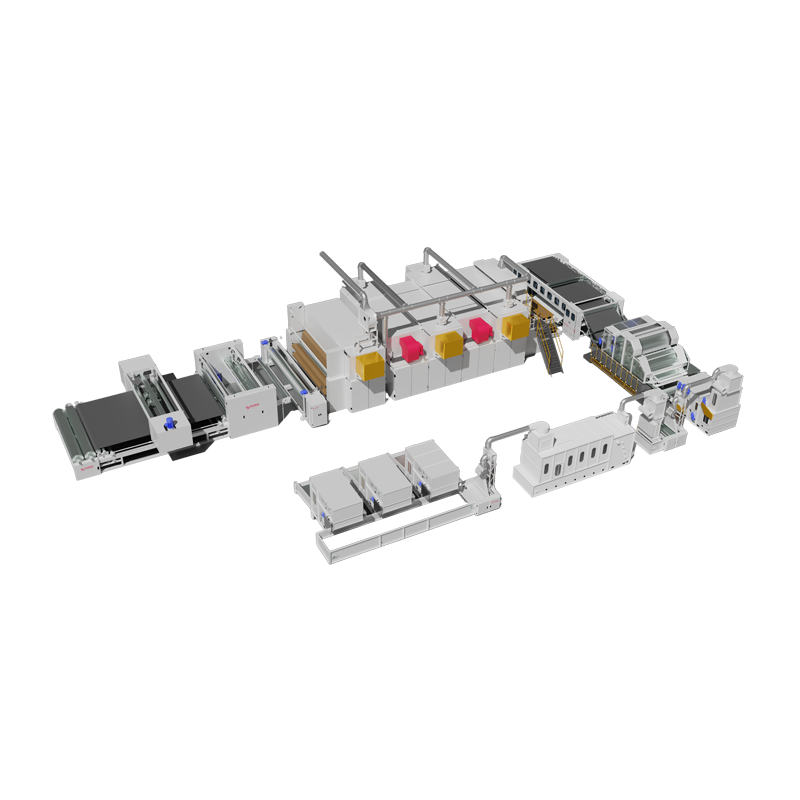
- Footprint and integration: Map the machine's footprint against your blowroom layout and confirm that pneumatic connections align with your existing duct infrastructure.
- After-sales support: Evaluate spare parts availability, remote diagnostics capability, and the supplier's regional service network — downtime on a blending line can halt the entire spinning section.
Maintenance Best Practices for Fiber Blending Machines
Consistent maintenance of your fiber blending machine is essential to sustaining blend quality and equipment longevity:
- Daily: Clean fiber residues from dosing channels, check airflow pressure gauges, inspect roller surfaces for fiber wraps.
- Weekly: Lubricate bearings per manufacturer schedule, verify weighing cell calibration (gravimetric units), inspect conveyor belts for wear.
- Monthly: Full inspection of drive belts, gear reducers, and airlock valves; clean all filter elements; audit blend-ratio logs against laboratory test results.
- Annually: Full mechanical overhaul, replace spiked roller clothing (if worn), recertify dosing accuracy with reference weights, update PLC software if firmware patches are available.
Frequently Asked Questions About Fiber Blending Machines
Q: What is the difference between a fiber blending machine and a carding machine?
A carding machine individualizes fibers, removes neps and short fibers, and forms a continuous web or sliver — it does not blend different fiber species in controlled ratios. A fiber blending machine operates upstream of carding and focuses exclusively on mixing multiple fiber types in precise proportions. Both are essential stages in the blowroom-to-carding production sequence.
Q: Can a fiber blending machine process recycled fibers?
Yes. Modern fiber blending machines are increasingly engineered to handle mechanically recycled cotton, recycled PET staple, and blends of recycled and virgin fibers. The key consideration is that recycled fibers often have shorter and more variable staple lengths, requiring slower opening roller speeds and adjusted grid spacings to prevent excessive fiber breakage.
Q: How many fiber types can a single blending machine handle simultaneously?
Entry-level fiber blending machines typically manage 2–3 components. Advanced industrial systems can handle 6–8 independent fiber types simultaneously, with each component having its own dosing channel, load cell, and control valve. Multi-component systems are common in technical textile and functional yarn production.
Q: What production capacity should I expect from a fiber blending machine?
Capacity varies widely by machine class. Small-batch laboratory or sample-production units may process 20–50 kg/h, while large industrial fiber blending lines for integrated spinning mills can exceed 1,200 kg/h. The optimal machine is one that matches your carding line's input requirement rather than over- or under-specifying by a wide margin.
Q: Is it possible to blend natural and synthetic fibers in the same machine?
Absolutely — blending natural fibers (cotton, wool, viscose) with synthetic fibers (polyester, nylon, acrylic) is one of the most common uses of a fiber blending machine. The key technical challenge is managing the different densities and surface characteristics, which affect how fibers flow through pneumatic transport ducts. Adjustable airflow and variable-speed drives are essential for stable mixed-fiber operation.
Q: How does Industry 4.0 integration benefit fiber blending operations?
Smart fiber blending machines with Industry 4.0 connectivity allow mills to track blend ratios in real time, compare actual vs. target dosing via dashboards, receive automated alerts for deviations, and generate digital certificates of blend composition for compliance and customer audits. Over time, production data can be analyzed to optimize energy use and reduce material waste.
Conclusion: The Fiber Blending Machine as a Production Cornerstone
The fiber blending machine is far more than an ancillary piece of blowroom equipment — it is a strategic asset that directly determines yarn quality, cost competitiveness, and the ability to deliver certified sustainable products. As fiber diversity grows with the expansion of recycled inputs, bio-based materials, and high-performance specialty fibers, the precision and flexibility of the blending stage becomes ever more critical.
Whether you operate a compact spinning unit targeting niche markets or a high-volume integrated mill supplying global brands, investing in the right fiber blending machine — sized correctly, equipped with appropriate dosing technology, and integrated into your digital production ecosystem — delivers returns that extend well beyond the blending stage itself, improving consistency and quality at every subsequent step of production.