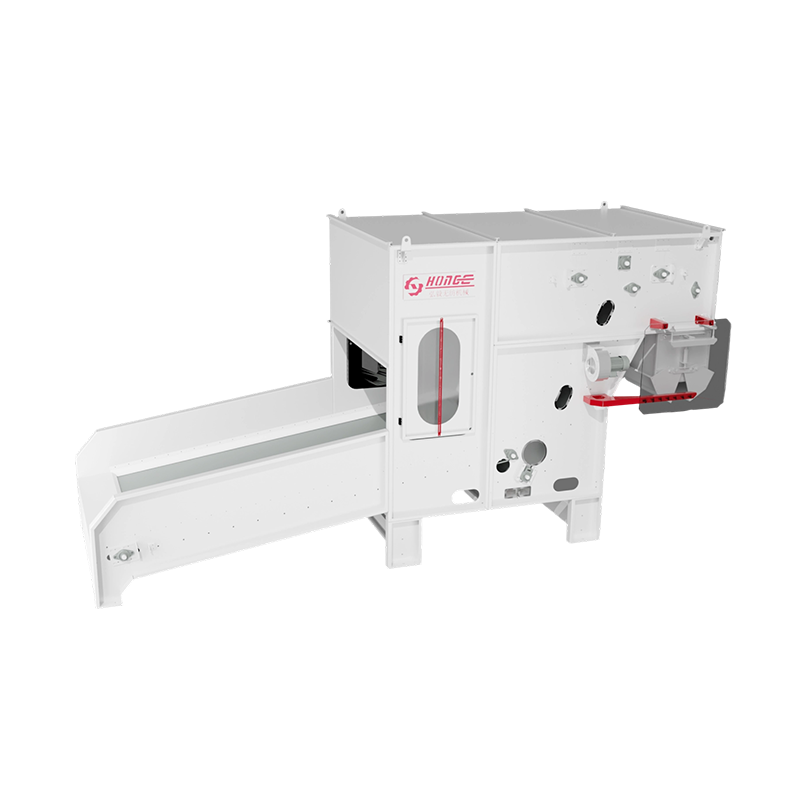
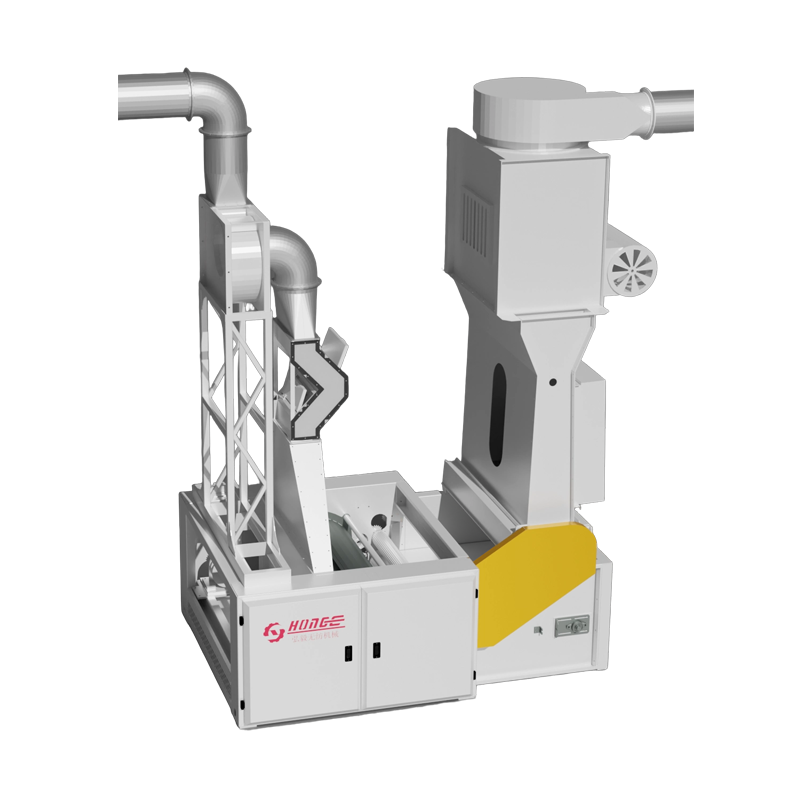
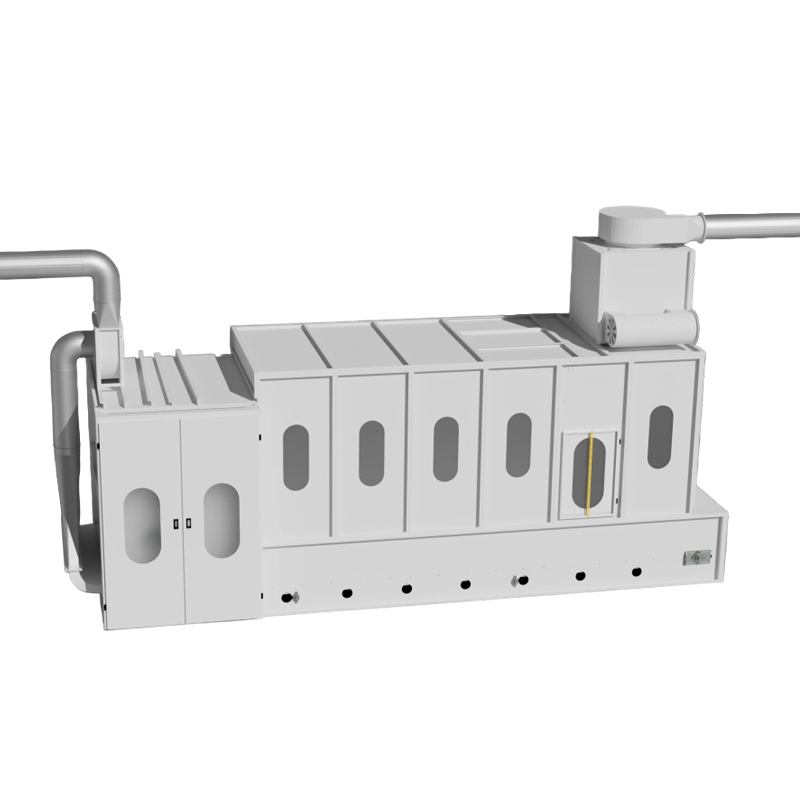
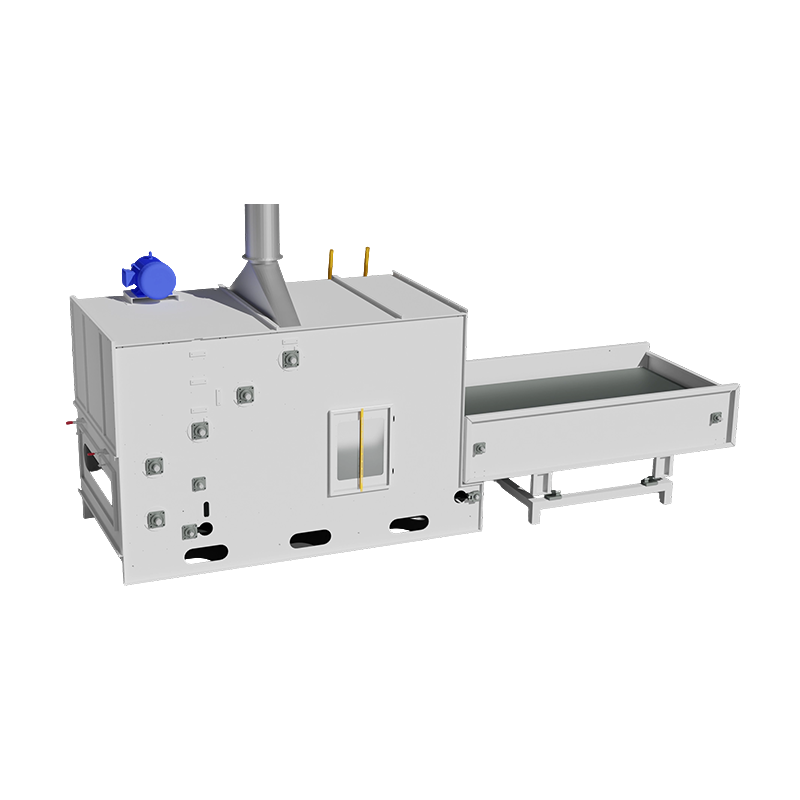
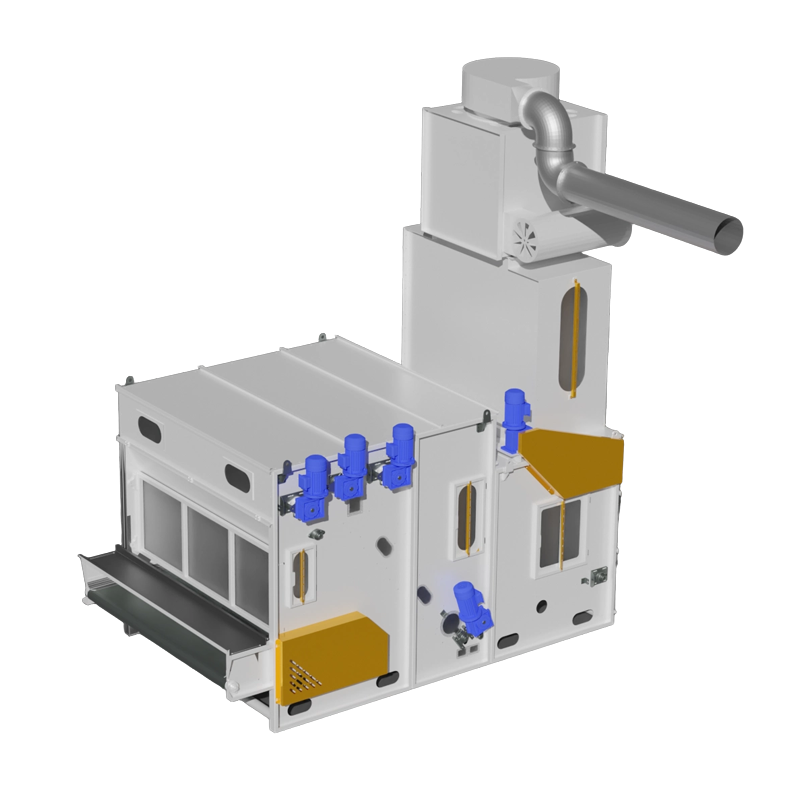
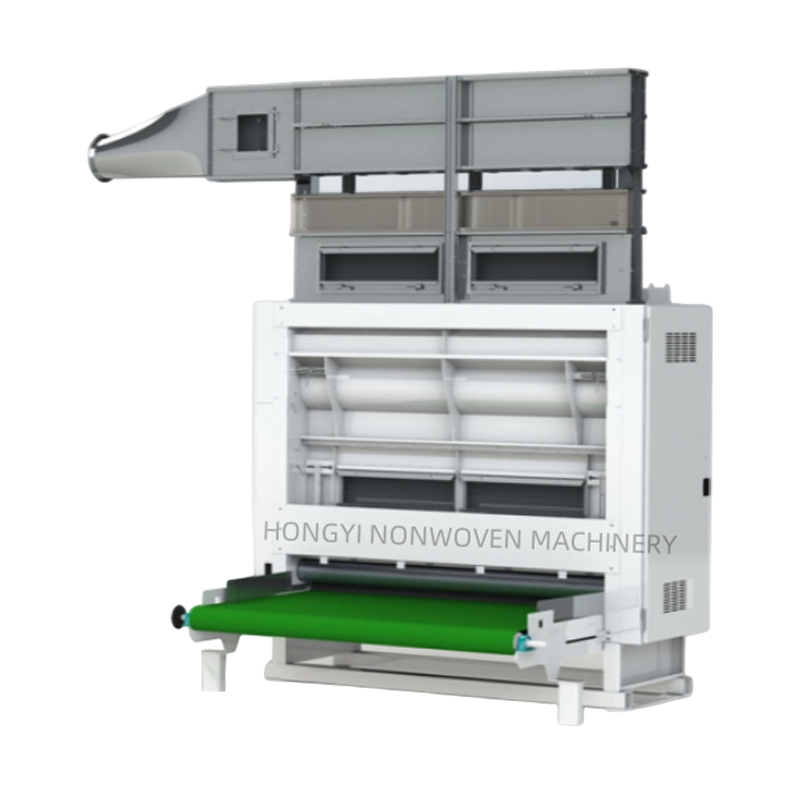
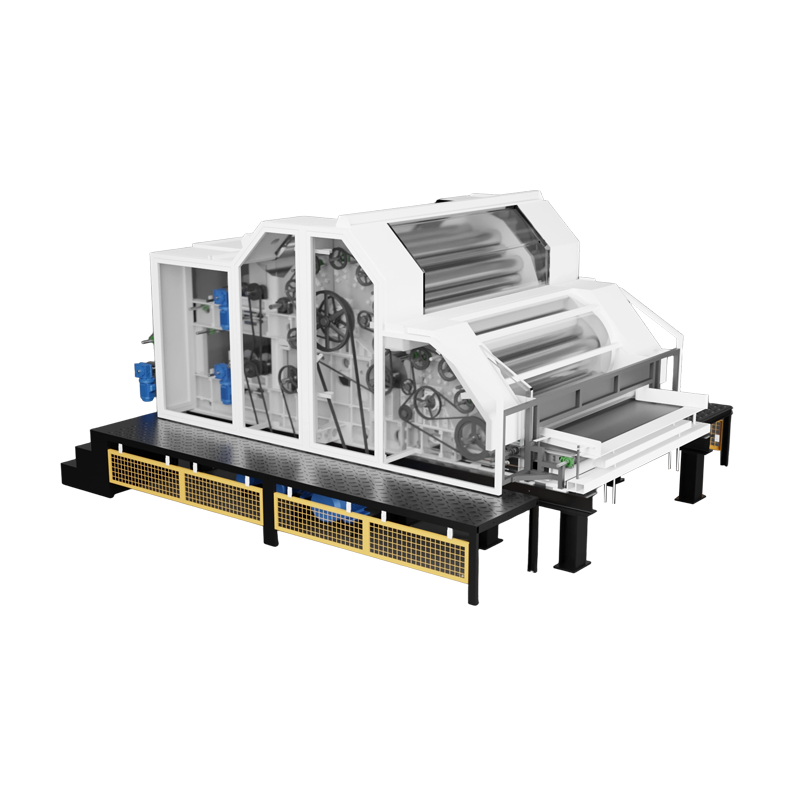
Nonwoven Thermal Bonded & Heat Setting Equipment represents a critical phase in the manufacturing of high-quality nonwoven fabrics, where loose fiber webs are transformed into stable, durable materials through controlled thermal application. By utilizing precise temperature and pressure, this equipment triggers the melting of low-melt fibers or resins to create strong structural bonds. The primary function of Nonwoven Thermal Bonded & Heat Setting Equipment is to ensure dimensional stability, uniform thickness, and enhanced mechanical properties for products ranging from home textiles to industrial filtration media. As a core component of modern production lines, these machines are engineered for high thermal efficiency and consistent heat distribution, which are essential for maintaining the integrity of the final product. Changshu Hongyi Nonwoven Machinery Co., Ltd. integrates advanced air-flow technology and precision tension control into our Nonwoven Thermal Bonded & Heat Setting Equipment to meet the rigorous demands of global industrial standards.
Core Equipment Types: Principles and Applications
1. Thermal Bonding Wadding Oven
Working Principle: This machine utilizes high-velocity hot air circulation. The fiber web, containing a percentage of low-melt bonding fibers, passes through the oven chamber. The hot air penetrates the web, melting the binder fibers at their contact points with the carrier fibers. Upon cooling, these points solidify, creating a three-dimensional bonded structure.
Applications: Production of high-loft wadding, mattress components, furniture padding, and thermal insulation materials.
2. Calender / Ironing Machine
Working Principle: Unlike the convection method of an oven, an ironing machine uses conduction. The web passes between heated polished rollers. The combination of heat and mechanical pressure flattens the surface, increases density, and creates a smooth, "ironed" finish on one or both sides.
Applications: Automotive interior linings, synthetic leather substrates, and geotextiles requiring a smooth surface finish.
3. Heat Setting Stenter
Working Principle: This equipment focuses on dimensional stability. By holding the fabric at a constant width using pins or clips while applying heat, internal stresses in the fibers are relieved. This ensures the fabric will not shrink or deform during subsequent processing or end-use.
Applications: High-end garment interlinings, filter media, and specialized industrial felt.
Detailed Technical Comparison
| Feature |
Thermal Bonding Oven |
Ironing/Calender Machine |
Heat Setting Stenter |
| Heat Transfer |
Convection (Hot Air) |
Conduction (Heated Rollers) |
Convection + Tension |
| Product Effect |
High Loft / Softness |
High Density / Smoothness |
Dimensional Stability |
| Material Thickness |
Up to 200mm |
Typically < 10mm |
Variable |
| Primary Goal |
Structural Bonding |
Surface Finishing |
Shrinkage Control |
Operational Guidance & Maintenance
Routine Maintenance Tasks
- Temperature Calibration: Monthly checks of sensors and PID controllers to ensure ±1°C accuracy.
- Air Filter Cleaning: Weekly cleaning of oven filters to maintain airflow efficiency and prevent fire hazards.
- Lubrication: High-temperature grease application for bearings in the heating zone.
- Roller Inspection: Checking calender rollers for surface scratches or uneven heating.
Performance Highlights
- Energy Saving: Changshu Hongyi equipment features recycled air systems to reduce heat loss.
- Automatic Control: PLC-integrated systems allow for recipe storage and precise speed synchronization.
- Durability: Constructed with heavy-duty frames to withstand continuous 24/7 industrial operation.
Frequently Asked Questions (FAQ)
Q: How does Changshu Hongyi ensure heating uniformity in large-width ovens?
A: Our ovens utilize a dual-sided airflow design with adjustable dampers. This ensures that the temperature variance across a 6-meter width remains within a very narrow margin, preventing "soft spots" in the final nonwoven roll.
Q: Can your thermal bonding equipment handle both natural and synthetic fibers?
A: Yes. While synthetic fibers (like Polyester with Low-Melt Co-PET) are standard, our equipment can be customized with specific tension controls to handle jute, wool, or recycled waste felt blends effectively.
Q: What is the typical lead time for a complete heat setting production line?
A: Depending on the customization and width requirements, Changshu Hongyi typically delivers unit machines within 45-60 days and complete lines within 90-120 days.
Why Choose Changshu Hongyi Nonwoven Machinery?
With over 20 years of experience in the nonwoven machinery field in China, Changshu Hongyi Nonwoven Machinery Co., Ltd. has established itself as a professional manufacturer and trader. Our equipment is operational in more than 20 countries, including Mexico, Turkey, and Vietnam. We specialize in providing complete production lines—such as needle-punched geotextile and automotive interior lines—where our thermal bonding and heat setting solutions serve as the core technology for product excellence. Our focus on precision engineering and customizable options ensures that every machine is optimized for the customer's specific material requirements and energy-efficiency goals.



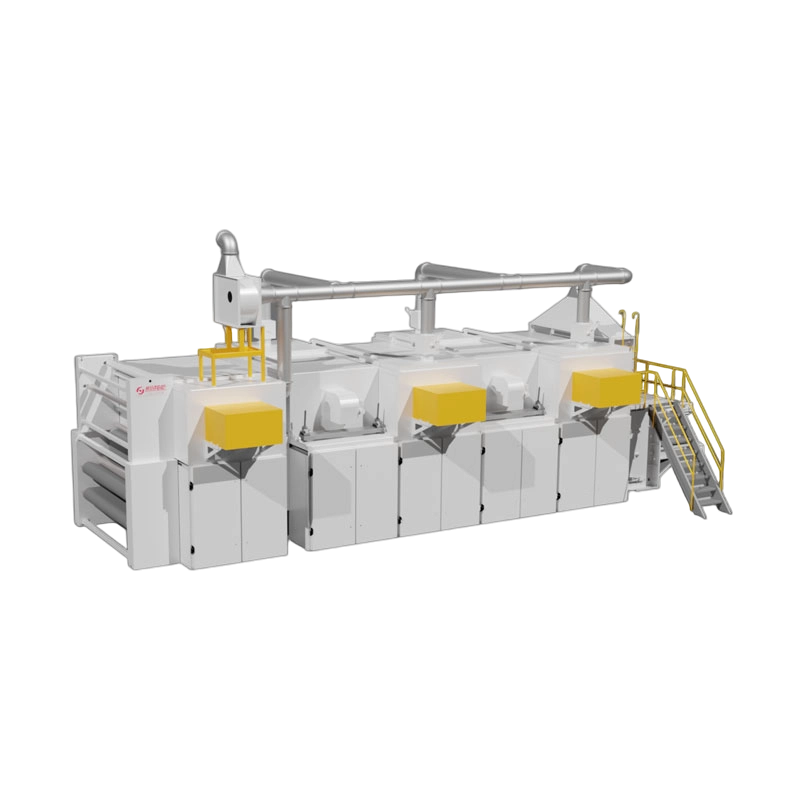
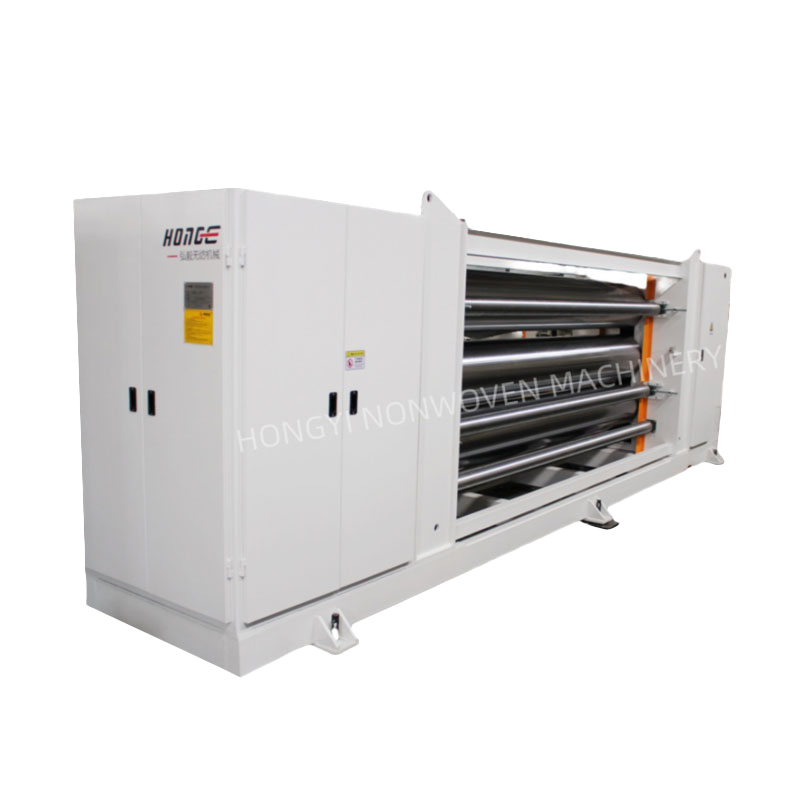
 factory show
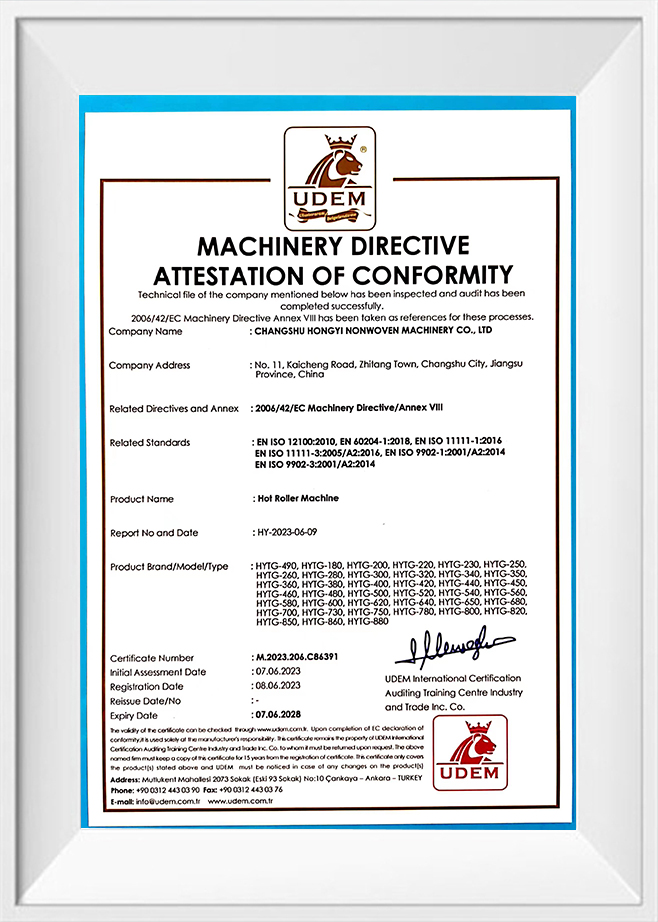
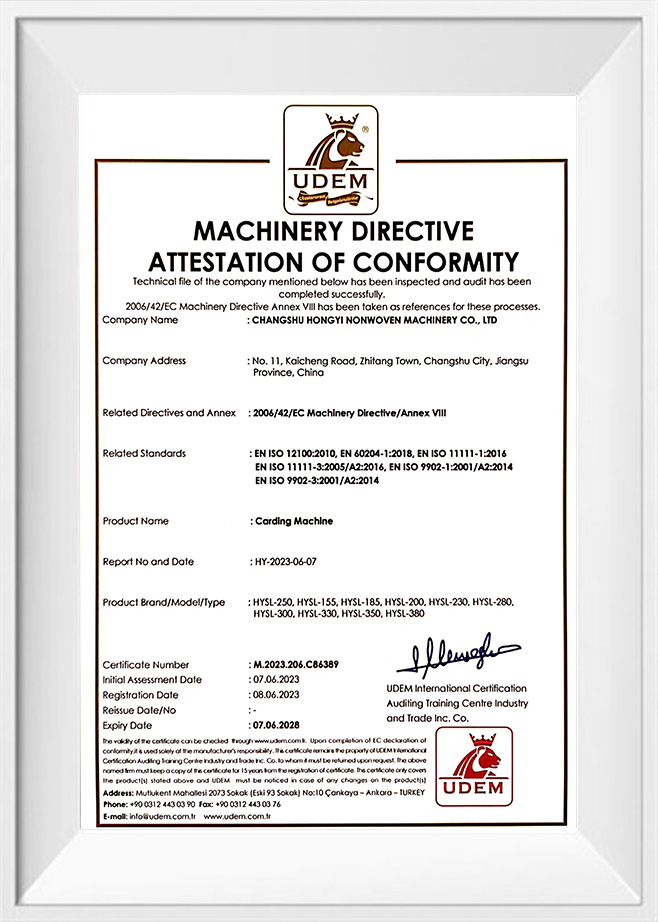
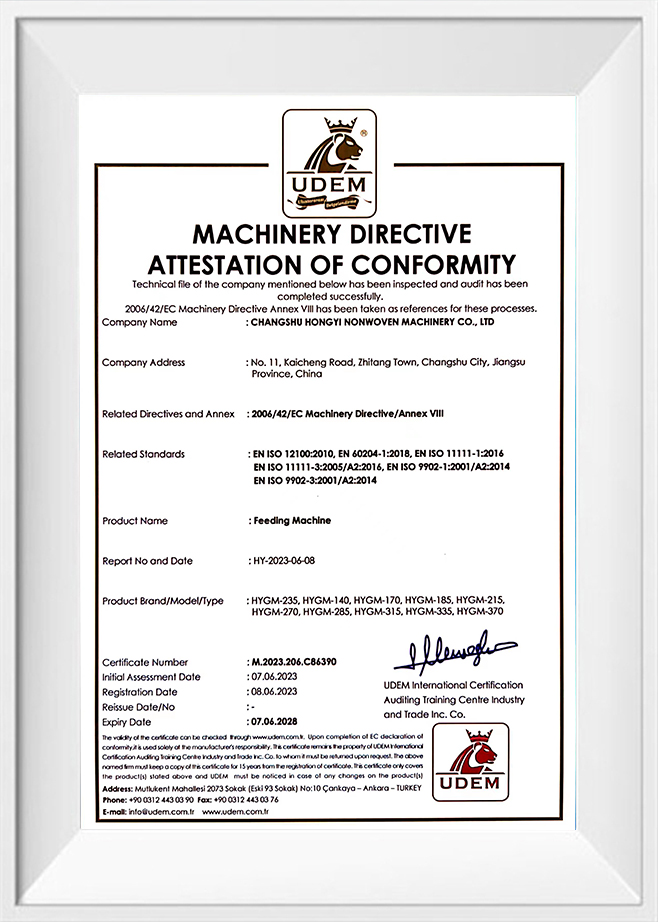
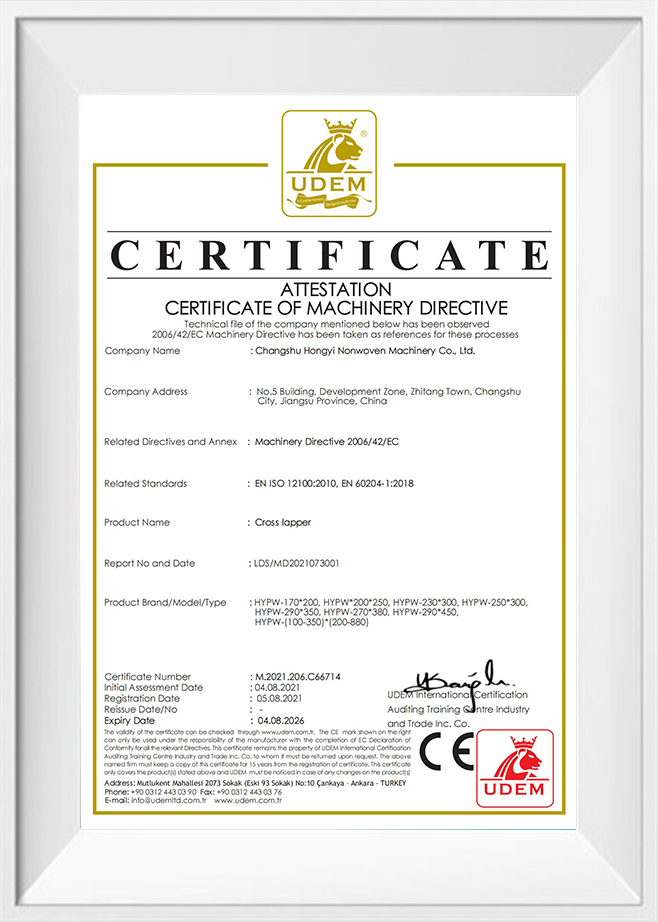
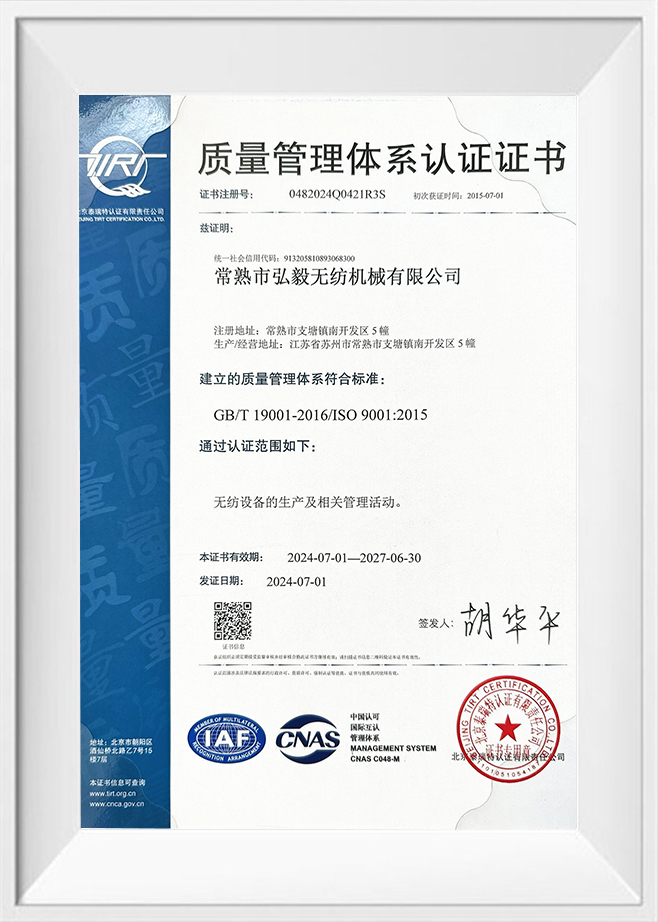
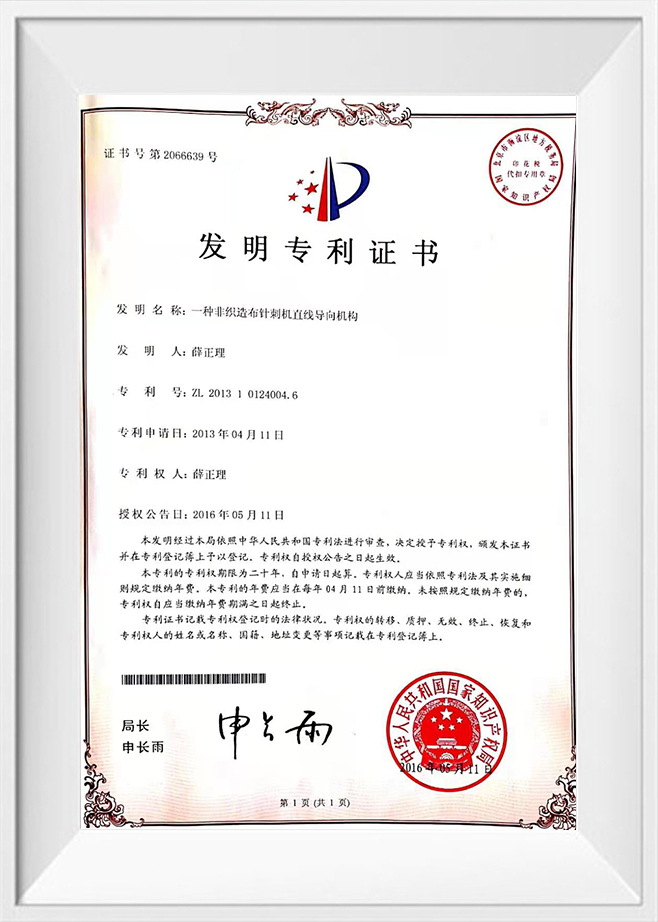
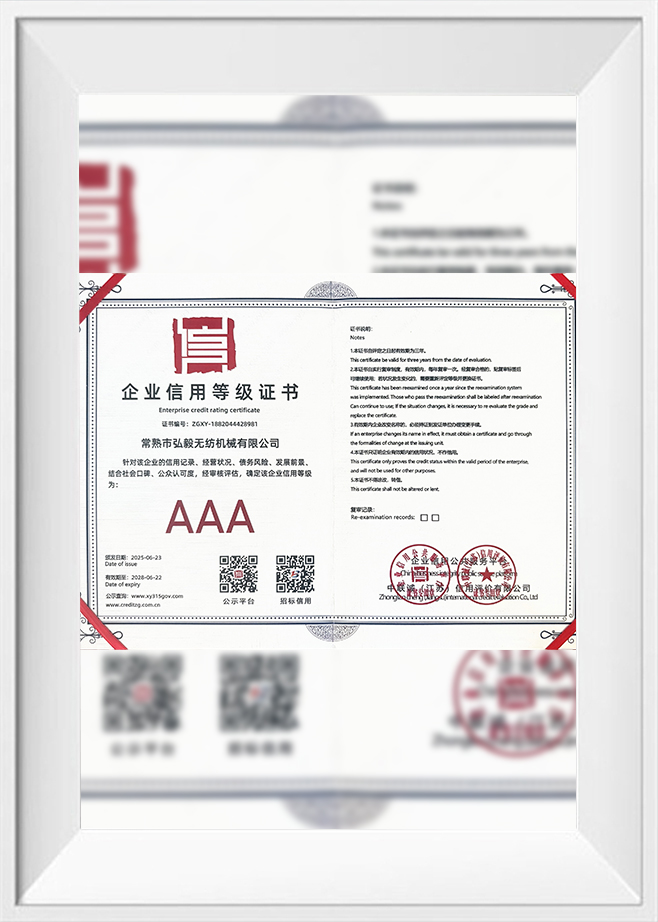
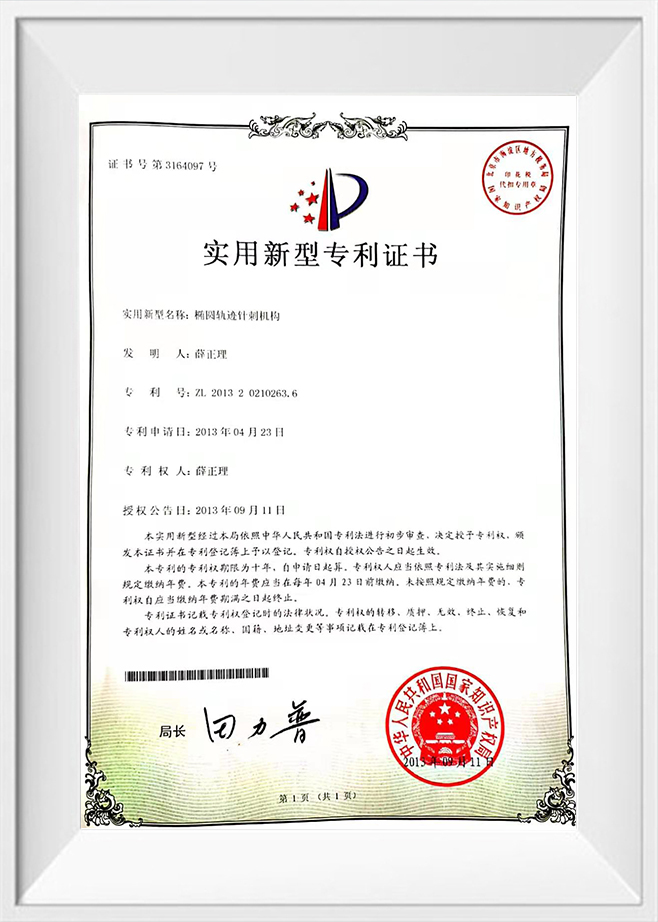
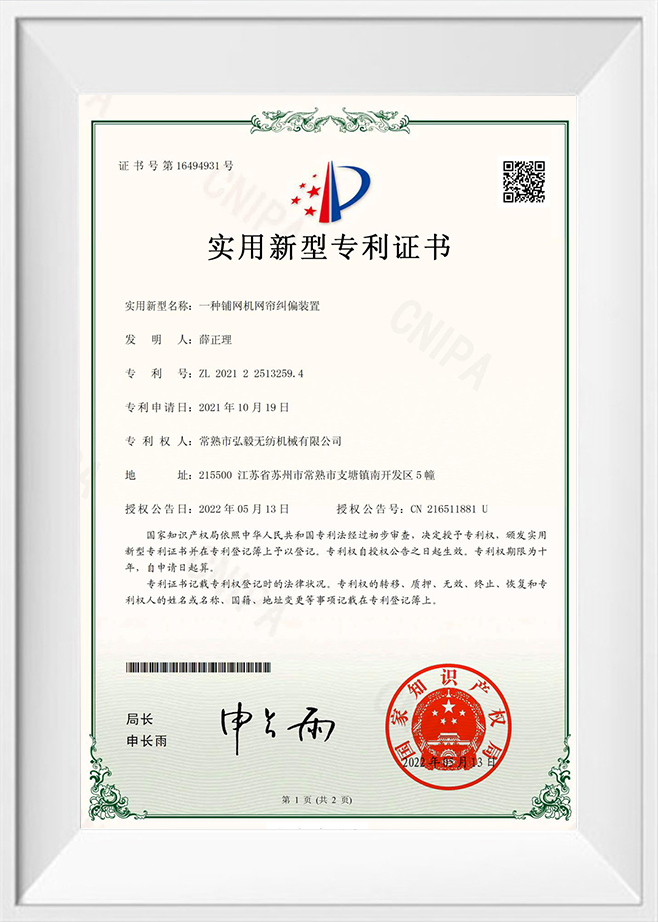
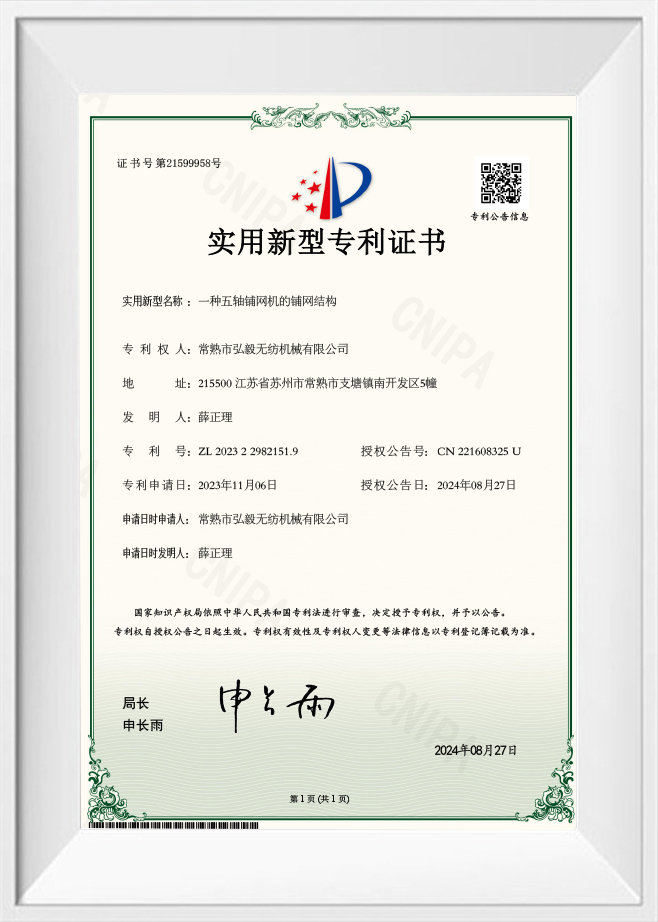
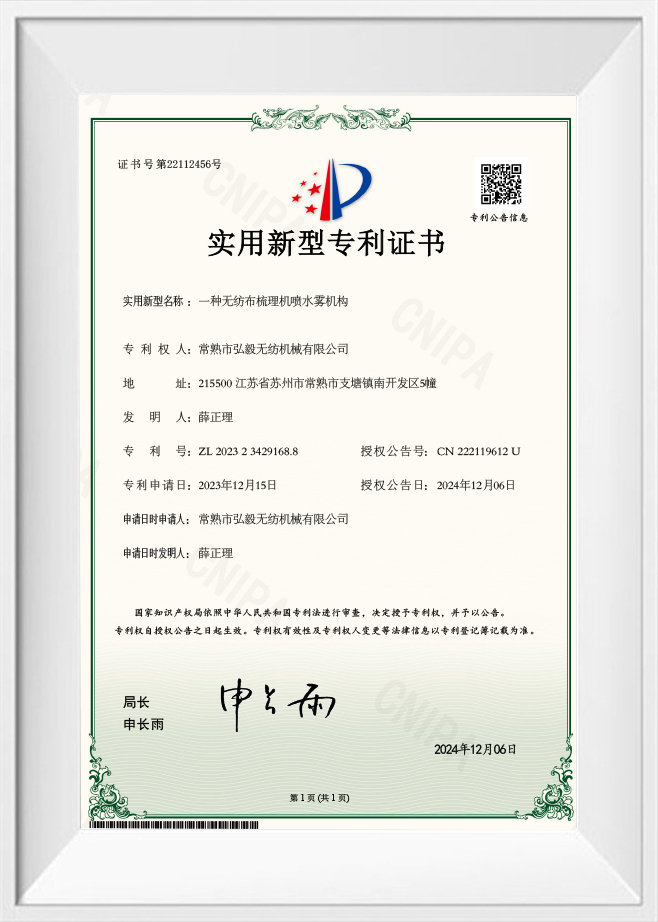
  Our Certifications