


HONGYI NONWOVEN MACHINERY is a professional non-woven machinery manufacturer in China and we can provide many kinds of complete production lines,such as needle punched geo-textile production line, non woven carpet production line, automotive interior materials production line, needle punching cleaning cloth production line, filter materials production line, synthetic leather substrate production line, wool felt or jute felt production line, stiff thermal bonding wadding production line, soft wadding/glue-free wadding production line, automatic quilts production line, etc.We can customize production lines according to the specific product needs of our clients.
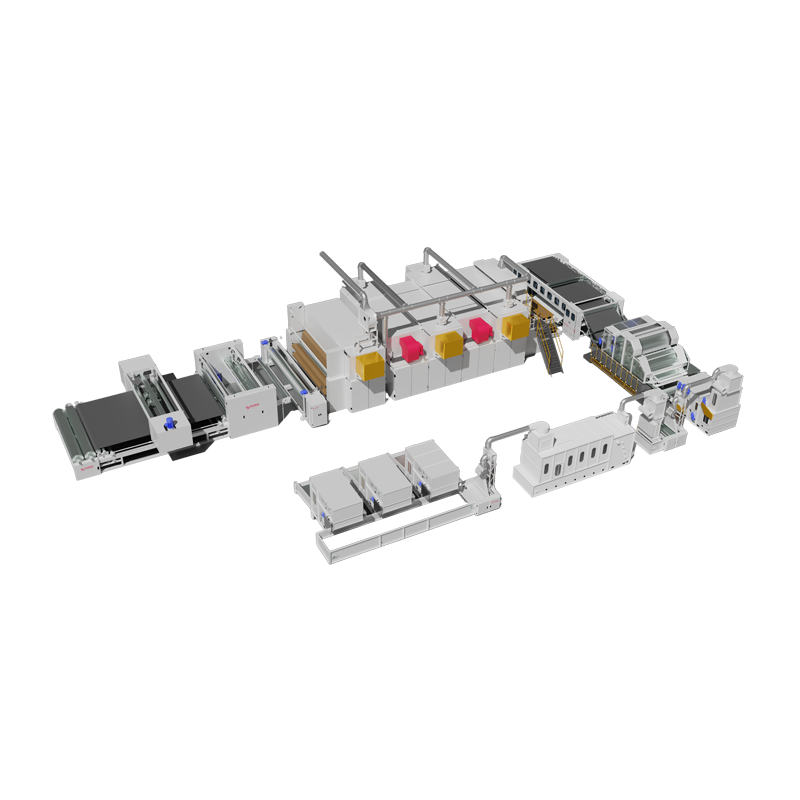
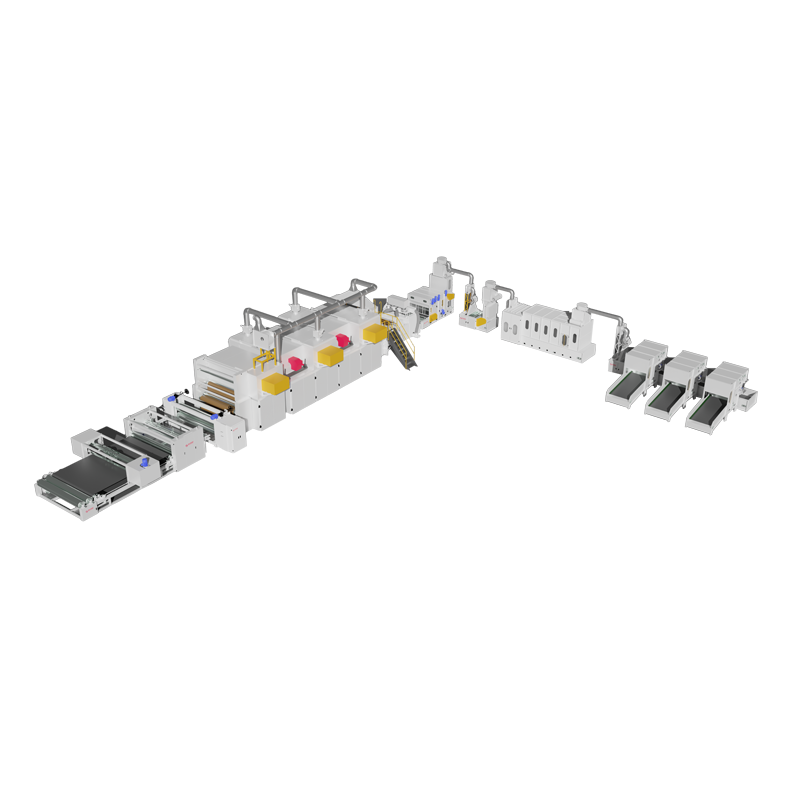
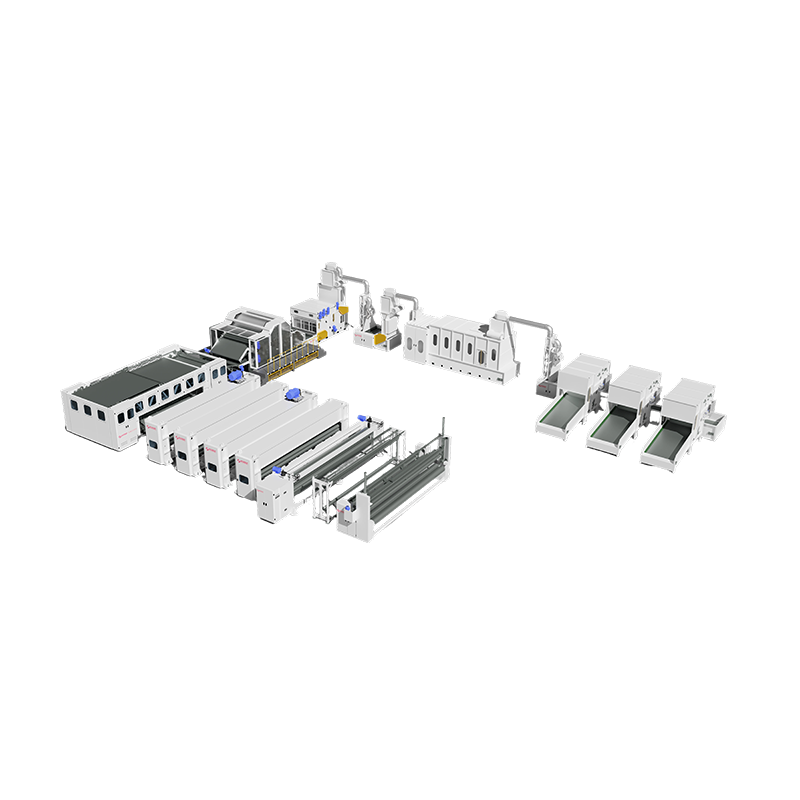
HONGYI NONWOVEN MACHINERY is a professional non-woven machinery manufacturer in China and we can provide many kinds of complete production lines,such as needle punched geo-textile production line, non woven carpet production line, automotive interior materials production line, needle punching cleaning cloth production line, filter materials production line, synthetic leather substrate production line, wool felt or jute felt production line, stiff thermal bonding wadding production line, soft wadding/glue-free wadding production line, automatic quilts production line, etc.We can customize production lines according to the specific product needs of our clients.
Guarantee High Quality With Our Expertise
We are Changshu Hongyi Nonwoven Machinery Co., Ltd., a China Nonwoven Production Line Manufacturer and
Custom Nonwoven Production Line Factory, with more than 20 years of experience in the nonwoven machinery field in CHINA.
 factory show
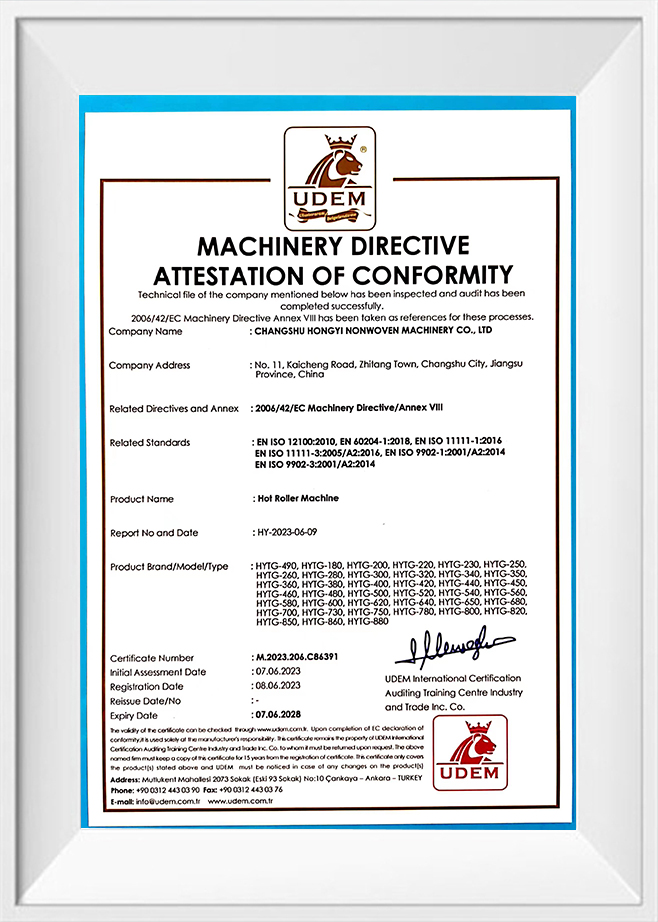
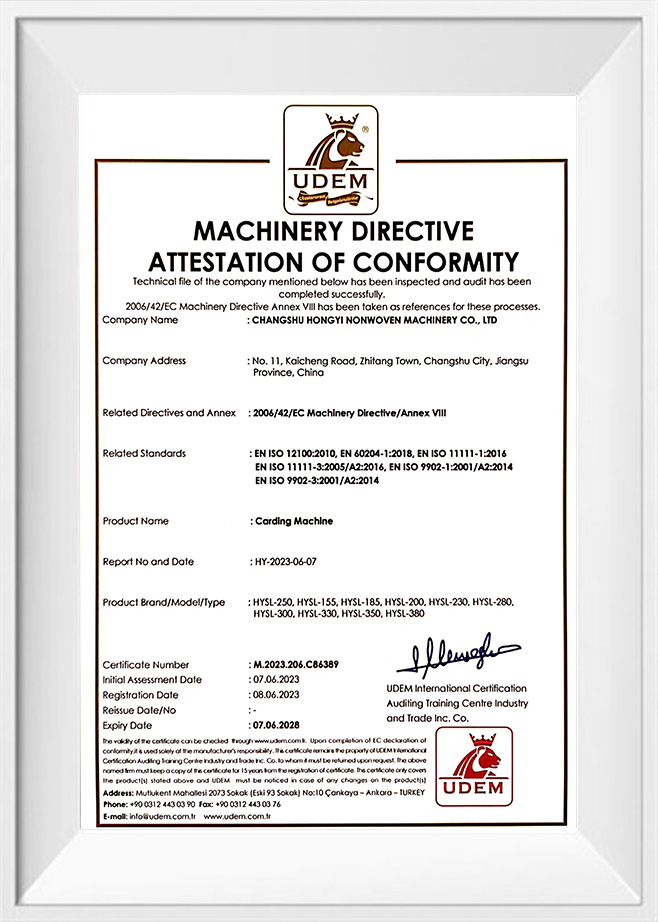
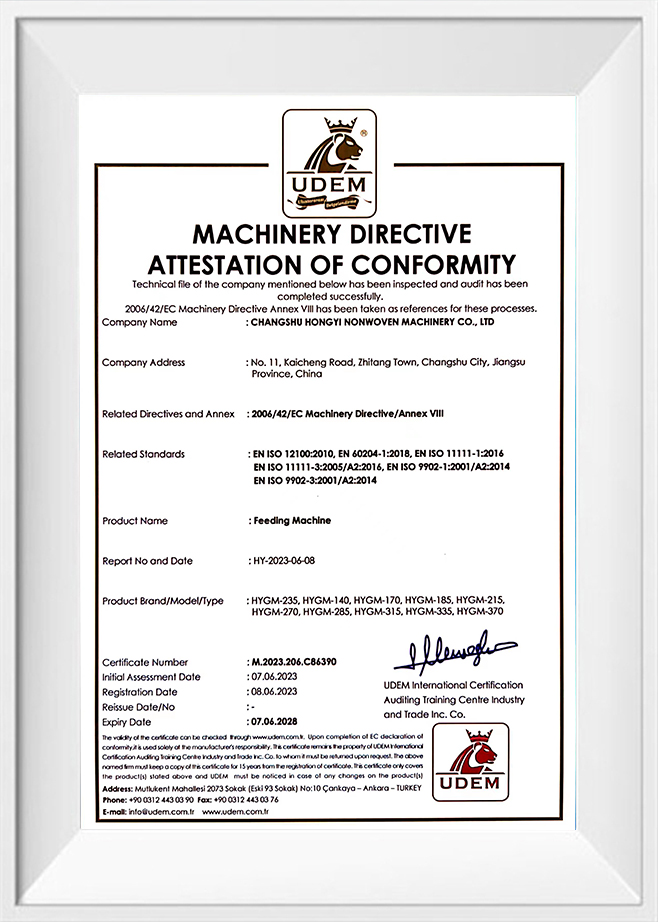
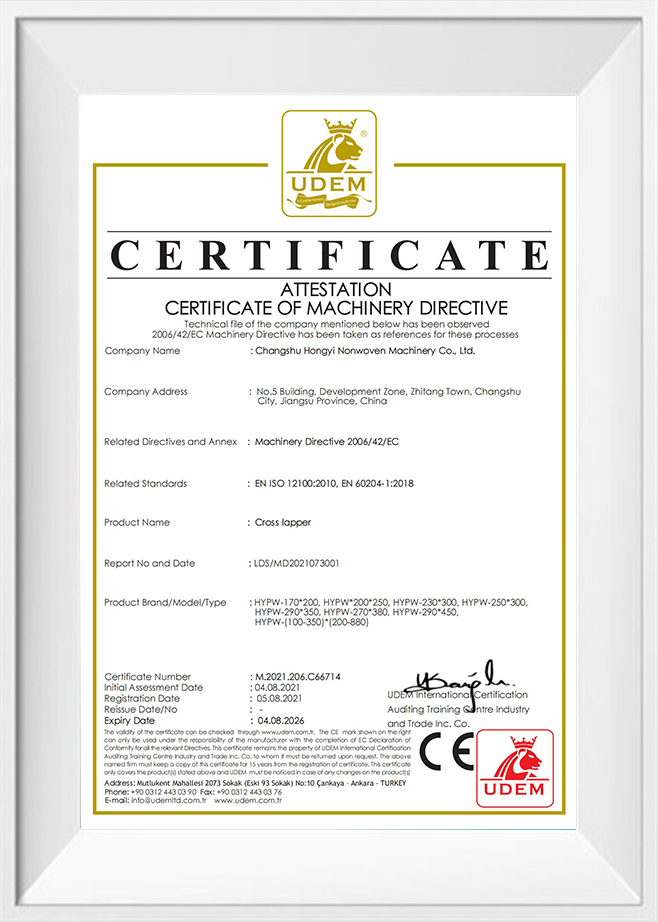
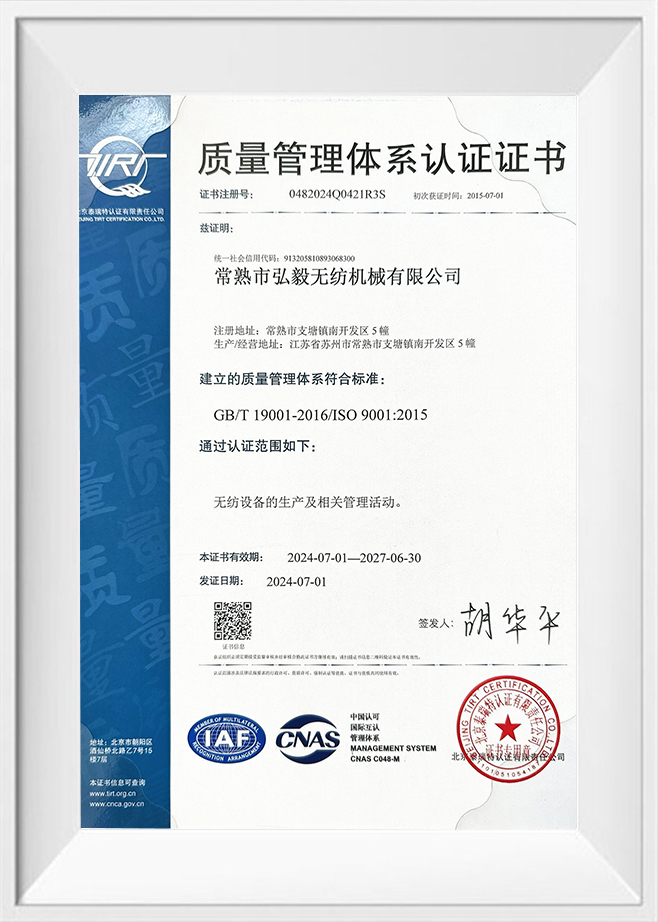
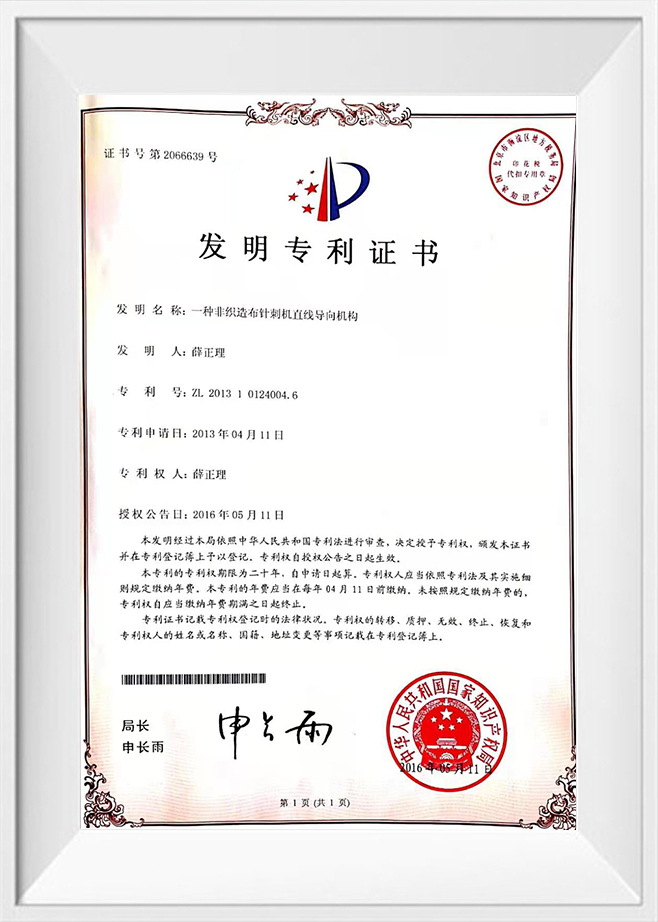
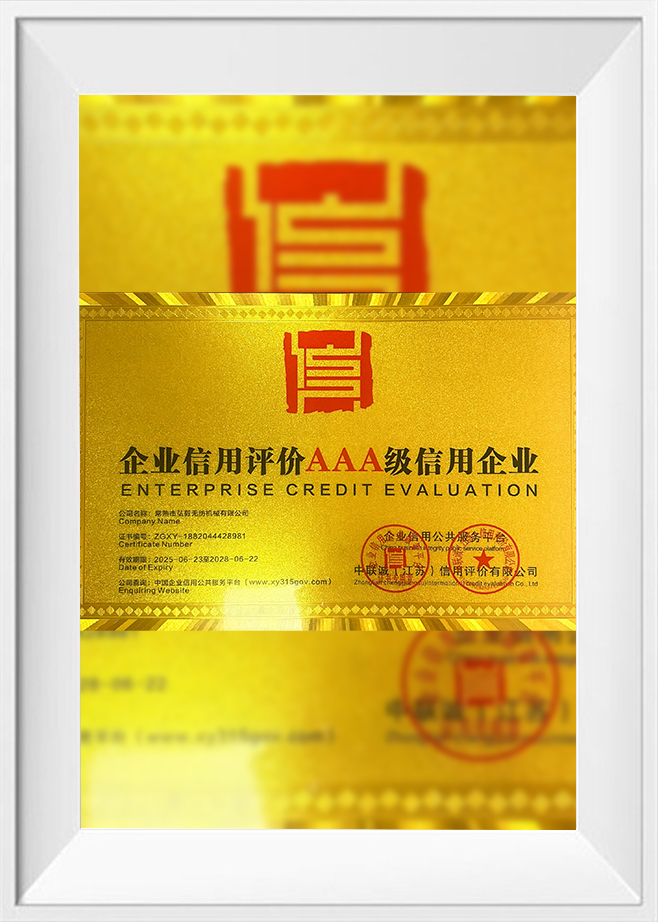
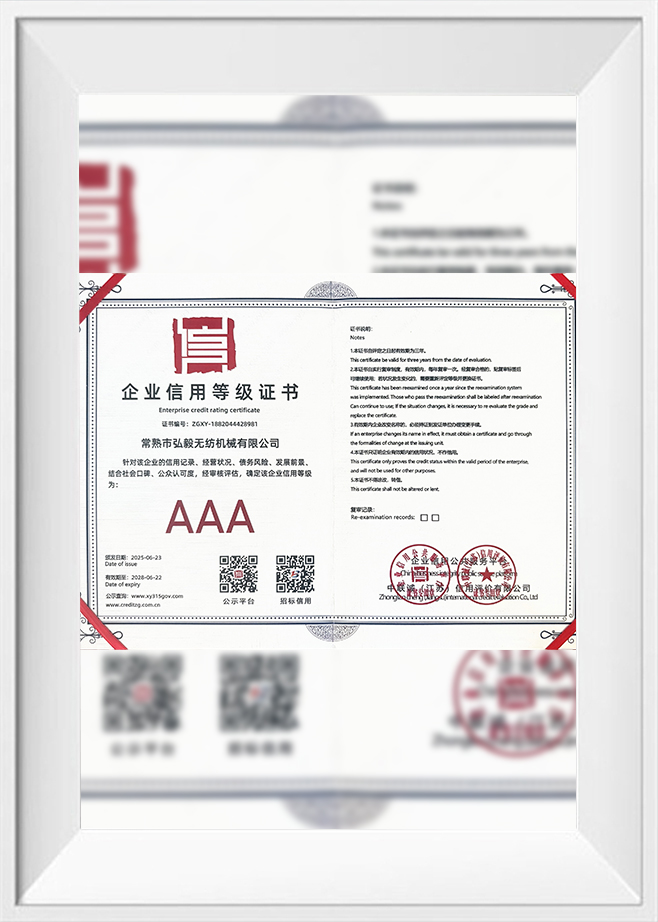
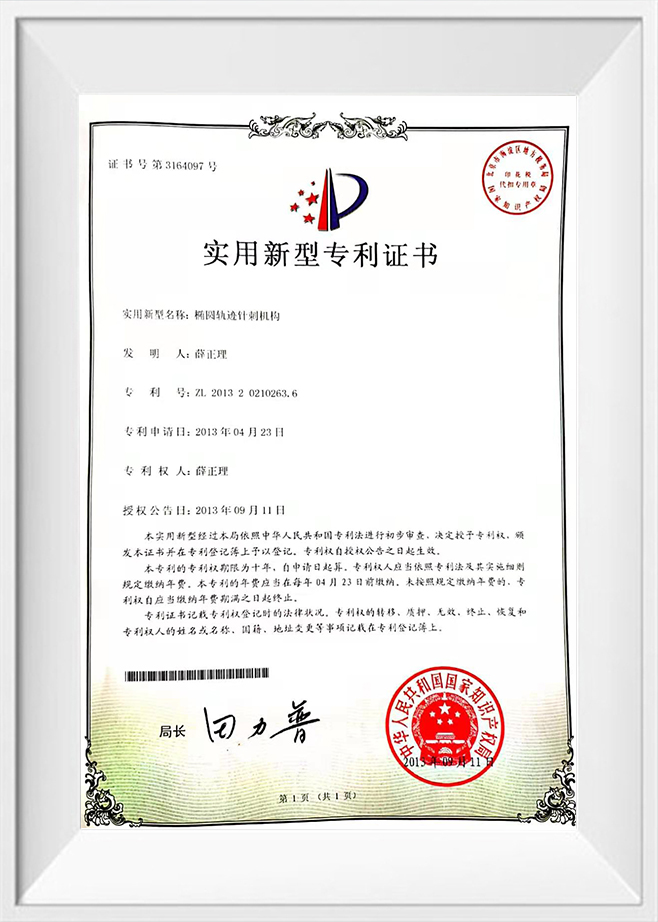
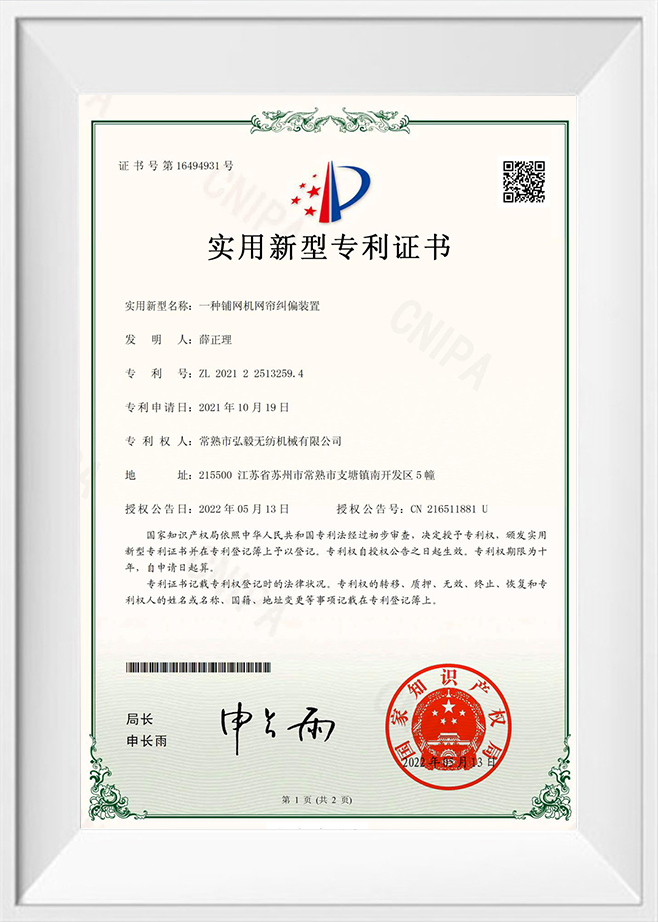
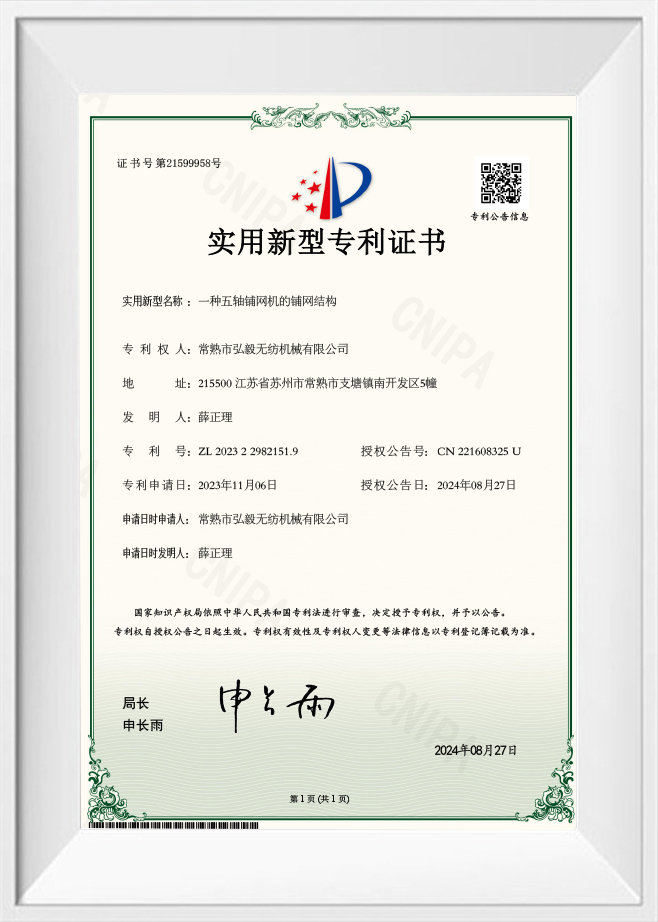
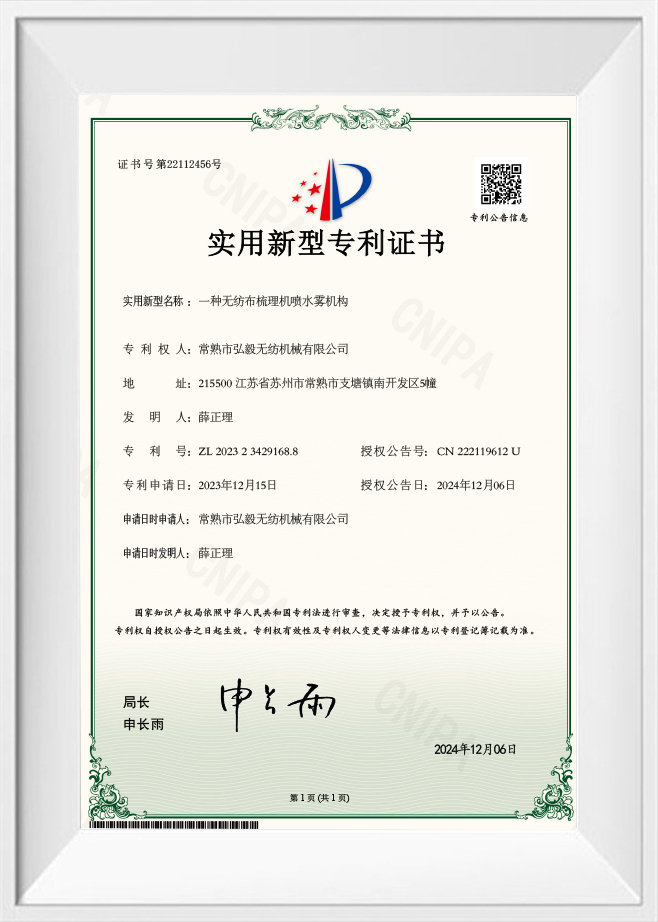
  Our Certifications
 Certificate Of Honor
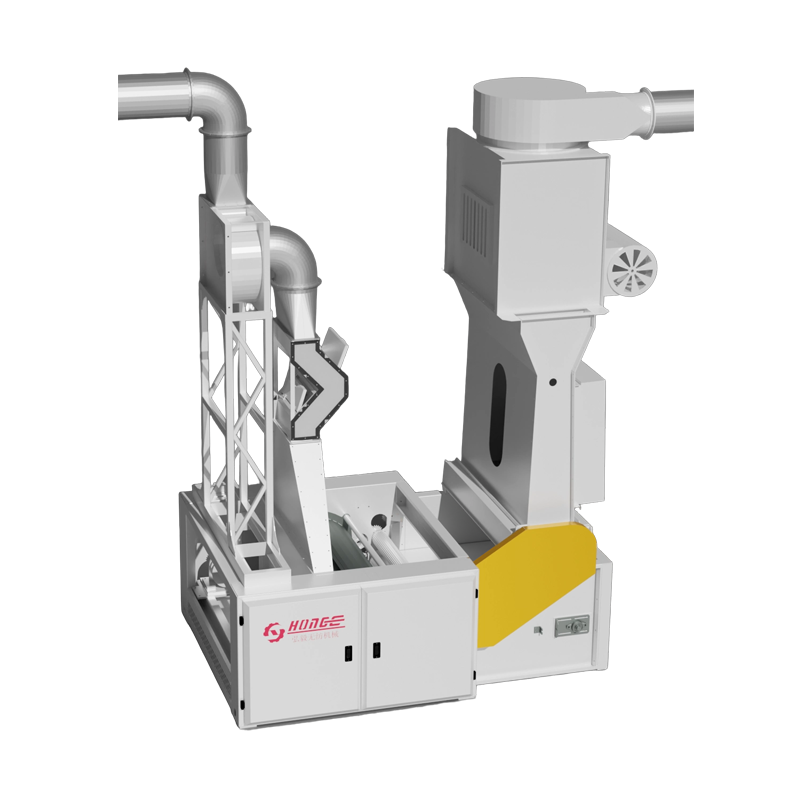
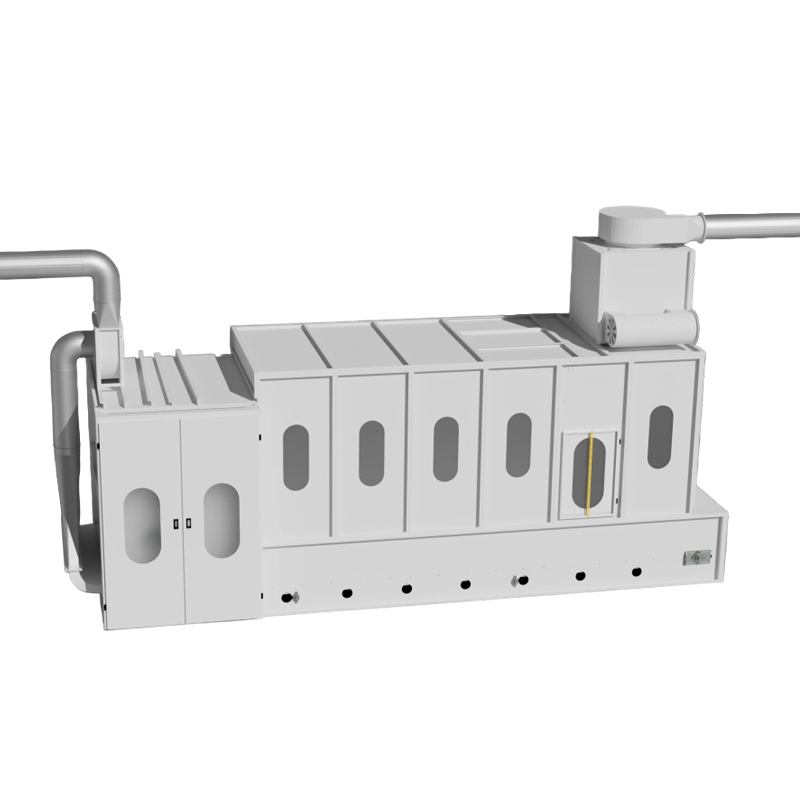
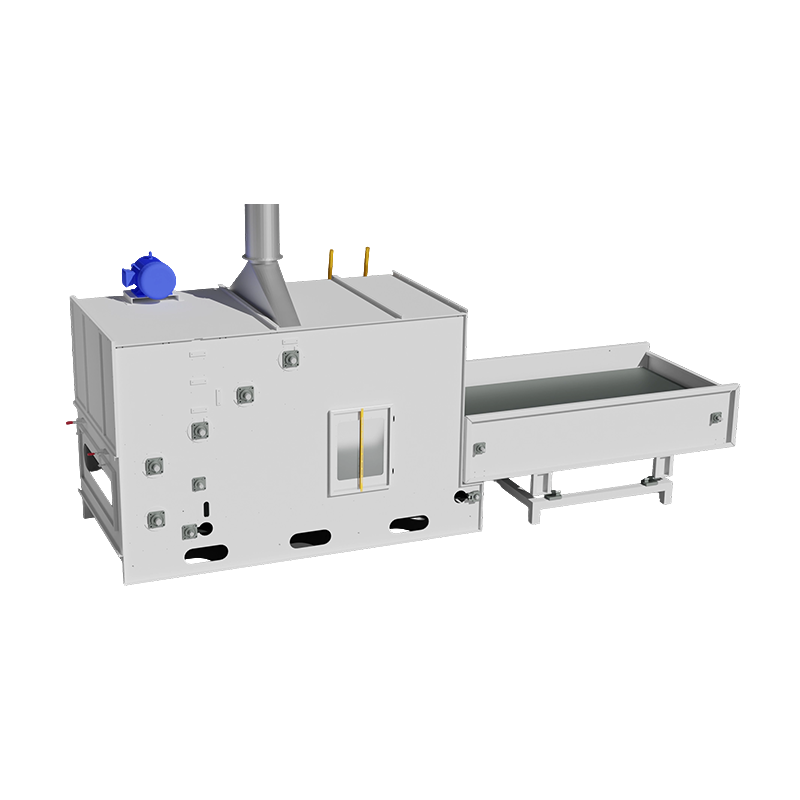
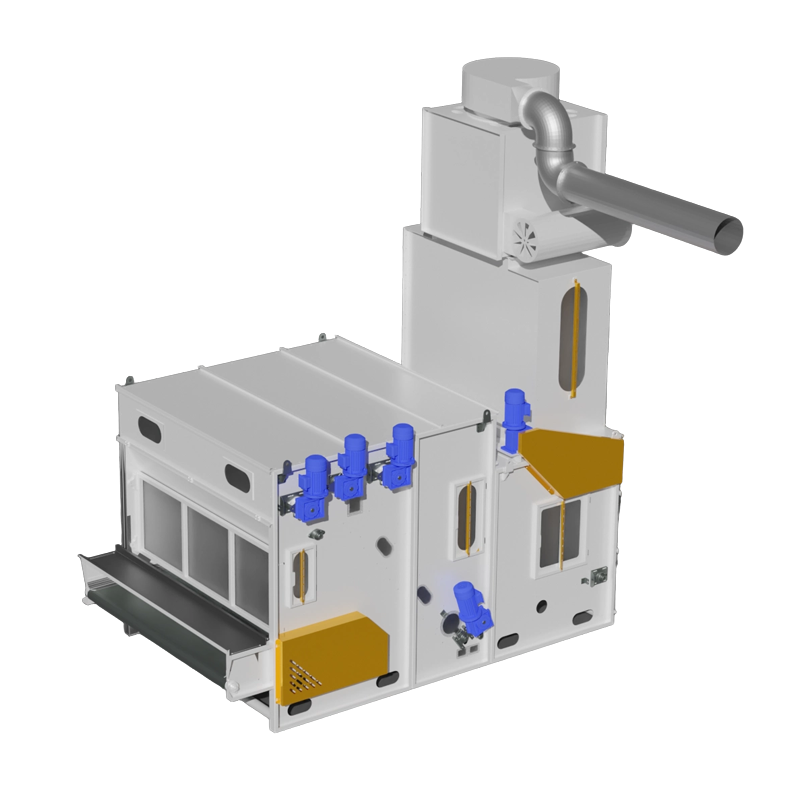
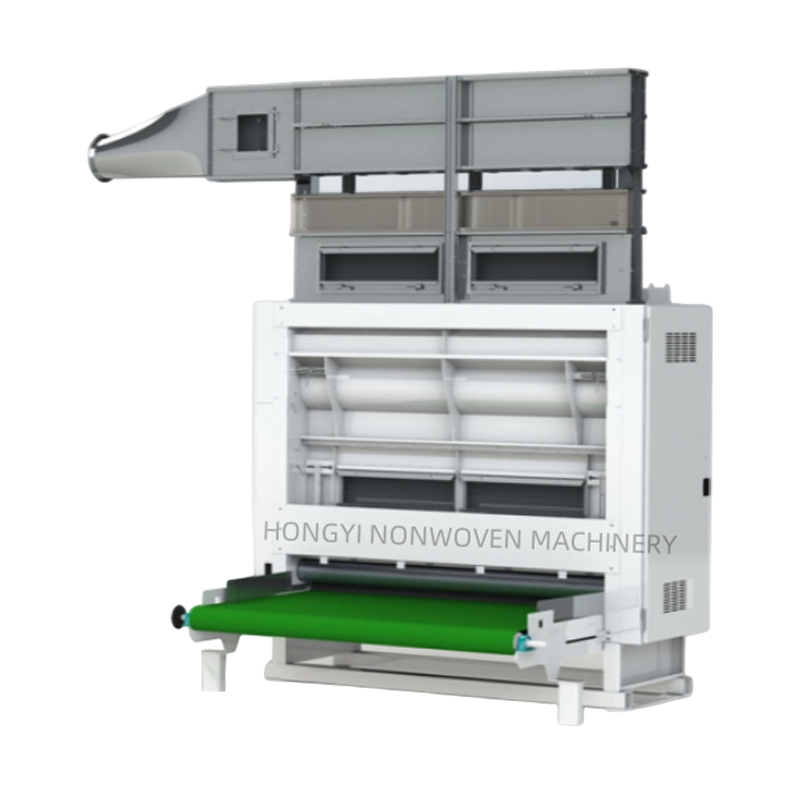
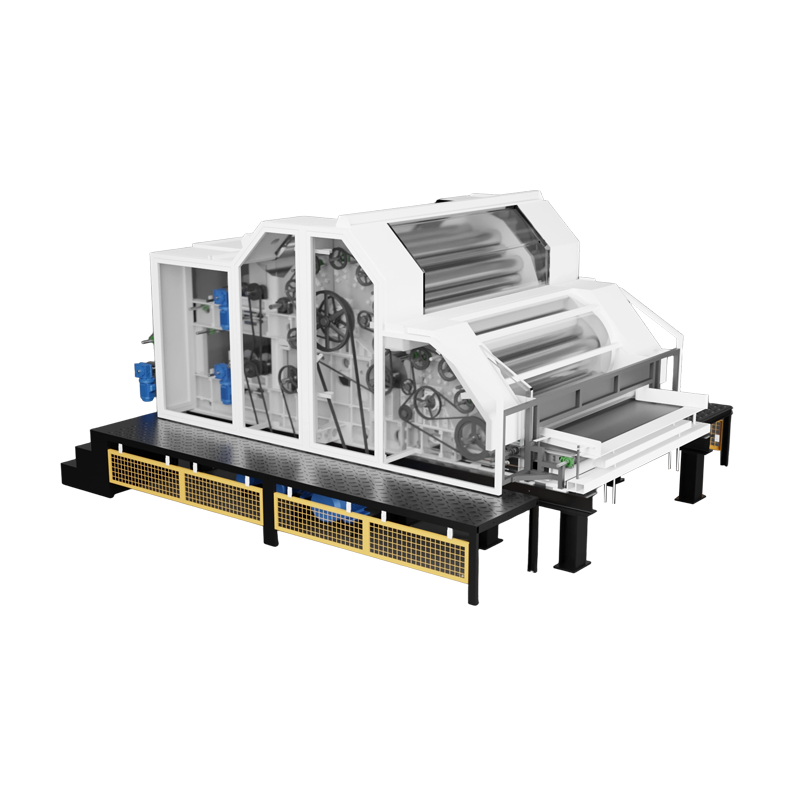


Nonwoven Fabric Production Line Industry knowledge
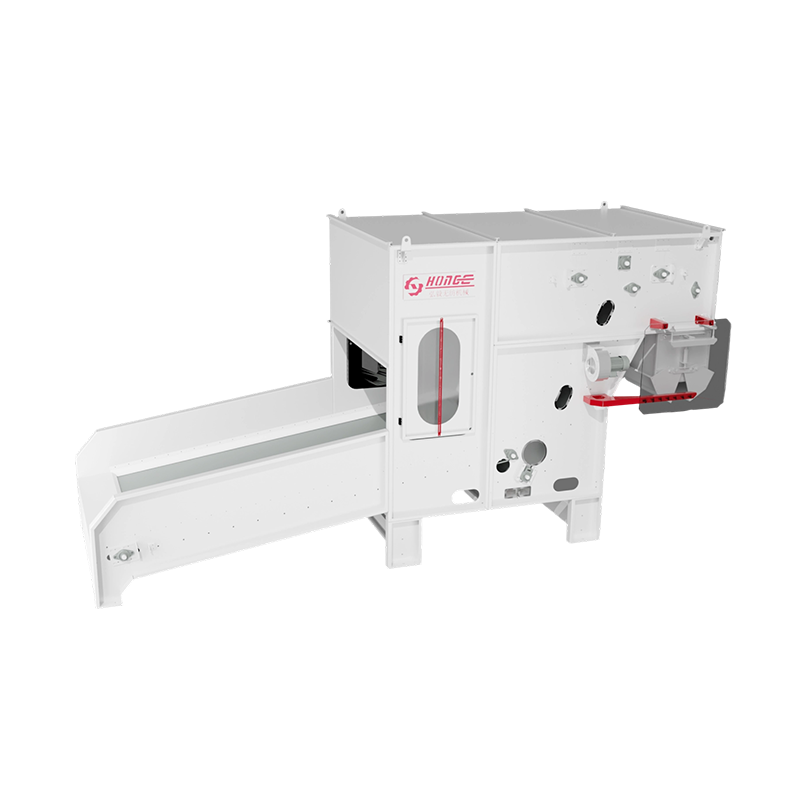
A Nonwoven Production Line is a highly integrated manufacturing system designed to transform raw fibers into functional fabric structures without the need for traditional weaving or knitting. These lines utilize mechanical, thermal, or chemical processes to bond fibers, creating materials with specific properties such as high tensile strength, filtration efficiency, and thermal insulation. Changshu Hongyi Nonwoven Machinery Co., Ltd. specializes in engineering high-performance Nonwoven Production Line solutions that prioritize automated control and energy efficiency. By integrating advanced carding, web-forming, and bonding technologies, a modern Nonwoven Production Line provides a reliable foundation for industries ranging from automotive interiors to geotextiles, ensuring consistent material density and structural integrity.
Core Equipment Principles and Technical Specifications
1. Carding Machine
Principle: The carding machine uses a series of cylinders covered with metallic wire (teeth) to open, clean, and blend raw fibers. It aligns disordered fibers into a uniform parallel web through the interaction of the main cylinder, workers, and strippers.
Highlights: Precision wire configurations ensure minimal fiber breakage while maximizing web uniformity, which is critical for high-GSM (grams per square meter) fabrics.
2. Needle Punching Machine
Principle: Thousands of barbed needles oscillate at high speeds, penetrating the fiber web. The barbs catch the fibers and carry them through the thickness of the material, creating mechanical interlocking and densification.
Highlights: HONGYI's needle looms feature balanced crank systems to reduce vibration and high-density needle boards for superior surface finishes.
3. Airlaid Machine
Principle: Instead of mechanical carding, fibers are suspended in an airflow and deposited onto a forming belt via vacuum suction. This results in an isotropic web with randomized fiber orientation, ideal for high-loft products.
4. Thermal Bonding Wadding Oven
Principle: The web passes through a controlled temperature zone where low-melt fibers soften and fuse with carrier fibers. Air circulation ensures uniform heat distribution across the entire width of the material.
Detailed Comparison: Production Line Types
| Line Type | Bonding Method | Primary Application | Key Characteristics |
|---|---|---|---|
| Needle Punched Geotextile Line | Mechanical (Needling) | Civil Engineering, Road Base | High puncture resistance, drainage permeability. |
| Automotive Interior Line | Needle Punch / Thermal | Car Carpets, Trunk Liners | Acoustic insulation, moldability. |
| Thermal Bonding Wadding Line | Thermal (Oven) | Mattresses, Garment Filling | High loft, soft hand-feel, chemical-free. |
| Airlaid Waste Felt Line | Airlay + Needling/Chemical | Furniture Pads, Sound Insulation | Recycles textile waste, cost-efficient. |
Application Case Studies
- Infrastructure: HONGYI geotextile lines have been deployed in South Asian markets (Bangladesh, Vietnam) to produce heavy-duty filtration fabrics for riverbank protection and highway construction.
- Automotive: Our specialized interior material lines provide multi-layer felts for OEMs in Brazil and Turkey, focusing on weight reduction and sound absorption.
- Household & Hygiene: Thermal bonding lines are utilized in Egypt and Algeria for high-quality upholstery wadding and eco-friendly cleaning cloths.
Maintenance and Operational Guidance
To maintain peak efficiency and longevity of the nonwoven machinery, the following protocols are recommended:
1. Routine Cleaning: Fiber accumulation in carding wires and needle boards can cause web defects. Daily removal of "fly" (loose fibers) using compressed air is essential.
2. Lubrication: High-speed moving parts, particularly in the needle punching machine's transmission case, require high-grade industrial lubricants to prevent thermal expansion and wear.
3. Needle Replacement: For needle punched lines, monitoring needle wear is vital. Dull needles lead to reduced tensile strength and uneven surface texture.
4. Oven Calibration: In thermal bonding lines, temperature sensors must be calibrated quarterly to ensure consistent bonding across the fabric width, preventing "soft spots."
Frequently Asked Questions (FAQ)
Q: What fiber types can HONGYI nonwoven lines process?
A: Our equipment is compatible with polyester (PET), polypropylene (PP), viscose, wool, jute, and recycled waste fibers. We provide customizable configurations based on the specific fiber micron and staple length.
Q: How does HONGYI ensure energy efficiency in the production line?
A: We integrate frequency inverter controls for all motors and optimize heat recovery systems in our thermal bonding ovens, significantly reducing electricity and fuel consumption compared to older generations.
Q: Can the production line be customized for specific widths?
A: Yes. Changshu Hongyi offers machine widths ranging from 1.5 meters to over 6 meters, depending on the end-product requirement, such as wide-width geotextiles or narrow cleaning cloths.
Changshu Hongyi Nonwoven Machinery Co., Ltd. | 20+ Years of Excellence in Nonwoven Technology

Be the First to Know
Contact Info
-
 No. 52, Jinxiu Avenue, Zhitang Town, Changshu City, Suzhou City, Jiangsu Province, China
-
 Landline: +86-0512-52860355
-
General Manager: +86 139 0157 3644
-
Sales Manager: +86-152 6251 3303
-
Sales: +86-189 6235 9051
-
 [email protected]
Copyright © Changshu Hongyi Nonwoven Machinery Co., Ltd. All Rights Reserved.
China Nonwoven Production Line Manufacturer
Custom Nonwoven Production Line Factory

