


 factory show
  Our Certifications
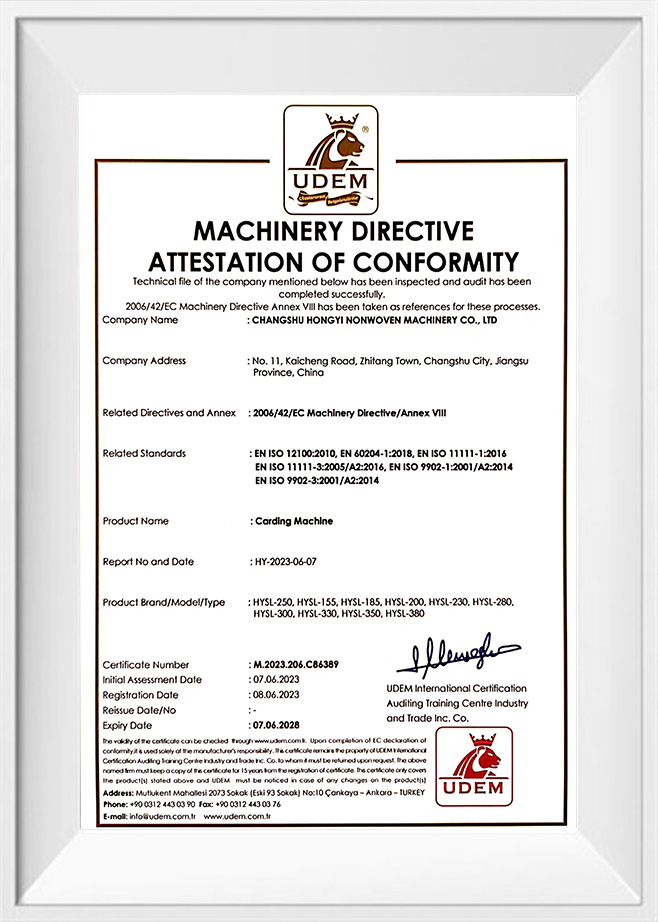
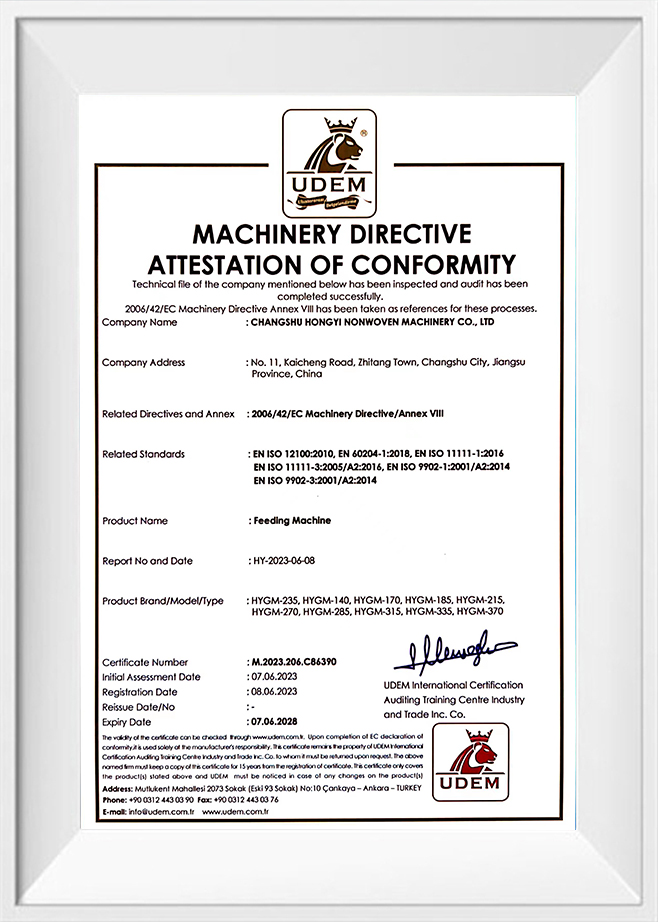
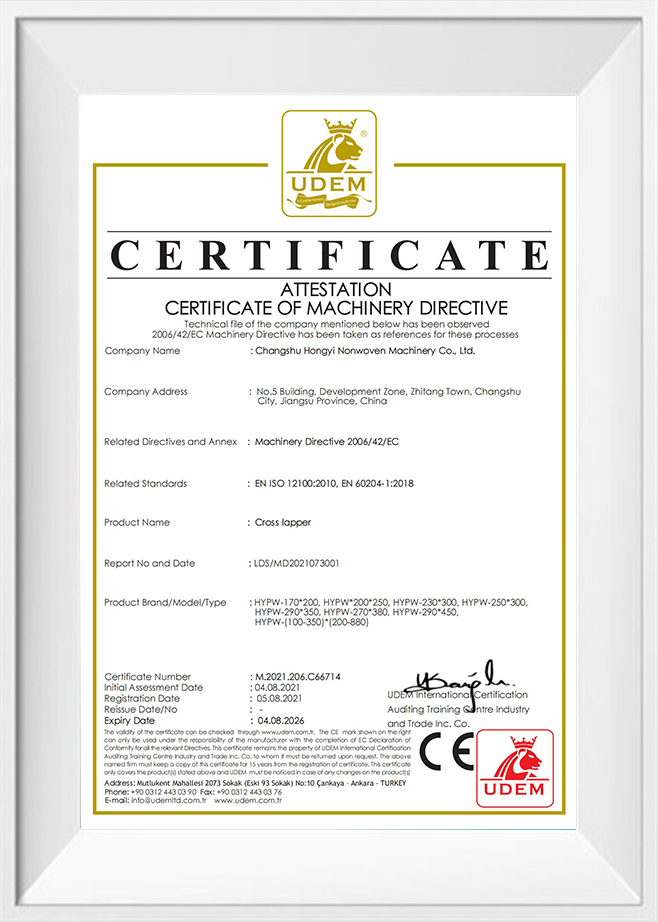
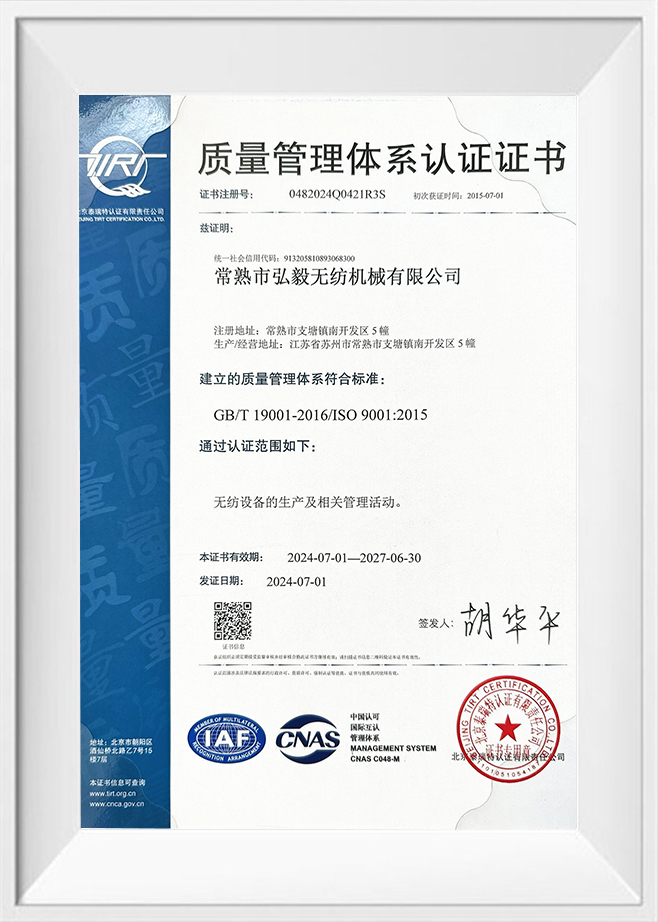
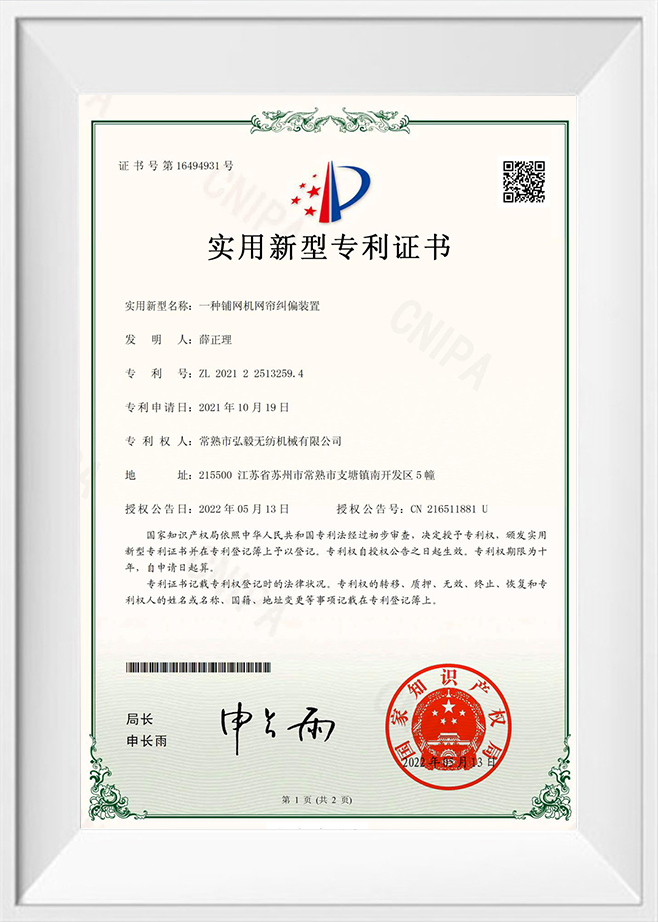
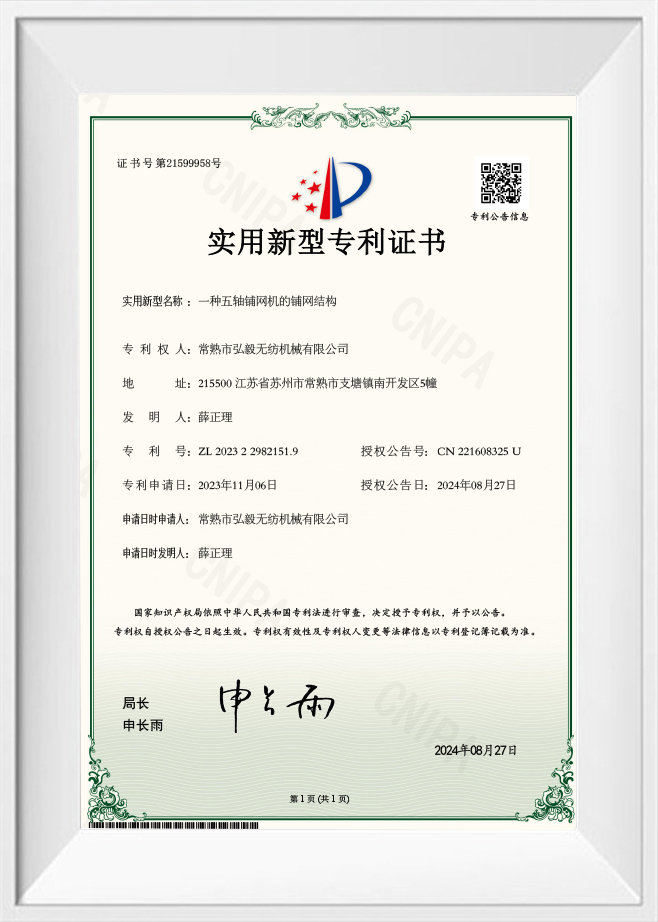
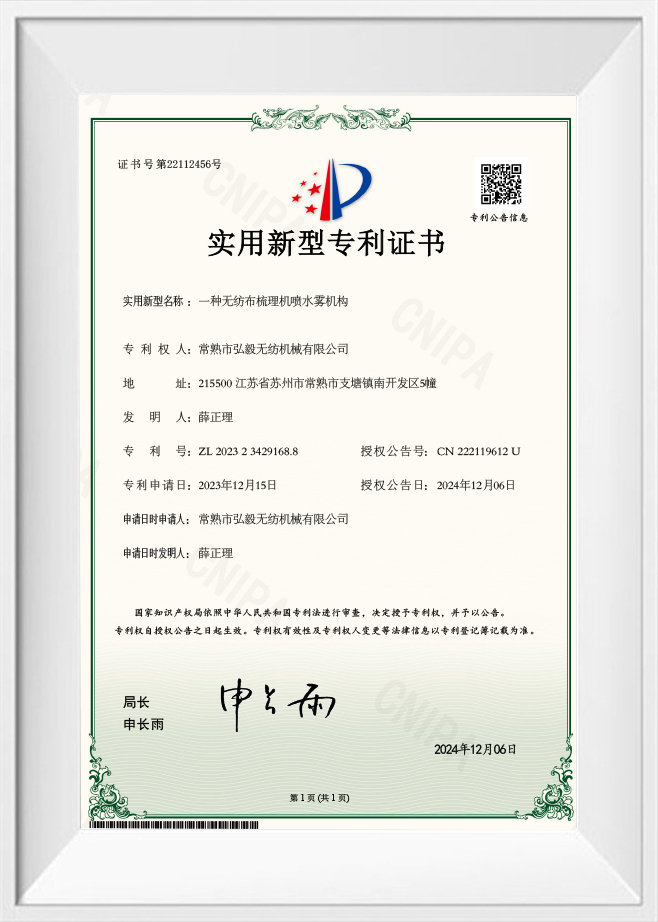
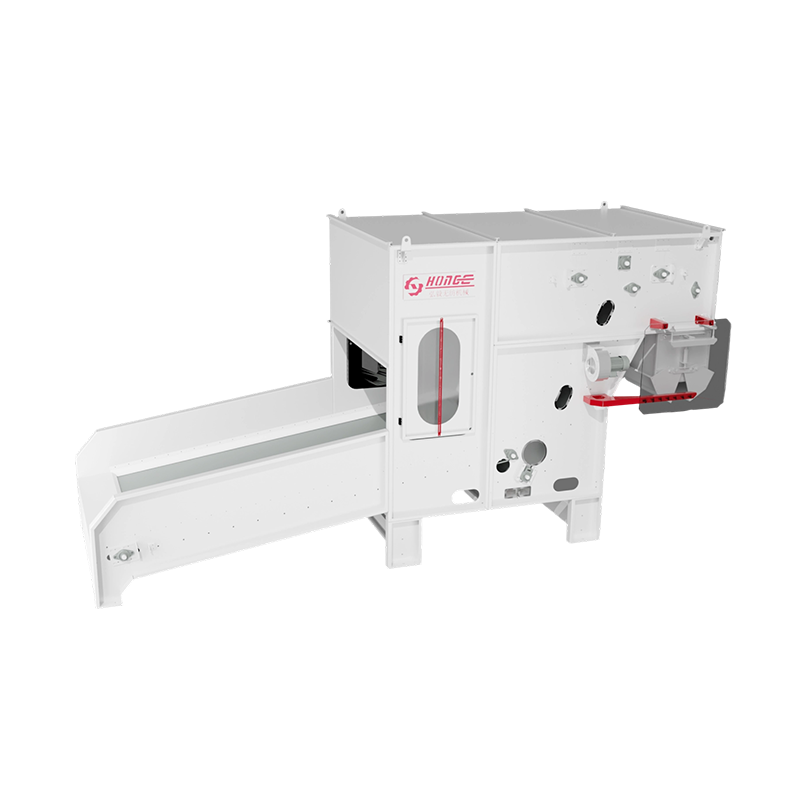
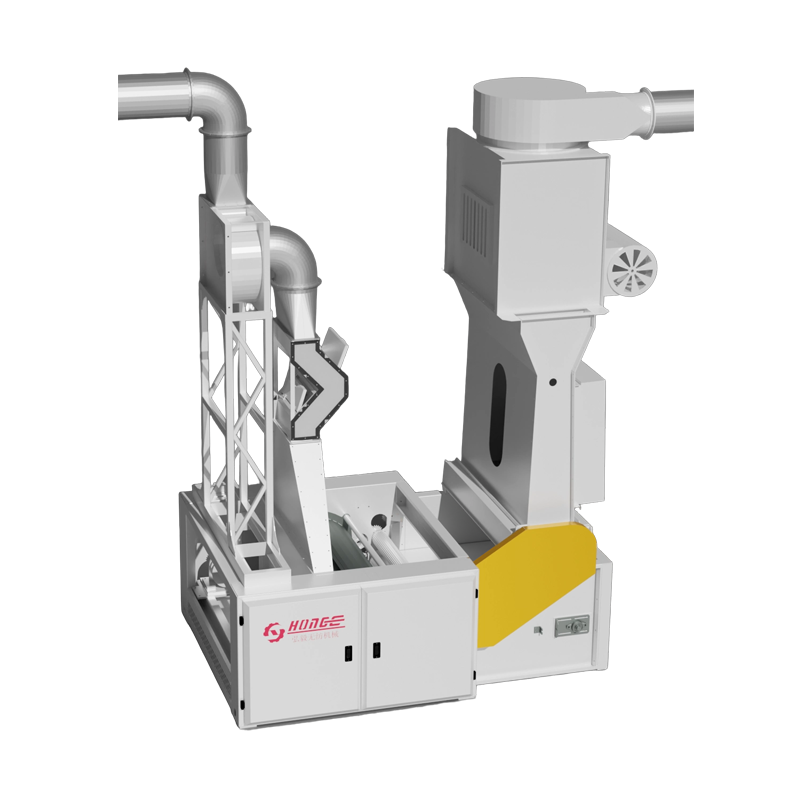
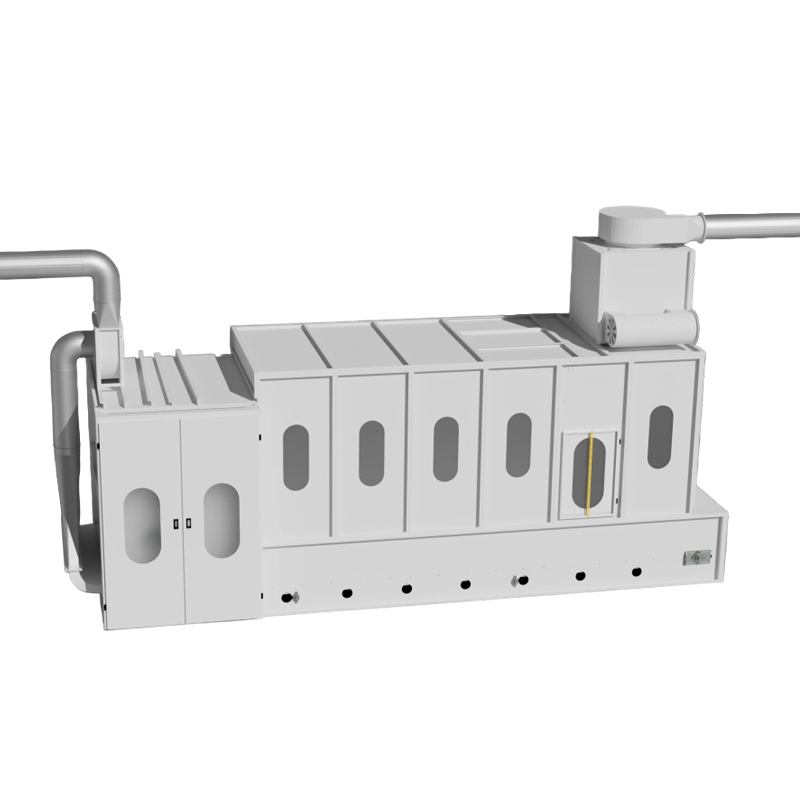
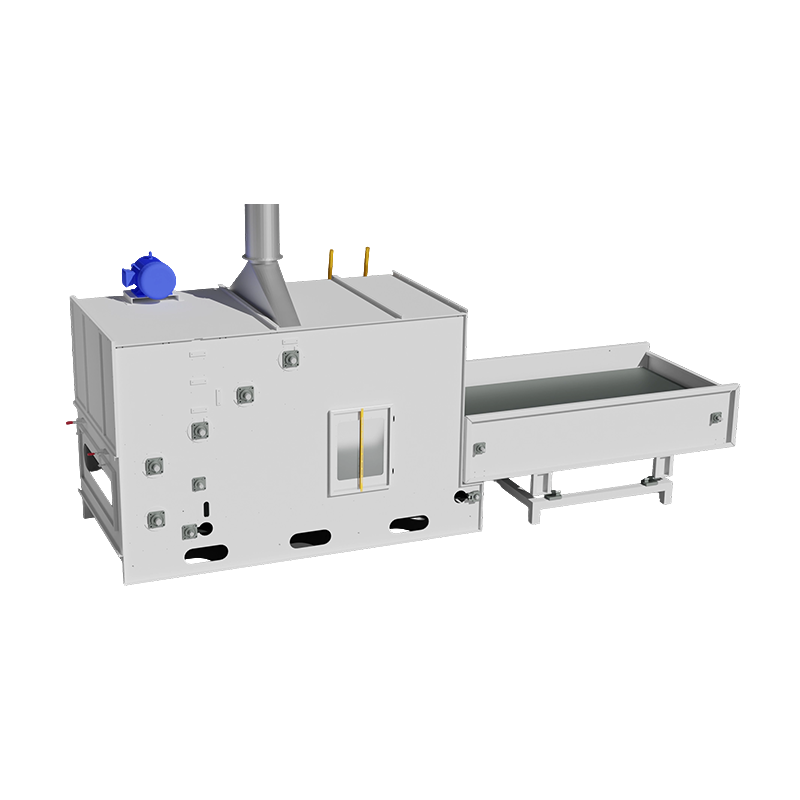


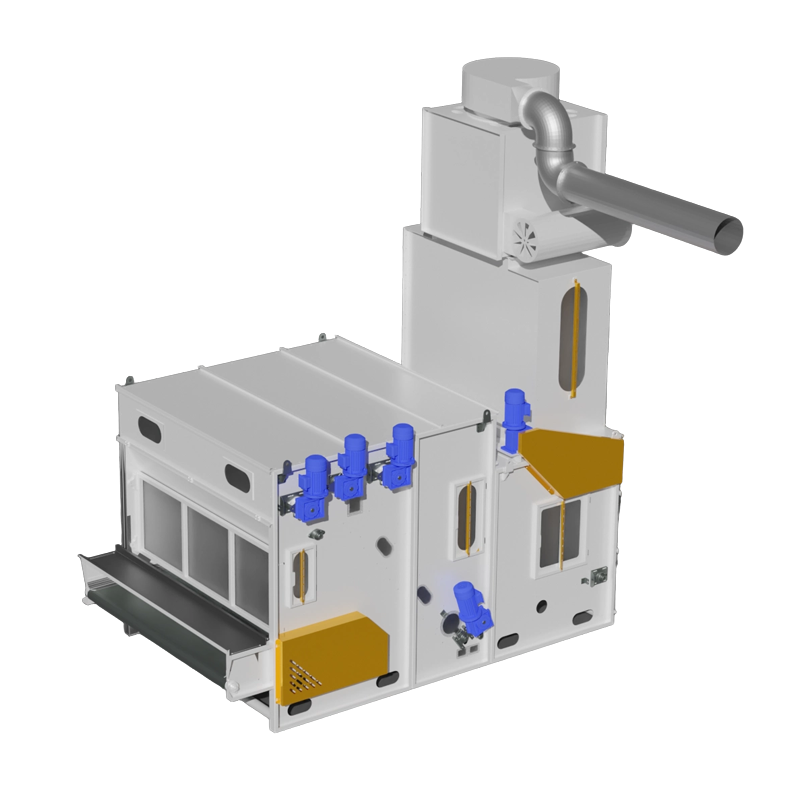
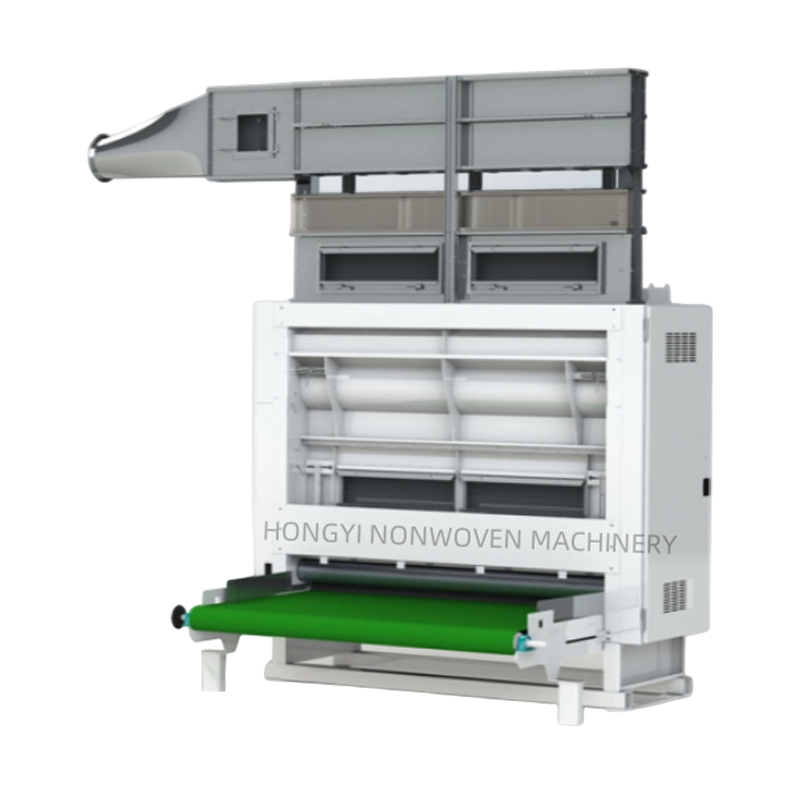
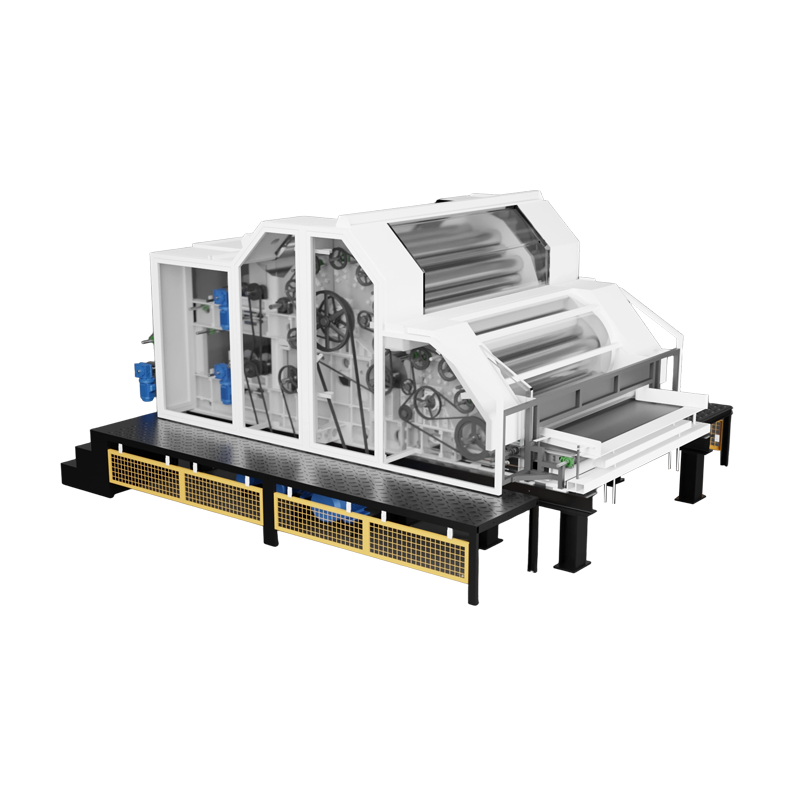
Feeding & Carding Equipment serves as the foundational stage of the nonwoven fabric manufacturing process, responsible for the initial opening, blending, and precise fiber web formation. These machines are engineered to transform raw, baled fibers into a uniform, cohesive web that dictates the weight, density, and physical properties of the final product. Feeding & Carding Equipment provided by Changshu Hongyi Nonwoven Machinery Co., Ltd. integrates advanced mechanical precision with automated control systems to ensure consistent fiber distribution across diverse materials, including synthetic, natural, and recycled fibers. By optimizing fiber orientation and removing impurities, high-performance Feeding & Carding Equipment enhances the efficiency of downstream processes such as needle punching or thermal bonding, making it a critical asset for high-quality nonwoven production lines.
Core Equipment Principles and Technical Mechanics
1. Fiber Feeding Systems (Hopper Feeders)
The primary principle of the feeding system is Volumetric or Gravimetric regulation. Raw fibers are loaded into a large hopper where an inclined spiked lattice carries the fibers upward. An evener roller strips away excess material to ensure a constant volume is delivered to the carding stage.
2. Carding Machines
The carding process utilizes Mechanical Combing via wire-clothed cylinders. As fibers pass between the main cylinder and the worker/stripper rollers, the different surface speeds and wire angles comb the fibers into a parallel or randomized arrangement, depending on the desired web structure. This process is essential for breaking down fiber tufts into individual filaments.
Detailed Equipment Comparison
| Feature | Standard Carding Machine | High-Speed Double Cylinder Card | Airlaid Feeding System |
|---|---|---|---|
| Fiber Type | Polyester, PP, Viscose | Fine denier, Microfibers | Recycled waste, Short fibers |
| Web Uniformity | High | Excellent (Precision) | Moderate (Isotropic) |
| Output Speed | 20-40 m/min | Up to 80+ m/min | Variable |
| Key Benefit | Versatile & Reliable | Industrial Mass Production | Waste material utilization |
Industrial Applications & Case Studies
- Automotive Interiors: Utilizing Hongyi carding machines to process needle-punched felt for trunk liners and headliners in the Turkish and Brazilian markets.
- Geotextiles: Implementation of heavy-duty feeding systems to handle high-denier fibers for road construction fabrics in Southeast Asia.
- Hygienic Products: Precision carding for thermal bonding lines producing soft, uniform wadding for medical and filtration use.
Maintenance and Operational Longevity Guide
To maintain the reliability and efficiency of HONGYI equipment, a structured maintenance schedule is recommended:
- Wire Inspection: Regularly check the carding wire for wear or damage. Dull wire reduces combing efficiency and increases fiber breakage.
- Lubrication: Ensure high-speed bearings in the cylinders and rollers are lubricated every 500 operating hours to prevent thermal friction.
- Cleaning: Remove accumulated fiber dust from the spiked lattice and stripping rollers daily to prevent material wrapping and motor strain.
- Sensor Calibration: Calibrate the automatic feeding sensors monthly to maintain consistent GSM (grams per square meter) in the final web.
Frequently Asked Questions (FAQ)
Q: How does the feeding system affect the final fabric weight?
A: The feeder controls the volume of fiber entering the card. Changshu Hongyi uses precision weighing or volumetric controls to ensure that the input remains constant, preventing thin spots or heavy patches in the finished nonwoven roll.
Q: Can these machines handle recycled fibers?
A: Yes. Our equipment is designed with customizable wire types and spiked lattice configurations specifically to manage the shorter staple lengths often found in recycled waste felt production lines.
Q: What is the lifespan of the carding wire?
A: Depending on the fiber type (natural vs. abrasive synthetic), the wire typically lasts between 12 to 24 months. Proper cleaning and maintenance significantly extend this period.