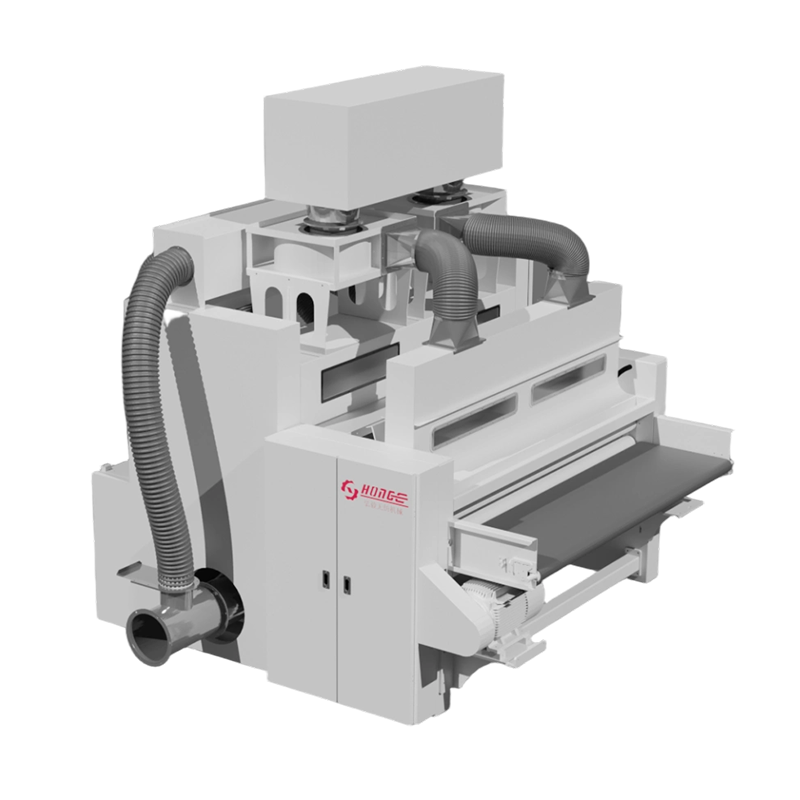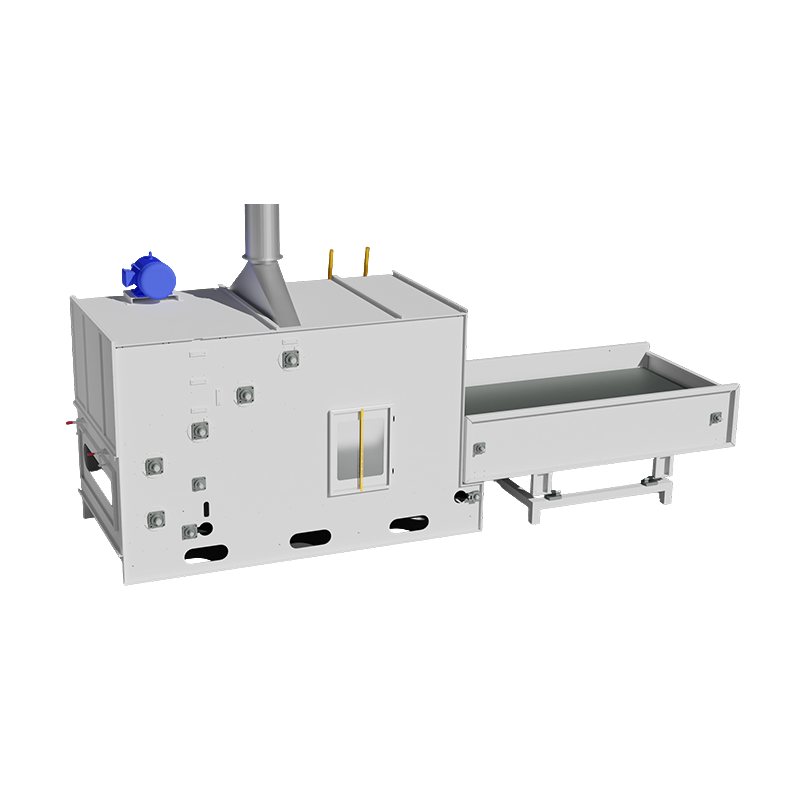


Content
A 3.5 m needle punching line running at 650 strokes per minute develops a faint dark line across the felt on a Tuesday morning. Two hours later the line stops, the needle board comes out, and 14 needles are found with broken barbs. The needle supplier is not the problem. A worn stripper plate, a gap that had drifted by 0.4 mm, and an oil mist line nobody had touched since the last shutdown are.
That failure is preventable. A needle punching machine stays productive when maintenance is a fixed routine rather than a repair activity: inspect the needle zone every shift, hold penetration depth and plate gaps to measured values, keep lubrication and air supply inside specification, and log every needle board change so wear trends become visible. The sections below set out what to check, how often, and which tolerances actually matter on a running line.
Start With Five Checks Every Shift
Most needle punching faults announce themselves long before they produce reject fabric. A shift-level check takes less than fifteen minutes and catches the majority of them. Confirm the final values against your machine manual, because a 76 mm (3 inch) needle loom and a shorter-stroke loom have different limits.
- Needle zone walk-through: look for broken or bent needles, loose needle board clamps, felt edge damage, and freshly polished metal where a needle has been rubbing the stripper plate.
- Penetration depth: measure it, do not trust the dial. On a typical 76 mm needle, working penetration sits around 8 to 14 mm; a drift beyond roughly 0.3 mm changes both fabric strength and surface appearance.
- Stripper and bed plate gap: a feeler gauge check across the full working width. A uniform 0.2 to 0.5 mm is a common starting band, and any local variation wider than about 0.05 mm is a warning sign.
- Lubrication status: oil level and oil pressure or mist setting for the eccentric shaft, plus the condition of the oil in the sight glass. Milky or darkened oil means water ingress or overheating.
- Air and extraction: hold-down pressure normally sits around 5 to 6 bar, and dust extraction must stay clear. A partly blocked extraction duct raises needle temperature and shortens needle life quietly.
Needle Board and Needle Care Decide Machine Life
Needles are consumables; needle boards are not. The board carries the alignment that keeps every needle square to the bed plate, so treat it like a precision part. Store spare boards flat and covered, never stacked on a workshop floor, and move them with a lifting frame rather than by hand. When a board is refitted, tighten the retaining bolts in the sequence and to the torque given in the manual, then re-check that torque after the first 100 operating hours.
On the needle side, work by type rather than by count. A felt line may run 15x18x25x3.5 R222 or R333 needles for general needling and a heavier gauge such as 15x18x36x3.5 when higher density is required, and each type wears at a different rate. Replace a needle when the barbs are rounded, the tip is blunt, or the shank is bent, not only when it breaks. Keep a simple tally of needles replaced per 100 operating hours: a sudden rise usually points to incorrect penetration depth, over-tensioned web, or a plate gap that has closed up.
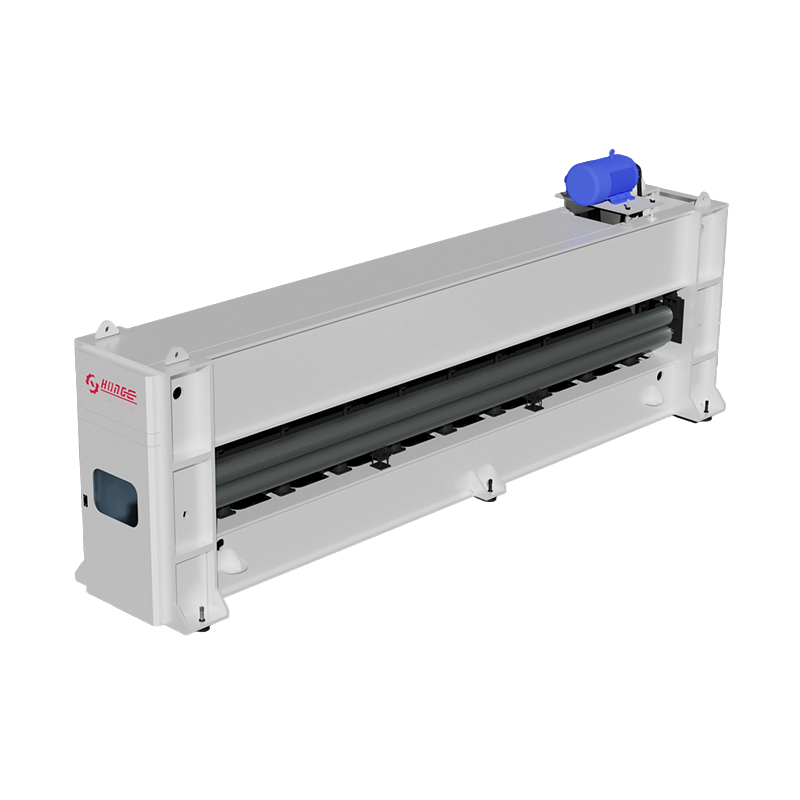
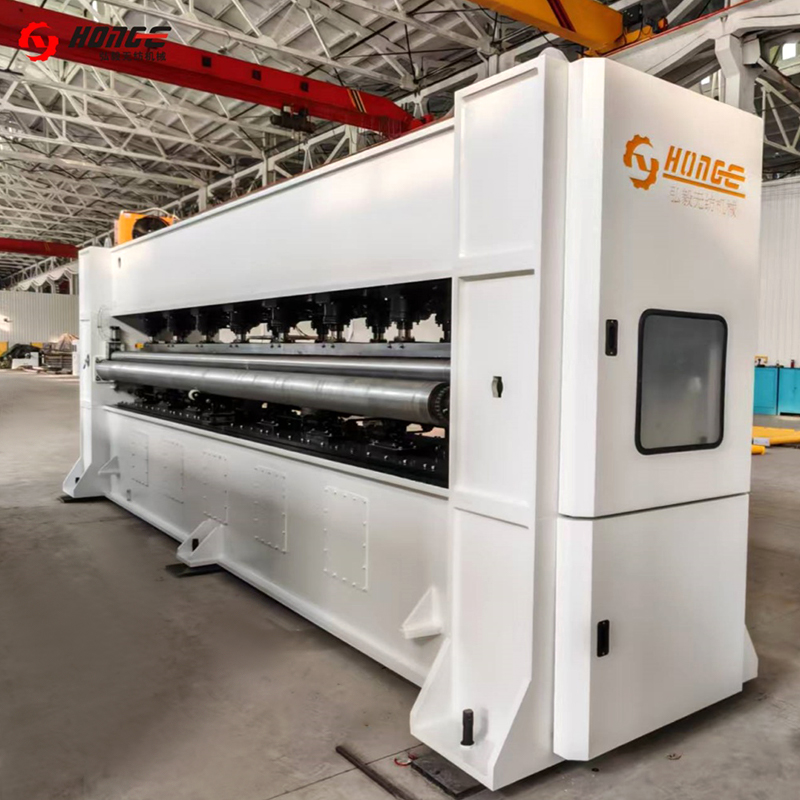 HYZC Needle Punching Machine for Nonwoven Fabric ReinforcementConfigured for nonwoven fabric reinforcement and surface finishing, with needle boards, variable stroke and speeds; relevant when needle wear and lubrication schedules drive line maintenance.View Product →
Lubrication, Tension, and Gap Settings
Mechanical settings and lubrication should be managed on a schedule, because they rarely fail loudly. Eccentric shaft and main bearing oil is typically changed between 2,000 and 4,000 operating hours depending on oil volume and ambient temperature, while grease points on the drive and stripping assemblies are usually serviced every 400 to 500 hours. A drive belt that deflects more than roughly 10 to 15 mm at mid-span is loose enough to slip under load and to create the vibration that damages needle barbs.
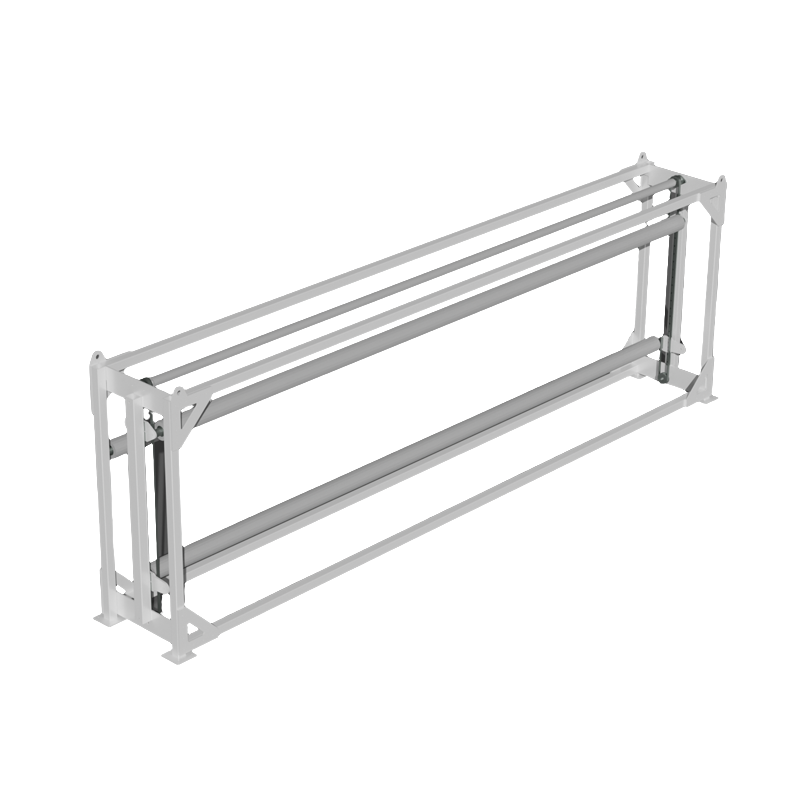
Upstream conditions matter just as much. Web tension and lapping quality from the cross lapper determine how much lateral load the needles see; an over-drafted or unevenly lapped web makes needles deflect, which shows up later as density variation across the felt width and as unexplained needle breakage. A vibrating feeder that delivers fibre unevenly has the same effect, which is why feeding stability belongs on the same maintenance checklist as the needle loom itself. If feed consistency is a recurring issue, the behaviour of a vibrating feeder in the line is worth reviewing.
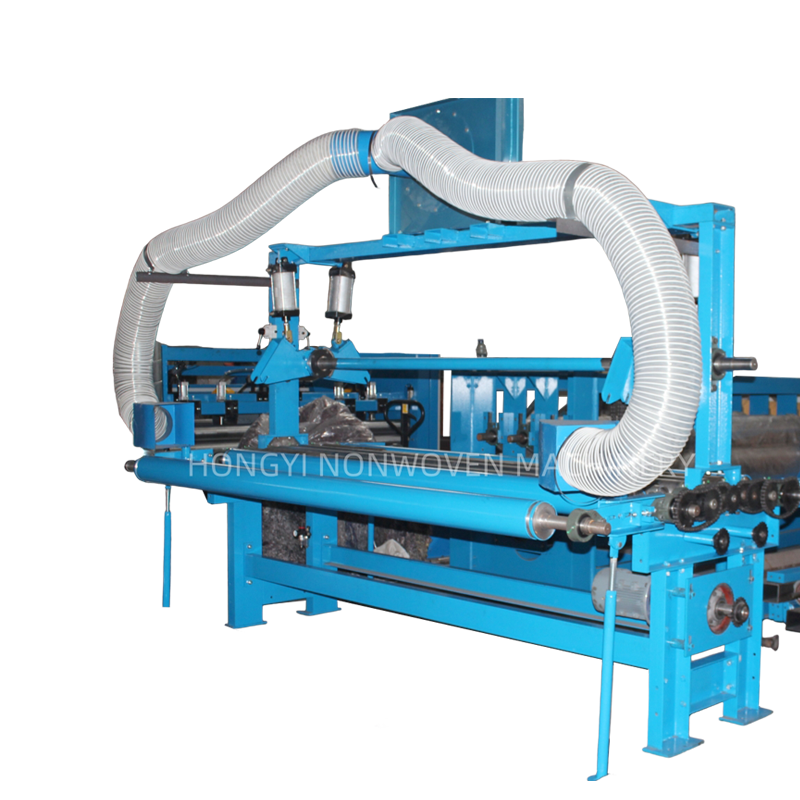
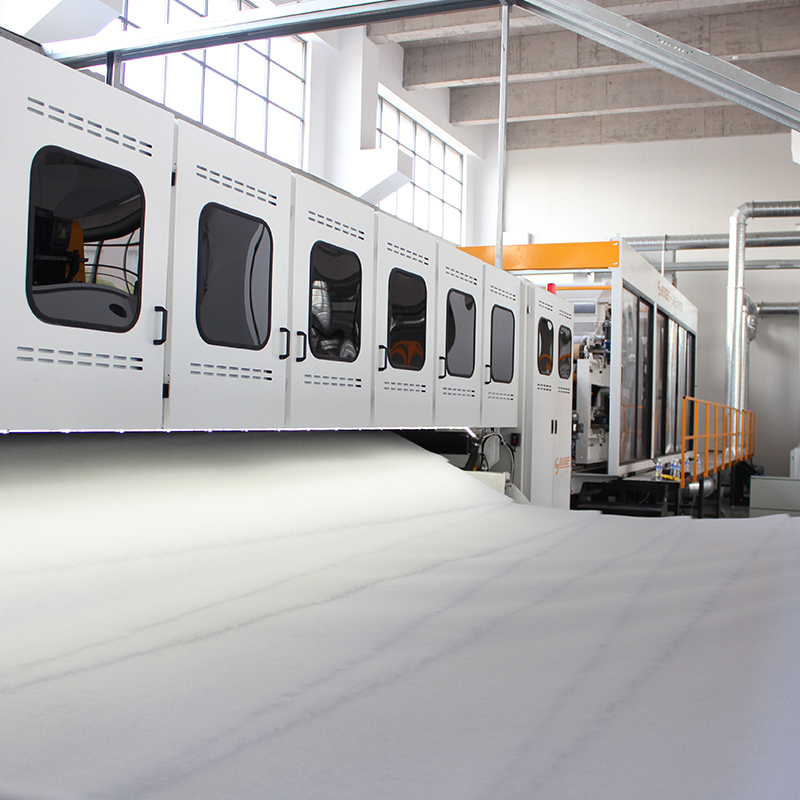 HYPW Servo-Driven Automatic Cross Lapper for Nonwoven LinesFolds and lays carded fiber webs to target width and weight before needle punching or bonding; useful when web tension, lapping quality and feed consistency affect needle load.View Product →
A Practical Maintenance Interval Plan
The plan below is a working starting point for a felt or geotextile line. Copy it, then adjust the intervals to your stroke rate, fibre type, and shift pattern.
| Interval | Task | Target or acceptance criterion |
|---|---|---|
| Each shift | Inspect needle zone, listen for abnormal noise, check broken needles | No loose or broken needles; stable noise level |
| Each shift | Verify penetration depth against the set point | Within about 0.3 mm of setting |
| Daily | Feeler-gauge check of stripper and bed plate gaps across the width | Uniform 0.2 to 0.5 mm |
| Weekly | Grease bearings, check oil level and pressure, check belt tension | Belt deflection 10 to 15 mm at mid-span |
| Monthly | Clean oil cooler and filters, drain air-line moisture traps, re-check board bolt torque | No leaks, no water carry-over, torque per manual |
| 2,000 to 4,000 h | Change eccentric shaft oil, inspect bearings and clutch clearance | Oil grade per manual; no detectable play |
Troubleshooting Common Needle Punching Faults
When something does go wrong, match the symptom to the likely cause before touching settings, because random adjustment usually hides the real problem.
- Dark stripes across the felt: almost always broken or bent needles, or a stripper plate gap that has closed. Stop the line and inspect rather than increasing tension.
- Density variation edge to edge: uneven feed, lapping faults, or a worn bed plate. Check the cross lapper and feeder before the loom.
- Rising vibration and noise: bearing wear on the eccentric shaft, an unbalanced flywheel, or loose foundation bolts.
- Fuzzy surface and fibre pull-out: penetration too deep, barbs worn, or stripping air pressure too low.
- Oil spots on the felt: over-lubrication, damaged seals, or an oil mist setting that is too rich.
- Output drop at the same stroke rate: web over-tension, blocked dust extraction, or a needle board that is overdue for replacement.
Look downstream as well. Tension between the needle loom and the winding station decides whether the finished roll stays flat, square and cleanly trimmed; a sloppy winder will undo good needle zone work within a shift.
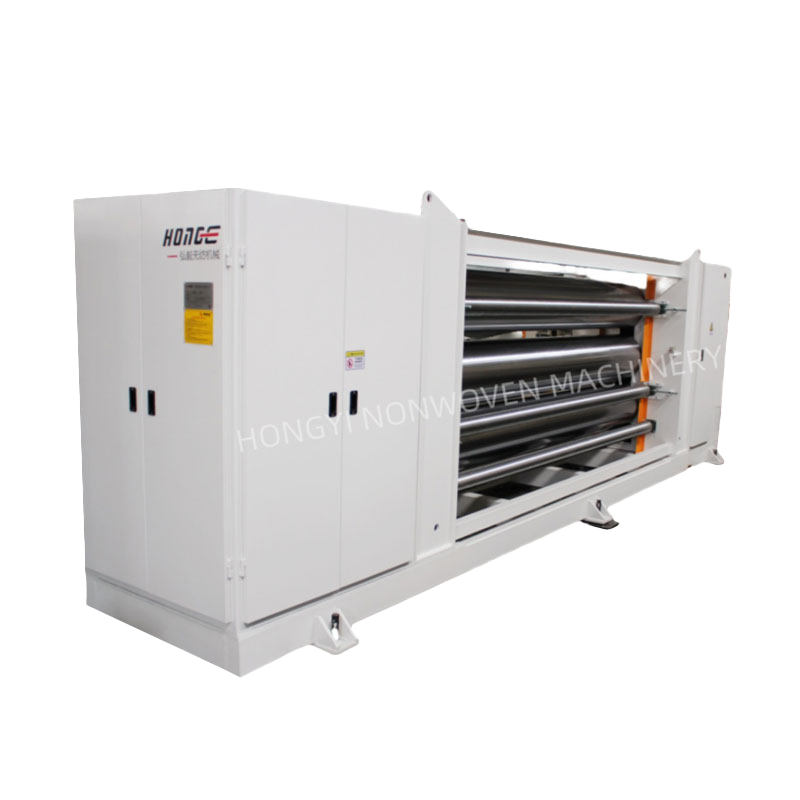
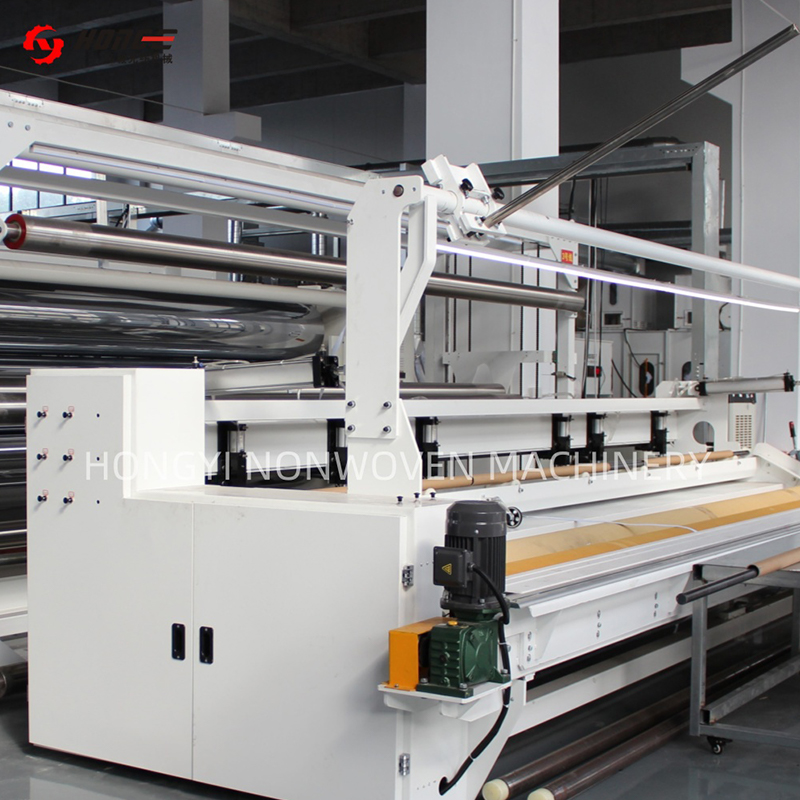 HYSJ-280 Winder and Cutter for Nonwoven Roll FinishingCross-cuts and winds nonwoven fabric to set length; downstream tension control helps keep finished rolls flat, square and cleanly trimmed after needle punching.View Product →
Spare Parts and Records Worth Keeping
Downtime is usually decided by what is on the shelf, not by how quickly a technician can be found. A sensible minimum stock for a single needle punching line includes one complete spare needle board loaded with the correct needle type, a sealed box of needles in each gauge used, stripper and bed plates, eccentric shaft bearings, drive belts, oil filters, seal kits, and a set of proximity sensors.
The records matter just as much. Track needles consumed per 1,000 operating hours, oil change dates and oil analysis results, gap measurements across the width, and the reason for every unplanned stop. After two or three months these numbers show which component is really driving your maintenance cost, and they make spare-part planning a calculation instead of a guess. As a nonwoven machinery manufacturer working with needle punching lines, the same measurement discipline that keeps a loom running also keeps a spare parts budget predictable.
Frequently Asked Questions
How often should needle boards be replaced?
Boards are replaced on condition, not on a calendar. Replace when needle holes are elongated, the board face is deformed, or repeated alignment problems appear after correct torquing. Most lines see several years of service if boards are stored flat and handled with a lifting frame.
Can the machine run with one or two broken needles?
No. A broken needle leaves a fragment that can score the bed plate and produce a visible defect line for metres. Stop the line, remove all fragments, and check the neighbouring needles for barb damage before restarting.
What causes needles to break in the first place?
In practice, four causes cover most cases: penetration depth set too deep, an over-tensioned or unevenly lapped web, a stripper plate gap that is too tight, and blunt needles that are being pushed instead of cutting through the fibre.
Needle punching maintenance is not complicated, but it is unforgiving of skipped checks. Fix the five shift-level inspections, hold penetration depth and plate gaps to measured values, keep lubrication and air supply honest, and write everything down. Do that, and the dark line across the felt becomes something you catch on a checklist instead of something you discover on a stopped line.