

Content
- 1 What Neps Actually Are and Why They Form
- 2 Start Upstream: Fiber Opening and Blending Quality
- 3 Feeding Equipment: The Step Most Operators Underestimate
- 4 Carding Machine Settings That Directly Reduce Neps
- 5 A Practical Weekly Maintenance Routine
- 6 Matching Equipment to Fiber Type
- 7 Choosing Equipment That Supports Long-Term Nep Control
- 8 Frequently Asked Questions
Neps are prevented during carding by controlling three things together: how well the fiber is opened and blended before it reaches the card, how evenly the feeding equipment delivers that fiber, and how the carding wire, cylinder speed, and roller settings are maintained. Skipping any one of these three stages is the most common reason neps keep reappearing even after a carding machine has been adjusted.
What Neps Actually Are and Why They Form
A nep is a small, tangled knot of fiber that refuses to open into individual filaments. Under a web light table, neps show up as tiny dense dots that break the uniformity of the fiber web and later cause weak points, pinholes, or rough patches in the finished nonwoven roll. Neps are not created only inside the carding machine itself. In most production lines, close to 60 to 70 percent of nep-causing tangles already exist in the raw fiber before it ever reaches the card cylinder, meaning the opening and blending stage carries most of the responsibility.
Once fiber enters the carding zone, the main cylinder, worker rollers, and stripper rollers are supposed to comb these tangles apart. If the wire is dull, if the fiber arrives in an uneven mat, or if the cylinder speed does not match the fiber type, existing tangles are pushed through instead of separated, and new neps can form from fiber breakage.
Start Upstream: Fiber Opening and Blending Quality
Every nonwoven line begins with baled fiber that is compressed and often contains contamination or tightly locked tufts. A bale opener machine breaks this compressed mass into workable tufts, and the size of those tufts directly affects how many neps show up later at the card.
- Pre Opener Machine stage: reduces large bale chunks into medium tufts, removing heavy trash and dust before fine opening.
- Fine Opener Machine stage: breaks tufts down to a small, consistent size, typically under 5 to 8 grams per tuft for synthetic staple fiber, which is small enough for the carding wire to separate cleanly.
- Nonwoven big chamber blender machine: mixes fiber batches so that density, moisture, and fiber type variation is evened out across the whole lot, preventing localized clumps that turn into neps.
Skipping a proper fiber blending machine stage, or rushing fiber through opening at high throughput, is one of the most frequent root causes of chronic neps complaints on a nonwoven fabric production line.
Feeding Equipment: The Step Most Operators Underestimate
Even well-opened fiber can form neps if it is fed unevenly. A nonwoven vibrating feeder uses a spiked lattice and an evener roller to deliver a constant volume of fiber to the card mouth. If the lattice speed is mismatched with the card infeed speed, fiber piles up in some spots and thins out in others, and the piled sections are far more likely to tangle.
A nonwoven pneumatic feeder is often preferred for lighter or shorter fibers because air transport keeps the fiber loose right up to the point of feeding, rather than compressing it on a lattice belt. For recycled or reclaimed fiber, a dedicated batt feeder machine or fiber feeding machine with adjustable weighting helps because reclaimed fiber tends to already contain a higher share of short, tangled fragments that need gentler, more even handling.
An edge trim opener is also worth mentioning here: edge trims and selvage waste that get fed back into the line are usually more compact and knotted than virgin fiber, so they should pass through their own opening stage rather than being dropped straight into the main feeder hopper.
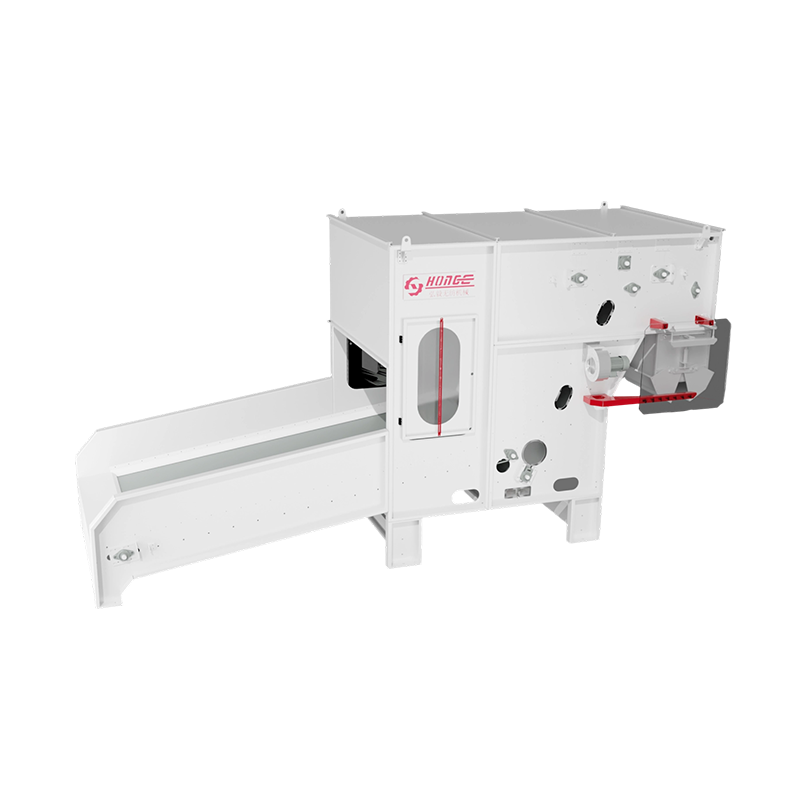
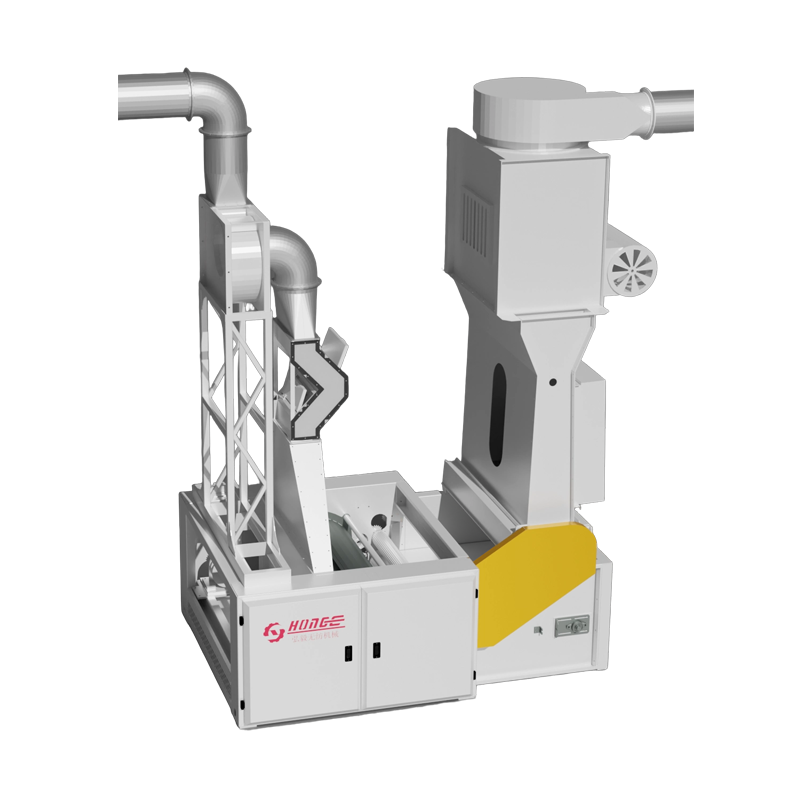
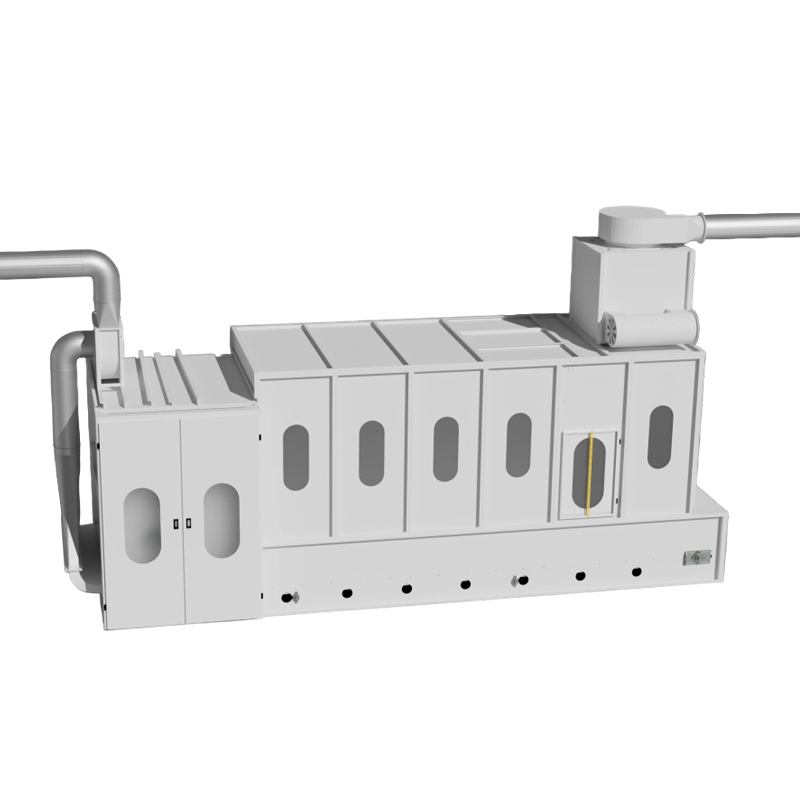
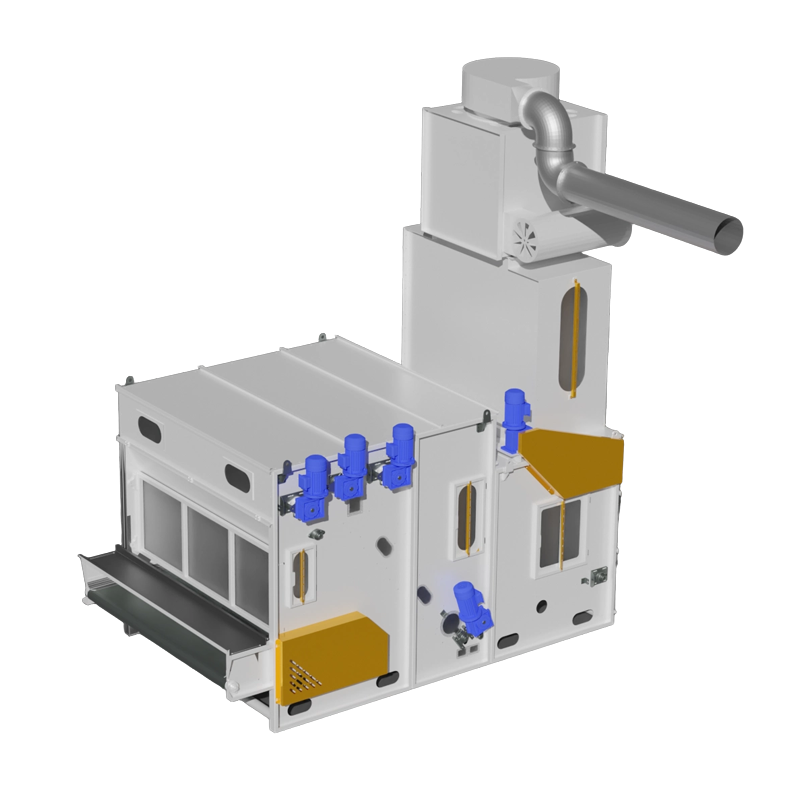
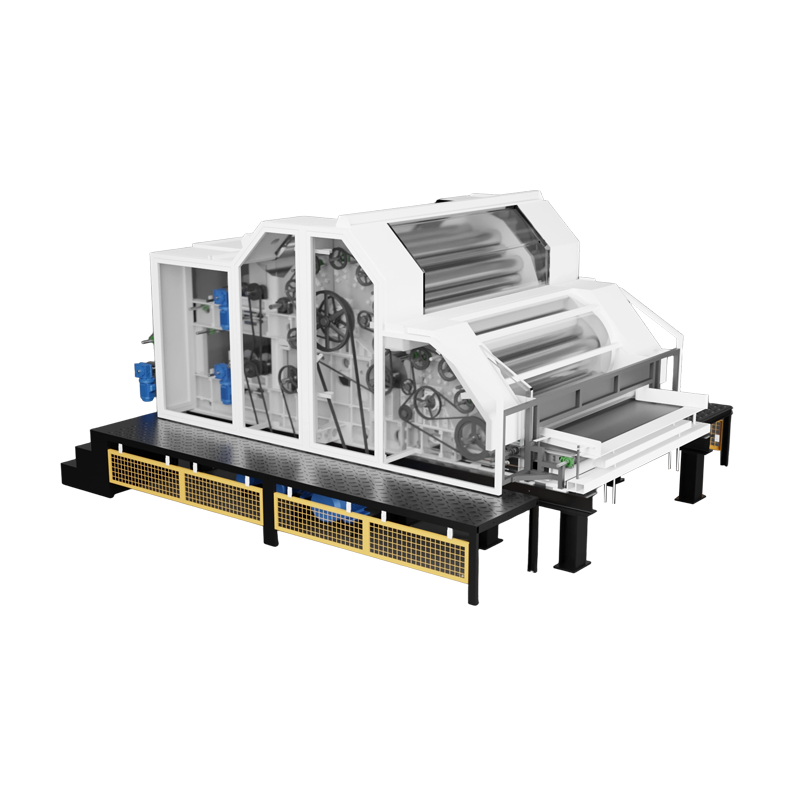
Equipment Built for Nep-Free Fiber Preparation
Each stage below plays a specific role in reducing neps before the fiber ever reaches the carding cylinder. Hongyi supplies the full line as CE certified nonwoven machinery, or as a customized nonwoven machine solution matched to your fiber type.
Carding Machine Settings That Directly Reduce Neps
Once fiber reaches a well-maintained nonwoven carding machine, three settings matter most for nep control:
| Setting | Effect on Neps | Typical Adjustment |
| Wire condition | Dull or bent wire pushes tufts through instead of combing them apart | Inspect weekly, replace every 12 to 24 months |
| Cylinder to worker roller gap | A wide gap lets tangled tufts pass without being separated | Narrow gap for fine denier or short fiber blends |
| Cylinder speed | Speed mismatched to fiber type causes breakage, which creates new neps | 20 to 40 m/min standard, up to 80 m/min on high-speed double cylinder cards |
| Feed uniformity | Uneven mat thickness overloads localized zones of the wire | Pair with an Auto Leveler for nonwoven Carding Machine |
An Auto Leveler for nonwoven Carding Machine is particularly effective here because it continuously measures the incoming mat weight and adjusts feed roller speed in real time, keeping the grams per square meter (GSM) constant even when raw fiber density varies batch to batch. This single addition often reduces nep-related rejects more than any single wire change.
A Practical Weekly Maintenance Routine
- Clean the spiked lattice and stripping rollers daily to prevent fiber wrapping that later releases as clumped tufts.
- Check carding wire teeth under magnification weekly; replace sections showing flattening or bending rather than waiting for a full changeover.
- Calibrate feeding sensors and the auto leveler monthly so GSM readings stay within the target tolerance band.
- Lubricate high-speed cylinder and roller bearings every 500 operating hours to avoid thermal friction that can distort roller alignment.
- Log nep counts per shift using a light table sample, so drift can be caught before it becomes a customer complaint.
Matching Equipment to Fiber Type
Neps prevention is never one-size-fits-all. Recycled polyester, cotton blends, and fine microfiber all react differently to the same carding wire and feed speed.
- Recycled or reclaimed fiber: favor a lower cylinder speed, tighter roller clearance, and a dedicated fiber opening and blending equipment stage before feeding, since reclaimed fiber already carries more pre-existing tangles.
- Fine denier or microfiber: a high-speed double cylinder card combined with precise Auto Leveler control keeps web uniformity excellent while limiting fiber breakage.
- Natural fibers such as cotton or wool blends: gentler feeding through a pneumatic feeder reduces mechanical stress that would otherwise compact loose fiber into knots.
Choosing Equipment That Supports Long-Term Nep Control
Because neps are influenced by every stage from bale to web, the most reliable results usually come from a matched set of machines rather than mixing equipment from different sources with inconsistent speed ratios. Changshu Hongyi Nonwoven Machinery Co., Ltd. is a nonwoven equipment supplier offering the full sequence: fiber opening and blending equipment, feeding and carding equipment, and web forming and needle punching equipment, built as CE certified nonwoven machinery with a customized nonwoven machine solution for specific fiber blends. Working with a single nonwoven machinery factory across the opening, blending, feeding, and carding stages also simplifies calibration, since roller speeds and lattice timing can be synchronized from the start rather than adjusted after installation.
Frequently Asked Questions
Can a carding machine fix neps that already exist in the raw fiber?
Partially. A well set up card can open some pre-existing tangles, but it cannot fully replace proper fiber opening and blending. Fiber that arrives already loose and evenly mixed will always card cleaner than fiber rushed through a single-stage opener.
How often should carding wire be replaced to keep neps low?
Most operations see wire life between 12 and 24 months depending on whether the fiber is natural or abrasive synthetic material, with daily cleaning and weekly inspection extending that window.
Does feeding speed matter more than carding speed for neps?
Both matter, but uneven feeding is the more common root cause. A steady, well-calibrated nonwoven vibrating feeder or pneumatic feeder prevents the overloaded zones that cause most nep formation at the card.