

Content
- 1 Five Root Causes Behind a Carding Machine That Won't Start
- 2 Electrical and Power Faults: The First Thing to Check
- 3 Safety Interlocks: The High-Frequency Fault Point That Gets Overlooked
- 4 Feeding System Blockage Causing Start-Up Failure
- 5 Drive Mechanism Jam or Insufficient Lubrication
- 6 Control Parameter and PLC Program Errors
- 7 Systematic Prevention: Daily Maintenance to Reduce Start-Up Faults
- 8 Upstream and Downstream Interlocking Must Not Be Overlooked
- 9 Why Choosing a Reliable Nonwoven Machine Manufacturer Matters
When a nonwoven carding machine cannot start or won't start, the root cause falls into one of five categories: electrical or power supply failure, safety interlock not reset, feeding system blockage, mechanical drive jam, or incorrect control parameters. Follow the sequence — electrical first, then mechanical, then process — and most faults can be located within 30 minutes.
Five Root Causes Behind a Carding Machine That Won't Start
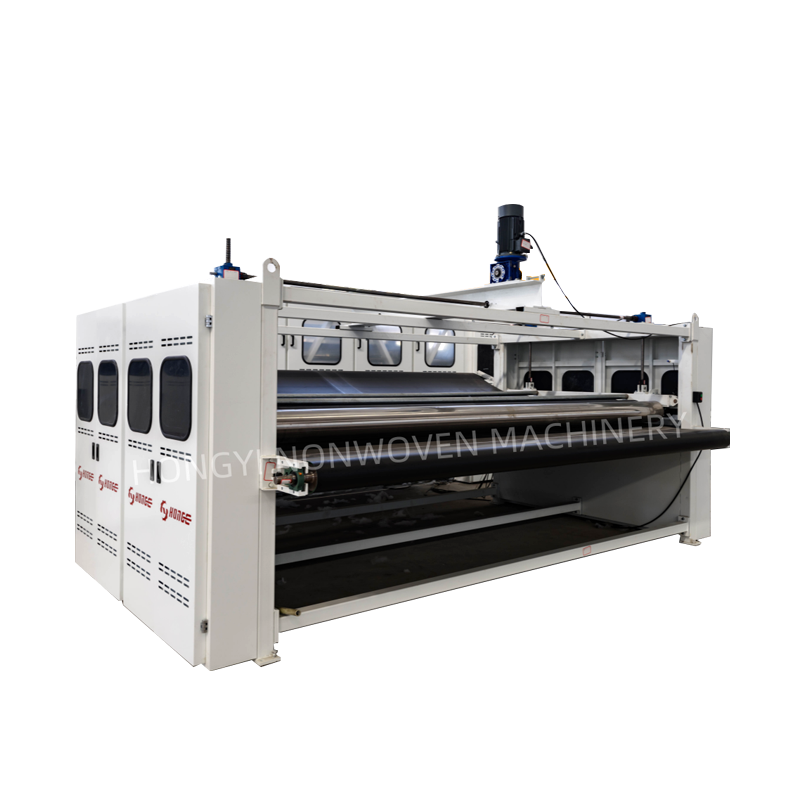
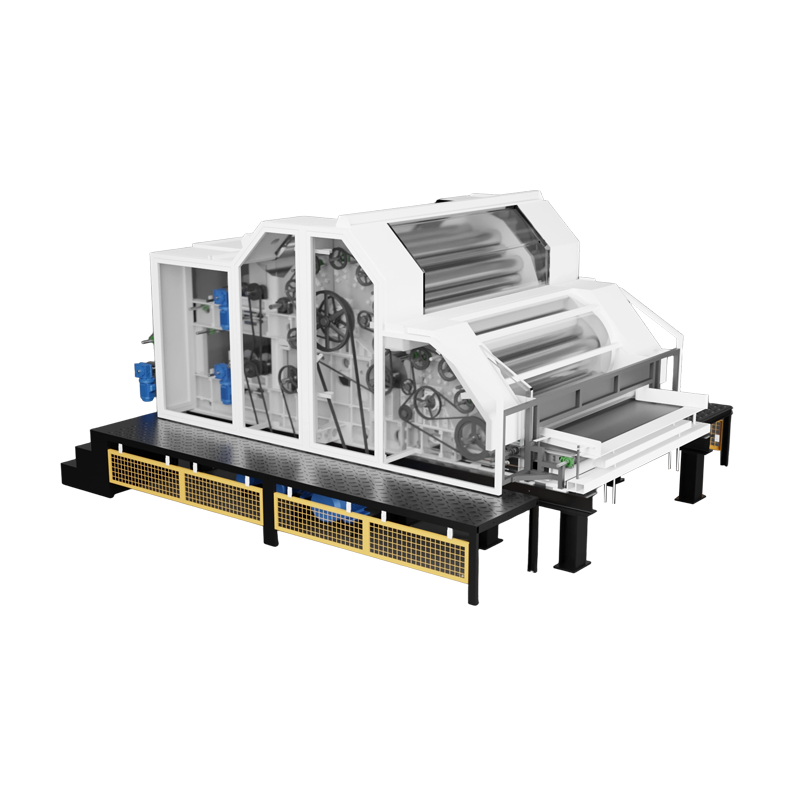
In a nonwoven production line, the nonwoven carding machine is the heart of the entire process — responsible for transforming opened and blended fibers into a uniform, consistent web ready for downstream operations such as cross-lapping or needle punching. When the carding machine cannot start, the entire nonwoven production line halts, with direct impact on output and delivery schedules.
The five fault categories below account for over 90% of carding machine start-up failures observed on production floors worldwide.
| Fault Category | Typical Symptom | Estimated Share |
|---|---|---|
| Electrical / Power Supply | Control panel dark, circuit breaker tripped | ~35% |
| Safety Interlock Not Reset | Start button pressed, no response, alarm lamp on | ~25% |
| Feeding System Blockage | Machine starts then immediately trips on overload | ~20% |
| Drive / Mechanical Jam | Motor runs but main cylinder does not rotate | ~12% |
| Control Parameter Error | Touch screen displays error code, start command ignored | ~8% |
Electrical and Power Faults: The First Thing to Check
At start-up, a carding machine simultaneously energizes the main drive motor, multiple worker-roller motors, doffer motors, and feeding-roller motors — all of which demand stable, balanced three-phase power. A missing phase, voltage deviation beyond ±10% of rated value, or a tripped main circuit breaker will prevent the machine from starting.
Follow these steps in order:
Safety Interlocks: The High-Frequency Fault Point That Gets Overlooked
CE certified nonwoven machinery is equipped with multiple safety interlocks as standard: guard cover position sensors, emergency-stop button reset, metal detection alarm reset, and feeding-roller foreign-object protection. If any single interlock signal is unsatisfied, the machine will not start.
The most common scenario on the production floor is that a maintenance technician has checked the machine but failed to fully close the transparent organic glass safety covers, or that an emergency stop button was accidentally pressed and never twist-reset. The metal detection device at the feeding-roller inlet automatically reverses the rollers for several seconds to eject metallic material and then locks the start circuit — a critical mechanism that protects the card clothing and main cylinder from damage.
Feeding System Blockage Causing Start-Up Failure
The nonwoven vibrating feeder or nonwoven pneumatic feeder delivers fibers to the carding machine at a controlled, continuous rate. If fiber clumps are oversized or the material contains excessive impurities, blockages form at the feeding-roller zone. At the moment of start-up, resistance from the blocked feeding section exceeds rated motor torque, triggering the overload protection and causing an immediate shutdown.
This type of fault is most frequent in the following situations:
- After a raw material changeover (for example, switching from virgin PET fiber to recycled fiber) without clearing residual fiber clumps from the feed path
- After extended downtime, when fibers have compacted inside the feeding channel
- When the upstream fine opener machine or pre opener machine is out of adjustment, delivering fiber that is insufficiently opened
- When residual material has accumulated at the outlet of the fiber blending machine or fiber opening and blending equipment
Drive Mechanism Jam or Insufficient Lubrication
Inside the carding machine, the main cylinder (typically 700 mm or more in diameter), breast cylinder, doffers, and each set of worker and stripper rollers must rotate in precise coordination. This demands correct bearing lubrication and dynamically balanced rollers. After prolonged downtime (more than 72 hours) or when bearing lubrication is depleted, the main cylinder may develop excessive rotational resistance that the motor cannot overcome.
CE certified carding machines include a standard emergency brake system. If the brake has not fully released, the machine will also fail to start. During inspection, verify that brake air pressure has reached its working value (typically 0.4–0.6 MPa) and manually turn the main cylinder by hand to confirm that rotational resistance is within the normal range.
Control Parameter and PLC Program Errors
Modern carding machines rely on a PLC or industrial touch screen to manage the entire sequence of operations. Speed ratios between the main drive, doffers, worker rollers, and feeding rollers must be preset before start-up. If parameters are accidentally modified by an operator or lost during a power failure, the machine's internal logic conditions will not be met and the start command will be rejected.
The auto leveler for nonwoven carding machines — integrated in high-performance models — continuously adjusts the fiber feed rate to maintain consistent web basis weight. When the auto-leveler sampling circuit develops a fault or a sensor fails, it can also trigger start-up protection.
Systematic Prevention: Daily Maintenance to Reduce Start-Up Faults
Nonwoven equipment suppliers generally recommend the following maintenance intervals:
| Maintenance Item | Recommended Interval | Key Action |
|---|---|---|
| Safety interlock functional test | Every shift | Trigger each interlock individually and confirm response |
| Feeding zone cleaning and inspection | Daily | Remove accumulated fiber; check lattice tension |
| Bearing lubrication | Weekly | Apply specified grease per the equipment manual |
| VFD parameter verification | Monthly | Compare against archived factory settings; record current values |
| Card clothing wear inspection | Quarterly | Measure wire tip height; replace clothing if below threshold |
| Electrical insulation test | Every 6 months | Measure insulation resistance on main motors and control circuits |
Upstream and Downstream Interlocking Must Not Be Overlooked
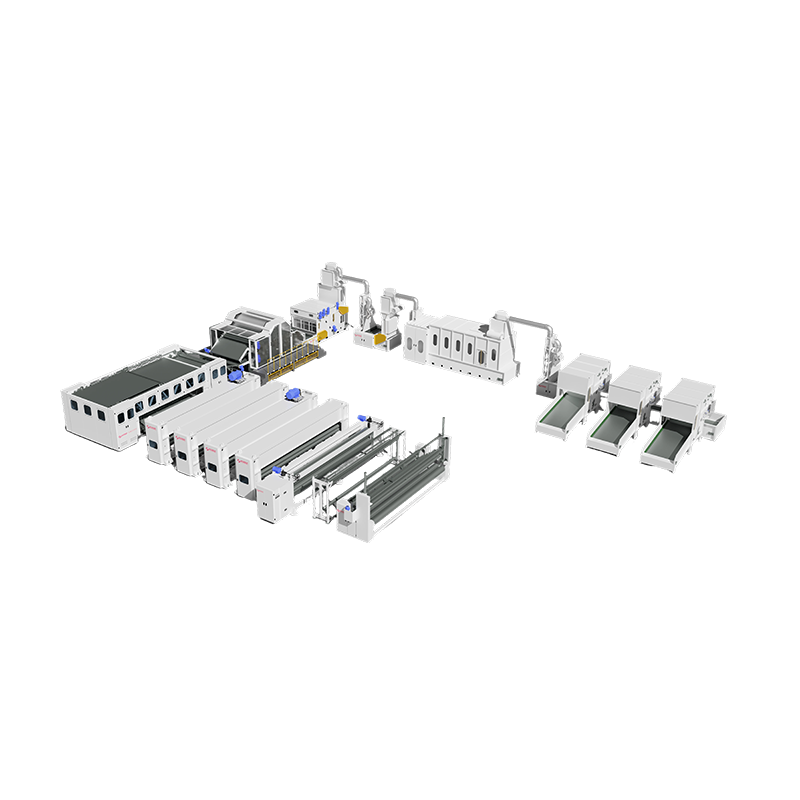
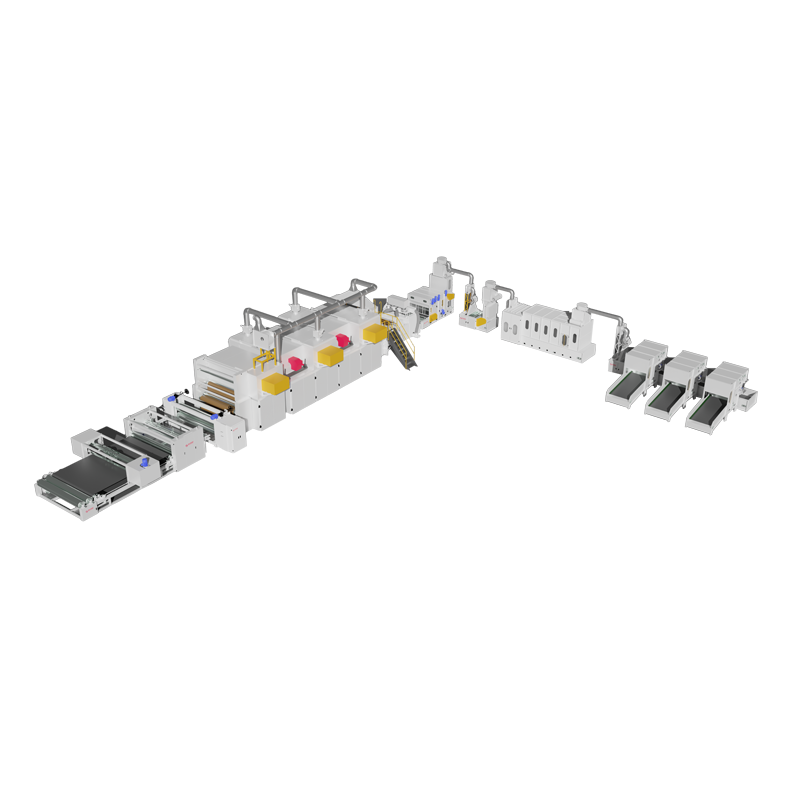
The nonwoven carding machine does not operate in isolation. The nonwoven big chamber blender machine and fine opener machine upstream, and the cross lapper machine and needle punching machine downstream, all communicate with the carding machine's control system via a data bus or I/O signals.
When a downstream machine — such as the cross lapper — trips on a fault, the carding machine controller receives a "downstream stop" signal and is interlocked against starting, preventing fiber web from piling up. Whenever a carding machine cannot start, always confirm the operational status of every machine on the entire nonwoven production line, not just the carding machine itself.
Similarly, if the nonwoven drafting machine, fiber web drafting machine, or web accumulator system for nonwoven fabric is in an alarm state, it may act as an interlock condition that blocks the carding machine from starting.
Why Choosing a Reliable Nonwoven Machine Manufacturer Matters
The long-term reliability of a carding machine depends significantly on the engineering quality and after-sales support of the nonwoven machinery factory that built it. A complete customized nonwoven machine solution should include full electrical schematic drawings, PLC program backups, a spare parts list covering key wear items, and remote diagnostic support.
Selecting a nonwoven machine manufacturer or nonwoven machinery factory with CE certification and ISO 9001 accreditation provides assurance that safety interlock design, electrical protection ratings, and drive system reliability meet internationally recognized standards — meaningfully reducing start-up fault frequency and minimizing unplanned downtime across the full nonwoven production line.